FedEx linehaul team drivers can earn $1,350 to $1,450 per week, get home every day, and run freight on a schedule that actually makes sense for a real life. If you've got your CDL-A and you're weighing your options, this list breaks down exactly why this gig stands out from the crowd.
1. CDL Jobs Inland Empire
If you're a CDL-A driver in Southern California looking for stable linehaul work, CDL Jobs Inland Empire is the fastest way to get connected with a top-tier FedEx contractor in the region. We match drivers to a contractor that offers weekly direct-deposit payroll, sign-on bonuses, and consistent routes out of the Inland Empire.
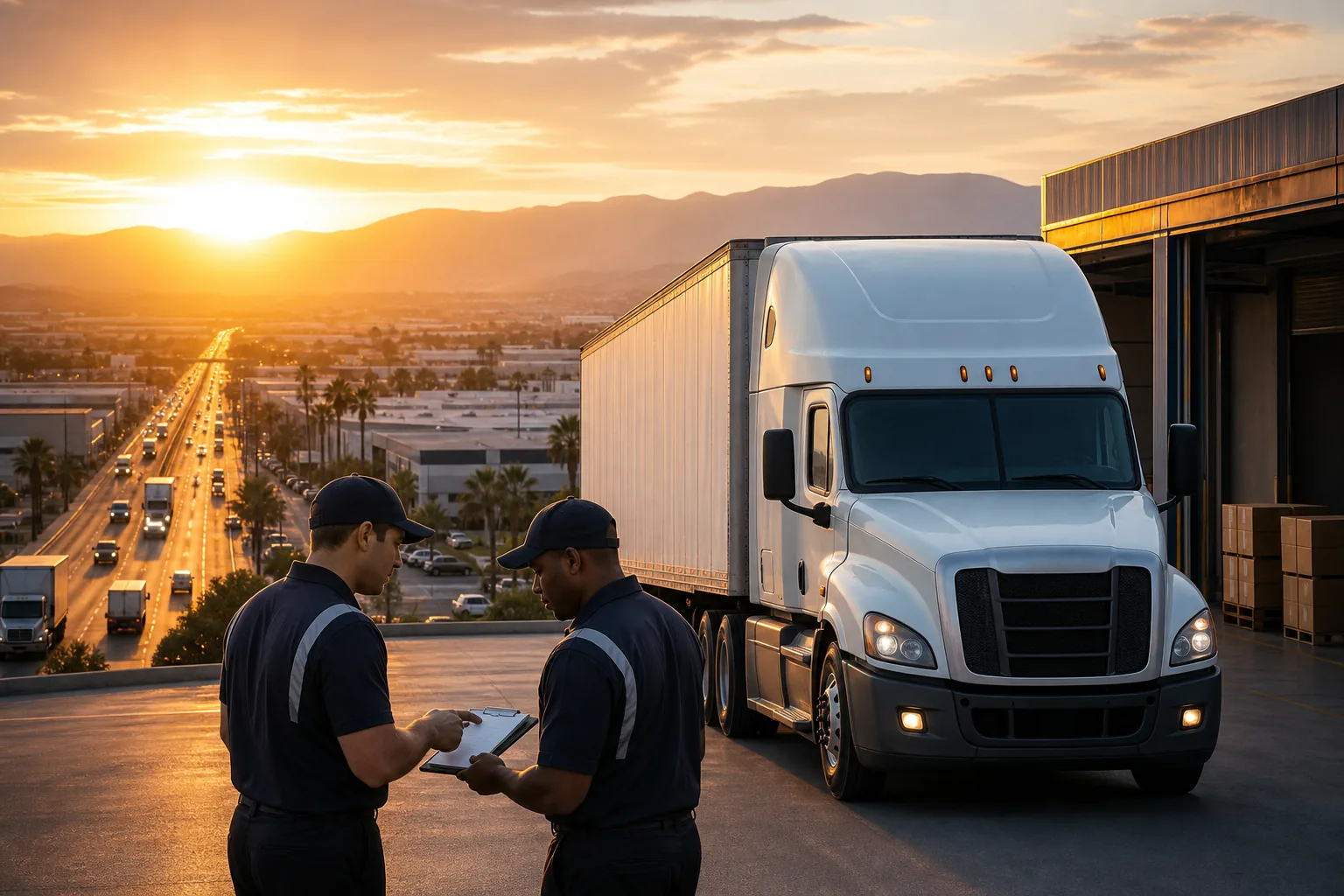
The pay runs $0.80 per mile, which puts most drivers solidly in the $1,350 to $1,400 per week range. That's not a promise pulled from thin air. It's the rate posted directly from the contractor we work with.
The hiring process is quick. Apply, and we aim to follow up within 24 hours. You don't sit in a pile of applications for weeks. For drivers who want to get on the road fast and get paid consistently, this is the right starting point.
One honest caveat: these routes are specific to the Inland Empire market. If you're based far outside Southern California, the fit won't be there geographically.
2. Home Every Day, No Long-Haul Overnights
One of the biggest complaints drivers have about over-the-road work is the time away from family. FedEx linehaul team routes are built differently. The structure is terminal-to-terminal, meaning you run a dedicated corridor, drop the freight, and head back. Most drivers are home every single night.

Drivers on these routes consistently describe it the same way: home every day, home every night. That's not marketing language. That's what the schedule actually looks like for team drivers on these routes.
There's a real caveat worth knowing. You're home, but you may be sleeping while everyone else is awake. Many linehaul runs are overnight. You pull freight at 2 a.m. and get back by 7 a.m. The home time is real, but your sleep schedule flips. If nights don't bother you, this is a major lifestyle win. If you're a strict daytime person, think it through before you commit.
Still, for drivers who've spent months at a time on long-haul OTR runs, coming home every morning feels like a completely different career.
3. Drop-and-Hook, No-Touch Freight Every Run
No lumpers. No waiting for a dock crew to unload your trailer. No touching a single box. FedEx Ground linehaul runs on a drop-and-hook model, which means you arrive at a terminal, drop the loaded trailer, hook to the next one, and go. That's it.
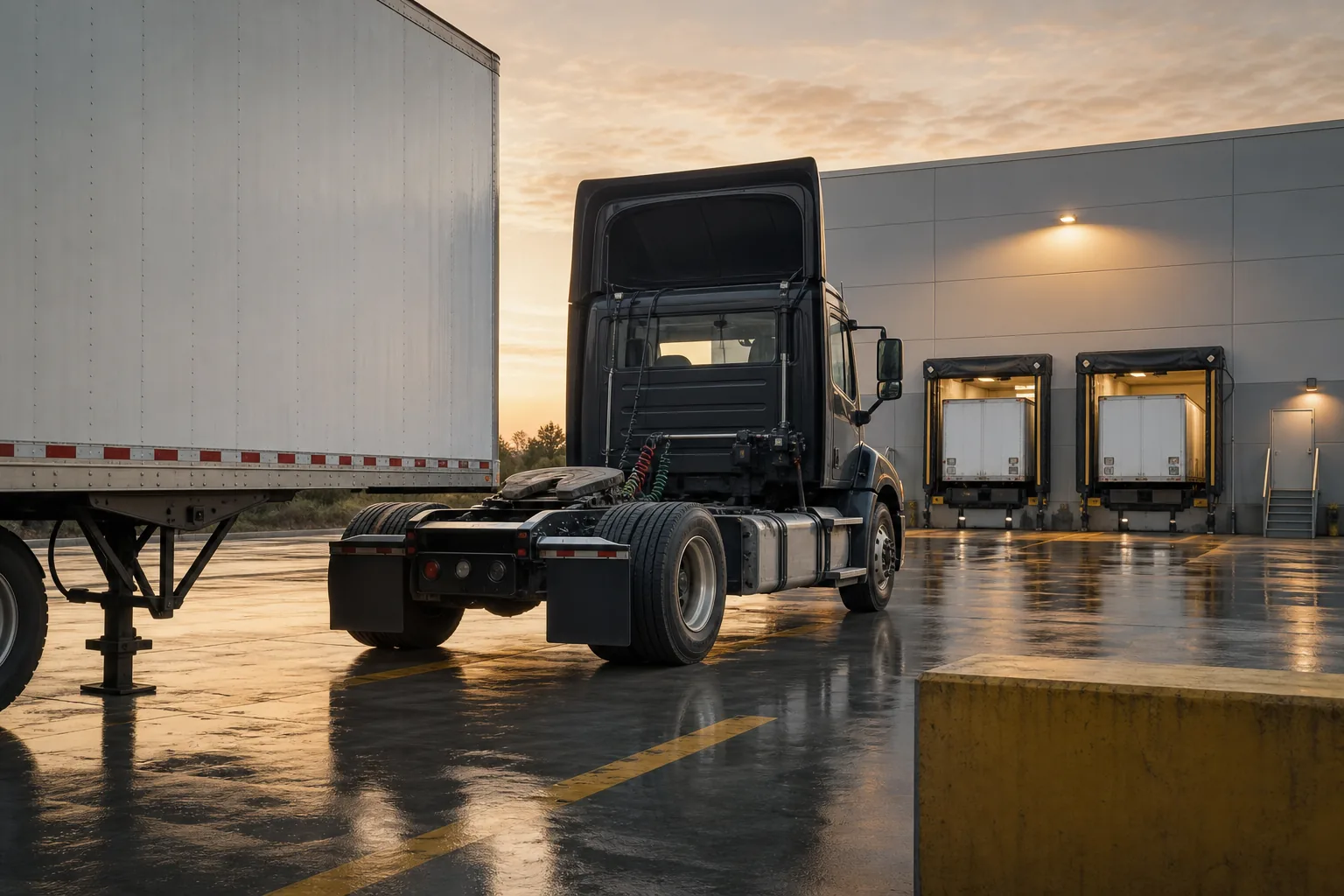
This keeps your hours predictable. You're not standing around at a receiver waiting for them to open the dock or find a forklift. The consistency of knowing your route and mileage every night makes a real difference, because there are almost no surprises built into this operation.
The no-touch nature of this freight also reduces physical wear on drivers. After a long career of loading and unloading, your body notices the difference. You drive, you drop, you hook, you go. That loop repeats cleanly.
The flip side is that this can feel repetitive over time. Some drivers love the predictability. Others find the same terminal-to-terminal run gets old after a year or two. Knowing that going in helps you set realistic expectations.
4. Monday, Friday Schedule With Weekends Off
Not every FedEx linehaul contractor offers a Monday through Friday schedule, but the best ones do. When you find that setup, it means your weekends are actually yours. No Saturday night runs, no Sunday dispatch calls.

Monday to Friday, weekends off, weekly W-2 pay with direct deposit is a confirmed offering at select contractors. For a trucking job, that schedule is genuinely hard to find. Most flatbed or OTR freight doesn't work that way.
The key word is "find." Not every contractor runs this schedule. Some run six nights a week, especially during peak season from October through December. That's when volume spikes and contractors need all available drivers. Going in with clear expectations about your schedule, and asking directly before you sign on, saves a lot of frustration later.
If a Monday-Friday setup is a priority for you, that's one of the first questions to ask when you talk to a recruiter. We build that conversation into the process at CDL Jobs Inland Empire so drivers know exactly what they're walking into.
5. Performance Bonuses and Supplemental Pay Opportunities
The base rate of $0.80 per mile is solid on its own. But there are real ways to add to that number.

Supplemental spot runs are one of them. A supplemental spot run, for example, can pay $65.40 for roughly 40 minutes of work. That kind of short run stacks on top of your regular mileage pay and can meaningfully change your weekly total without adding hours.
There's also a seasonal performance bonus in October, November, and December. Peak season is when FedEx Ground's volume climbs hard, and contractors reward drivers who show up consistently and drive clean. The exact amounts vary by contractor, but the bonus is a real part of the compensation picture for drivers who perform.
Love's and Pilot Flying J reward points are another small but real benefit. Drivers who fuel at these stops with a rewards card build up points fast. Several hundred dollars in snack, drink, and meal credits per month is not nothing on a tight budget.
6. Team Driving Means More Miles, Less Wait Time
When you run as a team, one driver sleeps while the other drives. The truck keeps moving. That's the core advantage. You cover more miles in a 24-hour window than any solo driver can legally log, which translates directly to higher weekly pay at a per-mile rate.

The FedEx Ground system is designed around this. Doubles trailers allow the network to split freight at different terminals without unloading and reloading. One trailer goes to Atlanta, another continues to Pennsylvania. A team grabs the long-haul portion, runs it overnight, and the whole system moves faster. The efficiency is built in, not bolted on.
Team driving also reduces the wait that kills solo drivers' earnings. You're not sitting at a terminal waiting for a load because the truck was parked for 10 hours. The truck stays in rotation. Less downtime means your weekly mileage stays consistent even when individual runs vary.
The honest trade-off is that you're sharing a cab with another person for hours at a time. Compatibility matters. A mismatched team can make a good-paying route feel miserable. Contractors who pair teams thoughtfully make a real difference in driver retention.
7. Light Loads and Predictable Freight Weights
FedEx Ground packages are, by nature, consumer and e-commerce goods. Shoes, electronics, clothing, household items. Not pallets of concrete or rolls of steel. Loads tend to run on the lighter side in this operation, which is consistent with the e-commerce freight profile FedEx Ground handles year-round.

There are exceptions. During peak season, loads can run heavier. But that's the outlier, not the norm. For the majority of the year, you're running light freight that doesn't stress the truck or the driver.
Light loads matter for more than just comfort. They reduce wear on tires and brake systems, which lowers maintenance costs for the contractor and keeps trucks on the road longer. Point-to-point route structures create predictable freight corridors that support consistent revenue and operational efficiency for contractors.
For drivers, predictable freight weights mean predictable handling. You learn how your truck behaves on your route. That familiarity builds confidence and reduces the mental load of each run.
8. Advanced Safety Tech, VEDR Cameras Protect Drivers
FedEx requires contractors to install Video Event Data Recorder (VEDR) cameras in every truck. The cameras face both inward and outward. A lot of drivers bristle at first hearing that. But the data tells a clearer story about why it matters.
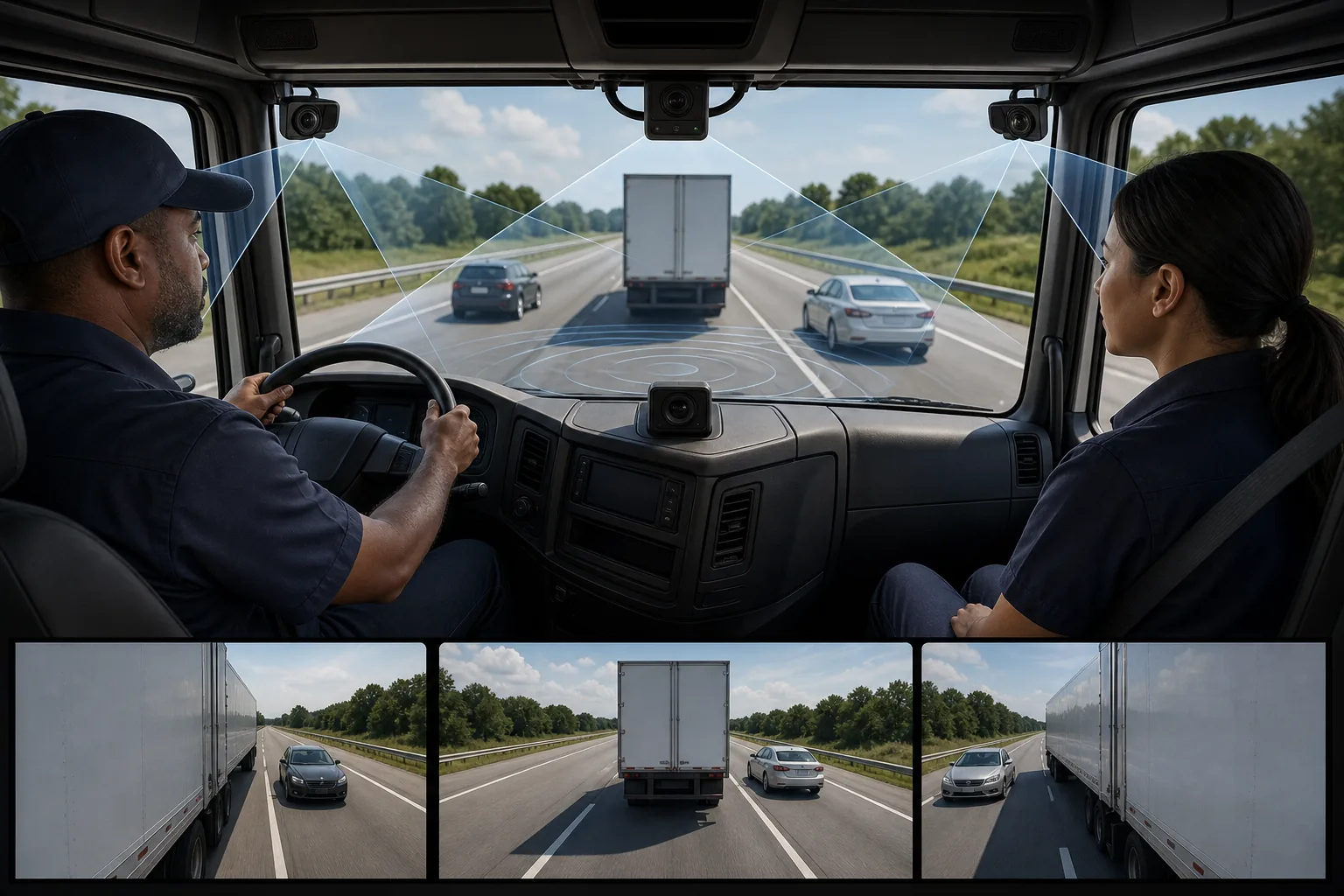
VEDR technology has contributed to a 19% reduction in accidents per million miles since 2017. Those aren't small numbers.
For drivers, the camera also works as protection. If another vehicle cuts you off and there's an incident, the footage is your best evidence. Drivers who've had false claims filed against them know exactly how valuable that footage is.
The 65 mph speed governor works the same way. It's a constraint, yes. But in a crash at 65 mph versus 80 mph, the physics are not on the side of the faster truck. FedEx's safety requirements exist because they reduce the kind of events that end careers.
9. W-2 Employment Through a FedEx-Approved Contractor
You're not an independent contractor filing a 1099 and scrambling to cover your own fuel, insurance, and truck payments. When you drive for a FedEx-approved contractor, you're a W-2 employee. Taxes are withheld. Payroll is consistent. Weekly direct deposit means you know what's coming and when.
This is a meaningful difference from owner-operator work, where a bad week of fuel prices or an unexpected repair can wipe out your profit margin entirely. As a W-2 driver, the contractor absorbs those operational costs. Your job is to drive.
The contractor model does mean you're working for a business owner, not FedEx directly. That's worth understanding. Your benefits, your schedule, and your management style all come from your contractor. FedEx sets the network rules, but the contractor sets your day-to-day experience. Choosing the right contractor matters as much as anything else in this decision.
Good contractors offer health benefits, paid time off, and stable dispatch. That's what we connect drivers to at CDL Jobs Inland Empire. We only work with contractors who treat drivers as long-term team members, not just seat-fillers.
10. A Clear Path to Career Growth and Ownership
FedEx linehaul team driving isn't just a job. For drivers who want to build something, it's a starting point. You learn the routes, the terminals, the network. You see how contractors operate. Over time, that knowledge becomes the foundation for running your own operation.
Some drivers move into fleet management roles. Others eventually buy into a contractor business or start their own after years of building relationships and savings inside the system. The FedEx Ground network gives independent contractors access to one of the largest logistics brands in the world without having to build a customer base from scratch.
Even if ownership isn't your goal, experience as a team linehaul driver builds a strong resume. The CDL skills, the doubles endorsement, the safety record, and the consistent mileage history all carry weight when you're ready to move up or move on to a higher-paying role.
The doubles endorsement is worth highlighting specifically. If you don't have it yet, get it before you apply. Most linehaul contractors require it, and it opens up more run options once you're in the system.
FedEx Linehaul Team Driver Quick-Look Comparison
This table compares the core features of FedEx linehaul team driving against typical OTR solo and local CDL work, so you can see exactly where the differences land.
| Feature | FedEx Linehaul Team (via CDL Jobs IE) | OTR Solo Driving | Local CDL Work |
|---|---|---|---|
| Weekly Pay | $1,350–$1,450 | Varies widely | Often lower |
| Home Time | Daily | Weekly or less | Daily |
| Freight Type | Drop-and-hook, no-touch | Mixed, often touch | Mixed |
| Schedule | Mon–Fri possible, nights | Irregular | Mon–Fri, days |
| Pay Structure | W-2, direct deposit | Often 1099 | W-2 typically |
| Safety Tech | VEDR cameras | Varies by carrier | Varies |
| Bonus Opportunities | Seasonal + supplemental spots | Rare | Rare |
What to Look for When Choosing a FedEx Contractor to Drive For
Not all FedEx contractors are equal. Some have been running routes for years with solid fleets and experienced dispatch. Others are newer, still working out the kinks, or may sell their routes without warning. That instability is real and worth taking seriously.
Here's what to check before you commit:
- How long have they been operating? Newer contractors carry more risk. A contractor with five or more years on the same routes is a safer bet.
- Do they offer health benefits? A W-2 position without health coverage is a gap that costs you real money.
- What's their fleet size? Bigger fleets usually mean more schedule flexibility and backup if a truck goes down.
- How do they handle dispatch and communication? Ask how you reach someone if a problem comes up at 3 a.m.
- What does the Monday, Friday schedule actually look like? Ask for specifics, not promises.
At CDL Jobs Inland Empire, we've already done this vetting for you. We connect drivers specifically with a contractor who meets these standards, so you're not walking in blind.
Frequently Asked Questions
How much do FedEx linehaul team drivers make per week?
Most FedEx linehaul team drivers earn between $1,350 and $1,450 per week based on a rate of $0.80 per mile. Drivers working a low-hours schedule of around 38 hours still see roughly $1,275 weekly. Supplemental spot runs and seasonal performance bonuses in October through December can push totals higher in strong weeks.
Do FedEx linehaul drivers get home every day?
Yes, most FedEx linehaul team drivers are home daily. The terminal-to-terminal route structure means drivers run freight to a hub and return the same night. The trade-off is that many runs operate overnight, so you're home in the morning while your family is waking up. Home time is real, but the schedule is flipped.
Do I need a doubles endorsement to drive FedEx linehaul?
Yes. Most FedEx Ground linehaul runs involve pulling doubles, so a doubles and triples endorsement on your CDL-A is required before most contractors will hire you. If you don't have it yet, getting it before you apply speeds up the process significantly and opens up more run options once you're in the system.
Is working for a FedEx contractor better than being an owner-operator?
For many drivers, yes. As a W-2 employee of a FedEx contractor, you get consistent weekly pay via direct deposit, no out-of-pocket fuel or maintenance costs, and no 1099 tax headaches. Owner-operators can earn more in good weeks but absorb all the risk of truck payments, insurance, and slow freight periods on their own.
What is drop-and-hook freight on FedEx linehaul?
Drop-and-hook means you arrive at a terminal, disconnect from your current trailer, hook up to a pre-loaded outbound trailer, and drive. You never touch the freight inside. There's no unloading, no waiting for dock crews, and no lumper coordination. It keeps your hours predictable and reduces physical wear compared to live-unload freight work.
How do I find a reputable FedEx contractor to drive for?
Look for contractors with several years of operating history, clear W-2 pay structures, health benefits, and direct dispatch support. Avoid contractors who can't give you a straight answer on schedule or mileage guarantees. CDL Jobs Inland Empire connects CDL-A drivers in Southern California directly with a vetted FedEx contractor in the Inland Empire region.
Conclusion
The combination of daily home time, consistent pay at $0.80 per mile, no-touch freight, and real safety technology makes FedEx linehaul team driving one of the stronger CDL-A opportunities available right now. The key is landing with the right contractor. If you're in Southern California and ready to get started, apply through CDL Jobs Inland Empire and we'll follow up within 24 hours to get you moving.