Home time is the holy grail for most truck drivers. Most OTR routes keep you away for weeks, and you miss birthdays, weekends, and simple family meals. A few companies have cracked the code and promise you can be home almost every week. In this list we look at the picks that actually deliver that promise, how they do it, and why you should care.
You’ll see which carrier gives the most reliable home time, how regional routes can give daily returns, why team driving can double your weeks at home, and what safety tricks make the promise real. Let’s start.
1. Newman Logistics , The FedEx Contractor Leading in Home Time
Newman Logistics is a FedEx linehaul contractor that focuses on weekly home time for its drivers. The company builds schedules so you miss only two to three weekends a year, a rarity in OTR trucking. That promise comes from a strict load‑planning system that keeps trips short enough to turn around quickly.
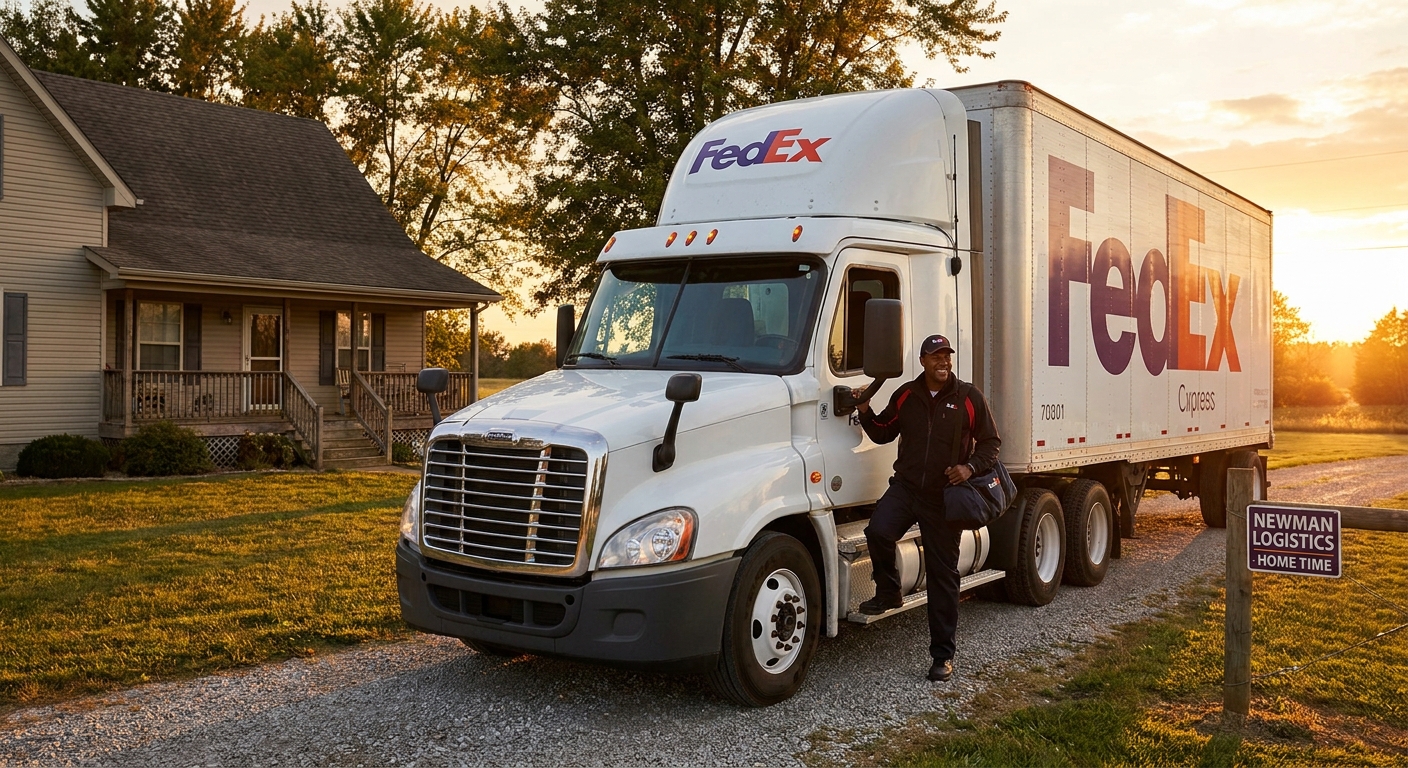
Drivers also get weekly direct‑deposit payroll, so you never wait for a month‑end check. Bonus incentives reward safety and on‑time delivery, which means you earn extra cash without extra miles. The CDL Jobs Inland Empire platform lists these benefits front and center, making it easy to apply.
Why does Newman succeed where others stumble? First, they limit the miles per run to a range that lets you return to the depot in under a week. Second, they give dispatch a clear window for each driver, so you know exactly when you’ll be home. Third, they use a transparent hiring process: the manager tells you the schedule before you sign, so there are no surprises.
Real‑world example: a driver in Riverside told us he was able to attend his son’s school play because the schedule promised him a Saturday home day. That driver also earned a $500 safety bonus after a month of accident‑free driving.
Pros:
- Consistent weekly home time
- Weekly direct‑deposit payroll
- Performance bonuses tied to safety
Cons:
- Runs are limited to a certain mileage range, which may affect pay per mile for some drivers
- Requires strict adherence to schedule, less flexibility for ad‑hoc overtime
2. Regional Routes , Best for Daily Home Time
Regional routes keep you within a defined area, usually a few hundred miles from your home base. Because the distance is shorter, you can finish a shift and be back by the evening. This model works well for drivers who want daily home time and don’t mind a tighter schedule.
The schedule often follows a “home daily” pattern where you start early, deliver loads, and return before dark. You’ll still earn a solid pay rate because you’re moving high‑value freight on short hauls.
Here’s how a typical day looks: you clock in at 5 am, pick up a load in the city, drop it off by noon, grab a second load, and be back at the depot by 6 pm. You sleep, repeat the next day, and see your family every night.
Drivers who choose regional routes get the benefit of predictable routes and less time on the road. They also avoid long‑haul fatigue, which can improve safety scores.
According to trucking industry overview, regional drivers often earn between $0.55 and $0.70 per mile, comparable to OTR rates when you factor in reduced living‑away costs.
Imagine you’re a new driver in the Inland Empire. You can pick up a regional route that starts and ends in your hometown, giving you daily evenings at home. That stability helps you keep a healthy work‑life balance.
Regional routes also let you build relationships with local shippers, which can lead to better load selection and higher pay over time.
3. Team Driving , Maximizing Home Time for Partners
Team driving pairs two drivers in the same cab. While one driver rests, the other stays behind the wheel. This lets the truck keep moving 24/7, cutting the total days out of a run by half. The result? You both get home twice as often.
Here’s a quick look at how solo and team driving compare:
| Factor | Solo Driving | Team Driving |
|---|---|---|
| Typical Out‑of‑Home Days | 10‑14 days | 5‑7 days |
| Home Time Frequency | Every 2‑3 weeks | Every week |
| Safety Record | Standard | Higher (less driver fatigue) |
| Earnings Potential | Varies by mileage | Shared, but often higher total |
Team driving works especially well for FedEx linehaul contracts like Newman’s. The company pairs drivers who sign up together, so you can plan your home days as a pair.
One driver shared that they were able to attend a wedding because the team schedule let them be home the weekend before. Both drivers earned a joint bonus for on‑time delivery, proving that teamwork can boost pay.
Tips for success:
- Communicate clearly with your partner about preferred home days.
- Keep a shared calendar for load assignments.
- Take advantage of the built‑in safety benefits: less fatigue means fewer accidents.
Team driving also gives you a built‑in support system on the road. When one driver is tired, the other can take over, keeping the truck moving safely.
4. Safety and Home Time , Why Newman's Approach Is Safer
Safety and home time go hand in hand. When drivers are home more often, they get more rest, which lowers accident risk. Newman Logistics builds safety into its schedule by limiting continuous driving hours and ensuring drivers have a clear path home each week.
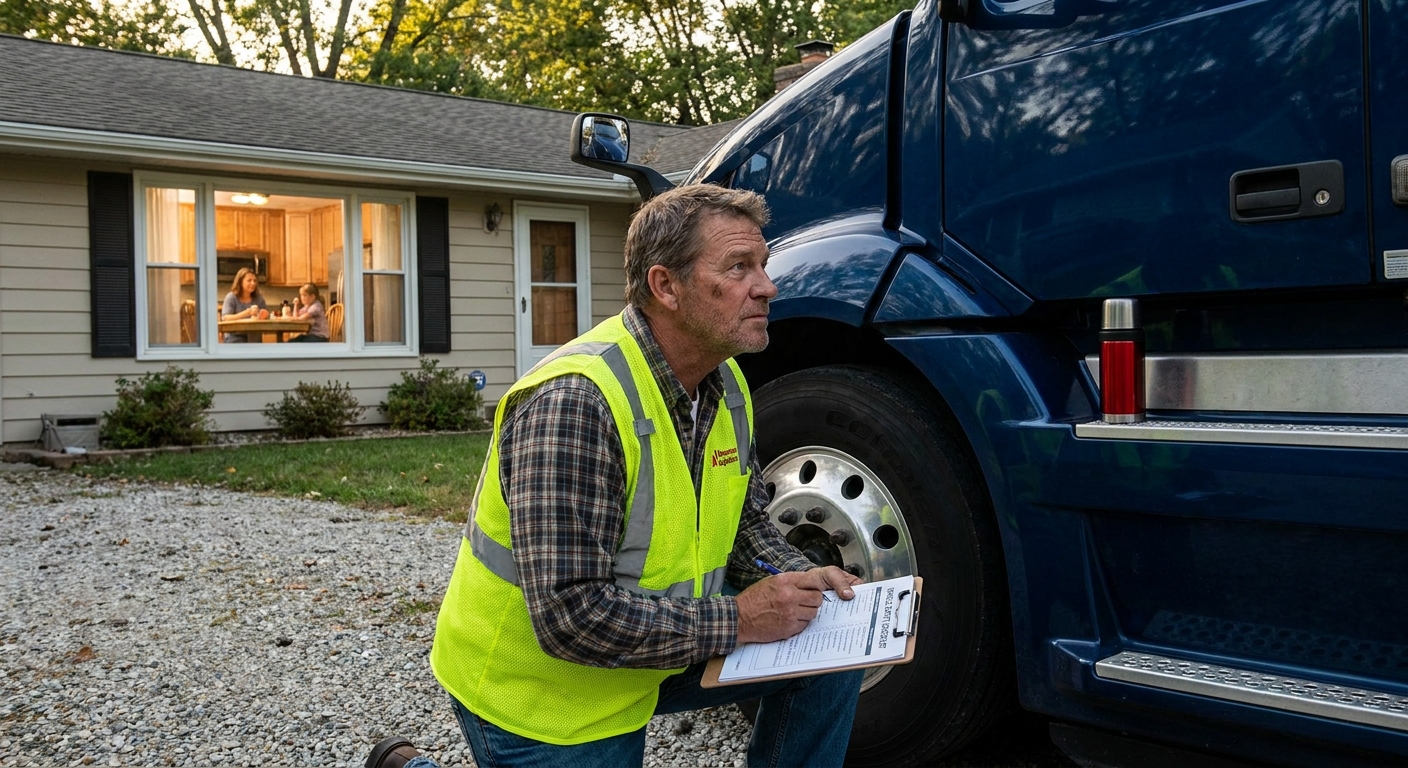
Data from the Bureau of Transportation Statistics shows that drivers who log fewer than 70 hours per week have a 15% lower crash rate than those who exceed 80 hours. Newman’s weekly home time model keeps drivers well under that threshold.
The company also runs a weekly safety briefing that reviews recent incidents, shares best practices, and reminds drivers of the importance of rest.
Because you’re home every week, you can maintain a regular sleep schedule, which improves alertness on the road. Imagine waking up at the same time each day instead of after a long haul; your reaction time improves.
Pros of Newman’s safety model:
- Reduced fatigue-related incidents
- Regular safety briefings
- Predictable schedules for better rest
Cons:
- May limit long‑haul earnings for drivers who prefer high mileage runs
- Requires strict adherence to schedule, less flexibility for extra miles
5. On‑the‑Road Activities , Making Home Time Even Better
Even when you’re on the road, you can build habits that make the time at home feel richer. Small routines can turn a long haul into a chance to learn, relax, or stay fit.
Try these ideas:
- Listen to audiobooks or podcasts that teach a skill you can use at home.
- Do a 10‑minute stretch routine at each rest stop to stay limber.
- Keep a journal of road stories; you’ll have fun sharing them with family.
Many drivers use their truck’s Wi‑Fi to take online courses. When you’re back home, you can apply that new knowledge to a side hustle or hobby.
Fuel stops can be a chance to walk around, grab fresh air, and reset your mind. A quick walk can lower stress and improve focus for the next leg.
Remember to plan your home time activities ahead. Knowing you have a dinner plan or a game night waiting can motivate you to stick to the schedule.
These habits not only improve your life at home but also make you a safer, more alert driver on the road.
Frequently Asked Questions
What defines “home time” for truck drivers?
Home time is the period a driver spends at home between work trips. It isn’t tied to weekends; it’s based on the number of days driven. Companies like Newman schedule drivers so they return home every week, giving a predictable rhythm.
How many weekends can I expect to miss with Newman?
Newman’s OTR drivers typically miss only two to three weekends a year. The schedule is set up to bring you back before the weekend starts, so you can be there for family events.
Is regional driving better for daily home time?
Regional routes keep you within a few hundred miles of your base, allowing you to finish and be home each night. This works well if you value daily evenings with family and can handle a tighter daily schedule.
Can team driving double my home time?
Yes. By pairing two drivers, the truck can run 24/7 while each driver rests. This cuts the out‑of‑home stretch in half, so you’re home twice as often as a solo driver on the same route.
How does home time affect safety?
More rest means sharper focus. Data shows drivers who stay under 70 hours a week have a lower crash rate. Weekly home time helps you reset sleep cycles, lowering fatigue‑related incidents.
Do I still get paid fairly with weekly home time?
Yes. Companies like Newman combine weekly direct‑deposit payroll with performance bonuses. You earn a steady wage plus extra cash for safety and on‑time delivery, so you don’t sacrifice pay for home time.
How do I apply for a position with Newman?
Visit the CDL Jobs Inland Empire site. Fill out the quick application, and a recruiter will contact you within 24 hours. The process takes less than 60 seconds to start.
What if I want to switch from OTR to regional?
Talk to your dispatcher. Many carriers, including Newman, allow internal moves after a probation period. Switching can give you daily home time while keeping your seniority.
Finding a trucking company that respects your time at home can change your whole life. Weekly home time means you’re there for birthdays, holidays, and simple daily moments that matter. Newman Logistics leads the pack with a schedule that brings you home every week, a solid safety record, and bonuses that reward you for doing the job right.
If you’re ready to trade endless miles for real family time, start the simple application today. The sooner you apply, the faster you’ll be on the road with a schedule that works for you.
Start your journey with a partner who values your home life as much as your miles. Join a team that puts safety, pay, and home time front and center.