Truck drivers in California see big pay gaps. Some make $0.50 per mile, while others pull $0.80 or more. The difference often comes down to the right opportunities. In this list we walk through the proven levers that can lift a Class A driver’s paycheck. You’ll learn how team driving, safety bonuses, seniority, dedicated routes, and benefits add up to a six‑figure income.
1. Team Driving with Newman, Double Your Miles, Double Your Pay
Team driving pairs two qualified CDL‑A drivers on the same rig. While one rests, the other keeps the wheels turning. That means the truck stays on the road 24 hours a day, 7 days a week. The result? You log twice the miles without doubling fatigue.
Newman, a top FedEx linehaul contractor, runs a dedicated team‑driving program. Drivers share the load, split the pay, and split the responsibilities. A typical team covers 8,000‑9,000 miles a week, which translates to roughly $6,400‑$7,200 at the $0.80‑per‑mile rate that CDL Jobs Inland Empire reports for its drivers.
Beyond raw mileage, team driving gives you a built‑in safety net. If one driver faces a delay, the partner can step in and keep the schedule intact. That reliability shows up in higher performance scores, which FedEx rewards with quarterly bonuses.
Usable steps to start a team with Newman:
- Apply through the CDL Jobs Inland Empire portal and indicate you’re interested in a team position.
- Pass the partner‑driver interview, which focuses on communication and trust.
- Complete the joint safety training session. Both drivers must demonstrate proper load securement and emergency procedures.
When the partnership clicks, you’ll see a noticeable bump in weekly earnings. Imagine turning a $1,200 solo paycheck into $2,200 by sharing the rig. That’s the power of team driving.
Team driving also reduces downtime. If you’re stuck at a rest stop, your partner can handle paperwork while you rest, then you swap roles. The continuous flow keeps your miles high and your stress low.
Driver support matters, too. As one veteran notes on SwiftTrans, "they treat me well. They don't mess with my money, which is a really good thing. I like getting paid on time, every time." Newman mirrors that support with on‑time payroll and a transparent bonus structure.
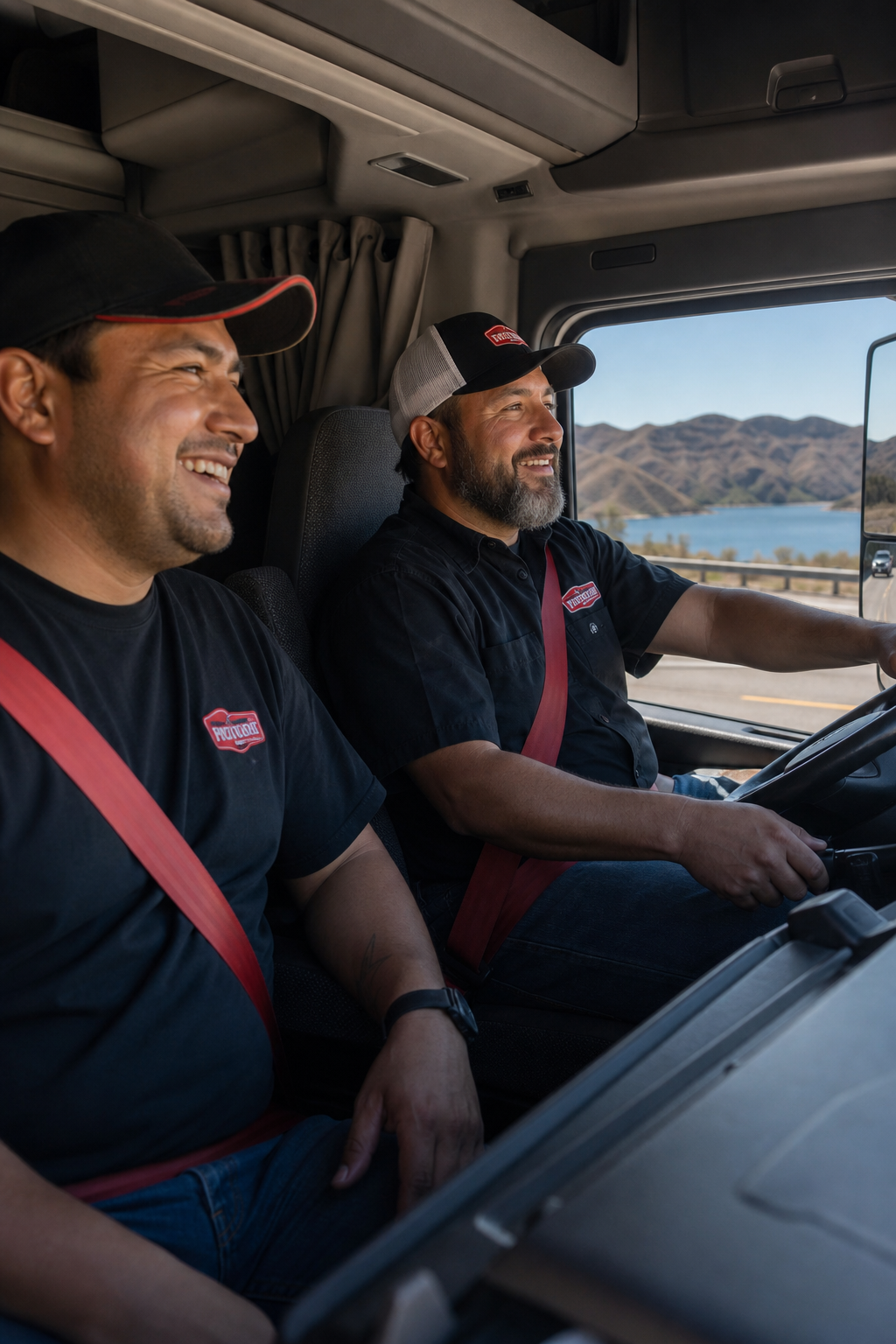
Bottom line: Team driving with Newman lets you double mileage, double pay, and halve the solo‑driver grind.
2. Safety Bonuses, Extra Cash for a Clean Record
Safety is the backbone of any trucking operation. FedEx rewards drivers who keep their record clean with monthly bonuses that can add $200‑$500 to a paycheck. Those bonuses stack on top of the base $0.80‑per‑mile rate.
The math is simple. If you drive 4,500 miles in a month, you earn $3,600 from mileage. Add a $300 safety bonus and you’re up to $3,900. Over a year, that’s $3,600 extra, a solid chunk of a six‑figure salary.
How the program works:
- Every driver starts with a baseline safety score based on violations, inspections, and incident reports.
- Maintain a score above the threshold for the month, and the bonus posts automatically.
- Exceed the threshold for three consecutive months, and you qualify for a tier‑up bonus that can reach $1,000.
To make the most of safety bonuses, follow these habits:
- Run a pre‑trip inspection every morning. Check brakes, tires, and lights.
- Use the on‑board telematics to monitor hard braking and rapid acceleration. Adjust your driving style to smooth out spikes.
- Keep a clean logbook. Accurate hours‑of‑service records prevent violations.
Drivers who treat safety as a daily habit often see their bonus grow without extra effort. It’s a win‑win: you stay out of accidents, and the company saves on insurance premiums.
Newman’s safety program also includes a quarterly recognition ceremony. Top performers receive a plaque and a $1,000 gift card. The public acknowledgment reinforces a culture where every driver watches out for each other.
And because the bonuses are paid directly with your regular payroll, there’s no tax‑season surprise, you get the full amount each month.
3. Experience Pays, How Longevity Increases Your Rate
Years behind the wheel matter. The more miles you’ve logged, the more use you have when negotiating pay. Geotab’s 2025 salary analysis shows that drivers with five or more years of experience earn on average $5,000‑$7,000 more per year than newcomers.
Why does experience command higher pay?
- Seasoned drivers know the best routes to avoid traffic snarls, saving time and fuel.
- They’ve mastered load securement, which reduces damage claims and keeps the carrier’s insurance costs low.
- Veterans handle paperwork and compliance checks faster, keeping the dispatch cycle tight.
Newman rewards seniority with a tiered per‑mile boost. After 2 years, the base rate rises from $0.80 to $0.85 per mile. After 5 years, it climbs to $0.90. That extra five cents adds up fast: at 5,000 miles a week, you earn an extra $250 weekly, $13,000 annually.
Here’s a step‑by‑step guide to turning experience into dollars:
- Log every mile in the company’s telematics system. Accurate data backs your seniority claim.
- Document any specialized endorsements you earn (hazmat, doubles, tankers). Those endorsements qualify you for higher‑pay lanes.
- Ask your dispatcher for high‑value routes that pay premium CPM rates. Use your track record as proof you can handle them.
- When it’s time for a contract renewal, present your mileage logs and safety scores. Negotiate the next tier’s per‑mile bump.
Imagine you’ve been with Newman for three years, logging 4,500 miles each week. Your base pay sits at $0.85 per mile, giving you $1,935 weekly before bonuses. Add a $300 safety bonus and you’re at $2,235. Over a year, that’s $116,000, well above the industry average.
You can see more details on our platform CDL Jobs Inland Empire. The site breaks down salary bands by experience level, letting you plan your next move.
Bottom line: Experience isn’t just a badge, it’s a paycheck multiplier.
4. Dedicated Routes, Steady Miles and Less Wasted Time
Dedicated routes assign you the same lanes week after week. That predictability cuts down on deadhead miles, the empty runs that eat profit.
Newman’s dedicated route program pairs drivers with specific freight corridors, such as Los Angeles to San Diego or Sacramento to Fresno. Drivers know exactly where they’ll be loading, unloading, and resting each day.
Why does this matter for pay?
- Fewer deadhead miles mean more billable miles per week. If you normally drive 4,500 miles with 500 deadhead, a dedicated route can push that to 5,000 billable miles.
- Consistent routes let you fine‑tune your schedule, reducing overtime and improving work‑life balance.
- Carriers often add a “route premium” of $0.05‑$0.07 per mile for dedicated lanes because of the reliability they provide.
Let’s break down a typical week on a dedicated route:
| Day | Load | Miles (Billable) | Pay @ $0.80 |
|---|---|---|---|
| Mon | LA → SD | 120 | $96 |
| Tue | SD → LA | 120 | $96 |
| Wed | LA → SF | 380 | $304 |
| Thu | SF → LA | 380 | $304 |
| Fri | LA → LV | 260 | $208 |
| Sat | LV → LA | 260 | $208 |
| Sun | Rest | — | — |
That schedule totals 1,560 billable miles, or $1,248 in mileage pay before bonuses. Add a typical safety bonus of $300 and you’re looking at $1,548 for the week.
To qualify for a dedicated route, you’ll need:
- At least one year of clean driving record.
- Experience with the specific freight type (e.g., refrigerated, flatbed).
- Positive feedback from previous dispatchers.
When you meet those criteria, talk to your recruiter about the “Dedicated Route” option. It’s often listed in the job posting under “Preferred Assignments.”
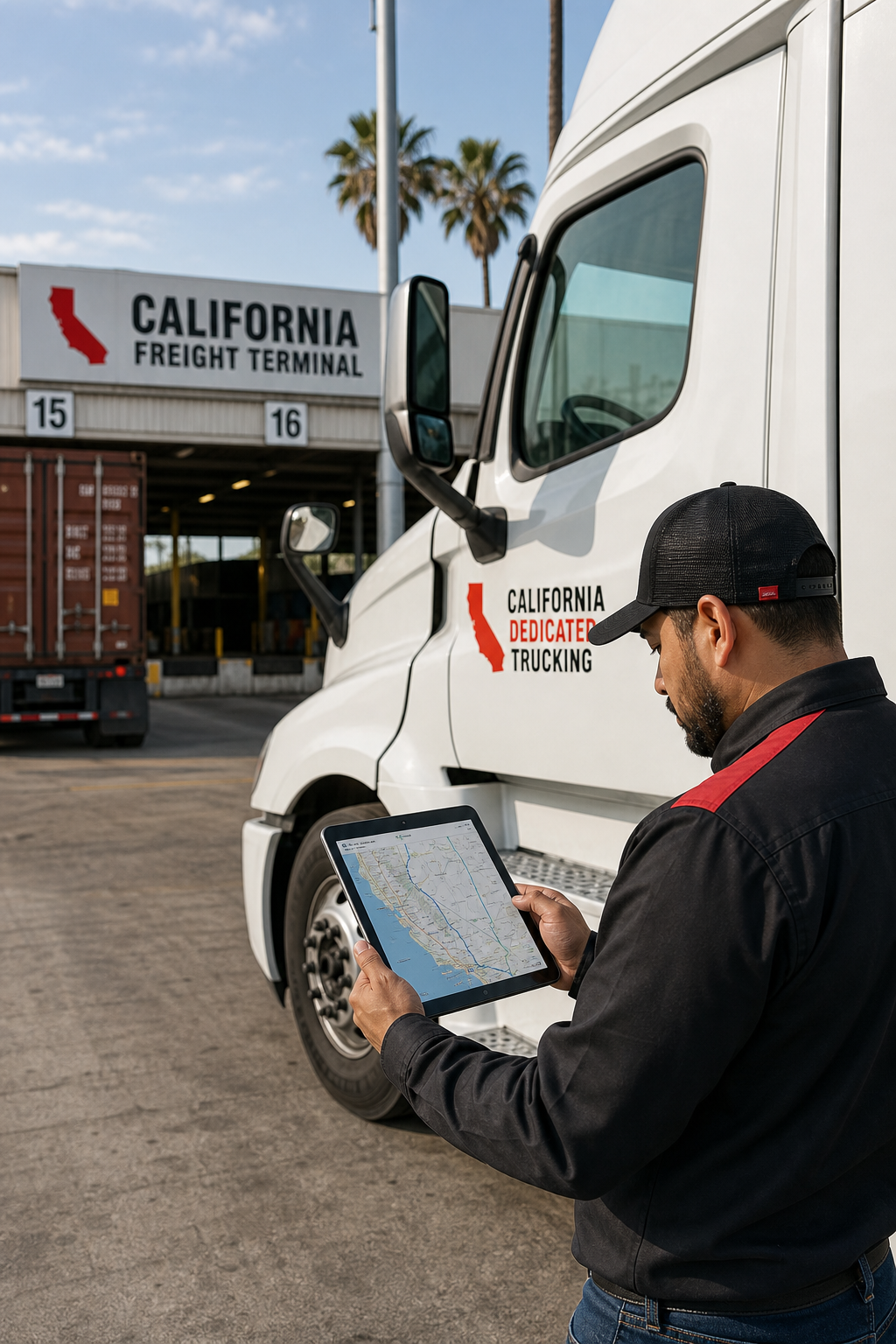
And because the route is predictable, you can plan home time more effectively. Many drivers on dedicated lanes enjoy weekly home trips, which improves overall job satisfaction.
Bottom line: If you crave consistency and want to shave off deadhead costs, ask for a dedicated lane.
5. Benefits Beyond the Paycheck, Health, Retirement, and Perks
Money matters, but benefits keep you healthy and secure for the long haul. Newman’s contract package includes a suite of perks that many company drivers miss.
Health coverage starts with a choice of three medical plans. All include prescription drug coverage and tele‑medicine visits, a lifesaver when you’re on the road and need a quick consult.
Retirement options feature a 401(k) with a 4% company match. If you contribute 5% of your salary, Newman adds another 4%, effectively boosting your take‑home by thousands over a decade.
Other perks that add real value:
- Paid time off (PTO) that accrues at 2 days per month, rolling over up to 15 days.
- Life and disability insurance at no extra cost.
- Driver‑recognition program with quarterly awards, fuel cards, and equipment upgrades.
- Well‑being stipend for gym memberships or mental‑health apps.
These benefits translate into dollars. For example, a 4% 401(k) match on a $90,000 salary adds $3,600 in retirement contributions each year. Health insurance that covers preventive care can save $1,500‑$2,000 annually in out‑of‑pocket costs.
When you compare a contractor role with an owner‑operator setup, the math is clear. Owner‑operators must fund their own insurance, retirement, and vehicle upkeep. That can eat up 30‑40% of gross revenue. A contractor like Newman shoulders those costs, letting you keep more of your paycheck.
Newman also runs a monthly “Driver Day” where you can bring your family to the hub, get a health screening, and learn about new safety tech. Those events build community and keep morale high.
Bottom line: The benefits package turns a good salary into a great total compensation package.
FAQ
What is the typical per‑mile rate for a Class A driver in California?
CDL Jobs Inland Empire lists a $0.80‑per‑mile rate for its FedEx linehaul contractors. That rate is higher than the $0.50‑$0.55 range many company drivers see, and it comes with a $2,000 sign‑on bonus and regular safety bonuses.
How does team driving affect my weekly mileage?
Team driving lets the rig run around the clock. A solo driver might log 4,500 miles a week; a team can push 8,000‑9,000 miles because one driver rests while the other drives. More miles mean more pay at the same per‑mile rate.
Can I earn a sign‑on bonus as a new driver?
Yes. New hires through CDL Jobs Inland Empire receive a $2,000 sign‑on bonus once they complete their first 30 days of clean driving. The bonus is added to the first paycheck after the probation period.
Do safety bonuses apply every month?
Safety bonuses are awarded monthly when you meet the carrier’s safety score threshold. Most drivers who keep a clean record and pass all inspections receive $200‑$500 each month, with larger bonuses for consecutive high‑performing months.
How much does seniority increase my per‑mile rate?
After two years with Newman, the base rate rises to $0.85 per mile. After five years, it reaches $0.90 per mile. That extra five cents can add $13,000‑$15,000 to an annual salary when you drive 5,000 miles weekly.
What are the advantages of dedicated routes?
Dedicated routes cut deadhead miles, add a small premium of $0.05‑$0.07 per mile, and give you a predictable schedule. Predictability means you can plan home time and reduce overtime, improving both earnings and quality of life.
Which benefits should I prioritize when evaluating a contractor?
Look for health insurance with prescription coverage, a 401(k) with a company match, paid time off, and life/disability insurance. These benefits offset personal costs and boost total compensation far beyond base pay.
Conclusion
Boosting a Class A truck driver salary in California isn’t about luck; it’s about choosing the right levers. Team driving with Newman lets you double mileage without doubling fatigue. Safety bonuses add predictable cash each month. Experience climbs the per‑mile ladder, while dedicated routes shave deadhead time and add a premium. Finally, a strong benefits package turns a solid paycheck into a secure, long‑term career.
Ready to put these strategies to work?Take the next step and apply today. A stable income, weekly direct‑deposit payroll, and performance bonuses are waiting for you.