FedEx contractors in the Inland Empire see a pay gap that many drivers miss. The numbers show a clear edge for platforms that pay per mile and add monthly safety bonuses. In this short list we break down six common CDL‑A paths, from regional runs to team driving, and point out where the highest earnings and best home time live today.
1. Newman Trucking’s Regional Routes, Work-Life Balance Redefined
Newman’s regional jobs keep you inside a 750‑mile circle around your home. That means you can expect to be back every weekend, sometimes even mid‑week. Drivers love the predictability because they can plan family events, doctor appointments, and even weekend trips without guessing when they’ll be home.
Pay for regional work sits around $0.60‑$0.70 per mile, a solid rate for a route that limits fuel costs and wear on the truck. Because the hauls are shorter, you also spend less on meals and lodging. Over a typical week of 2,500‑3,000 miles you’ll see a paycheck that matches steady mileage with low out‑of‑pocket expenses.
Newman offers several freight types on its regional lanes:
- Dry‑van loads on 53‑foot trailers
- Intermodal moves that connect rail yards
- Dedicated contracts for a single customer, giving you the same pick‑up and drop‑off points daily
Each freight type has its own rhythm, but the core benefit stays the same: you stay close to home. Imagine waking up on a Saturday, taking a quick coffee, and being back at the house by dinner. That’s the kind of routine many drivers chase.
Newman also invests in driver comfort. Their newest fleet features sleeper cabs with ergonomic seats and climate‑control that keep you rested on longer regional legs. A rested driver is a safe driver, and safety is rewarded with monthly bonuses that add up over the year.
For a deeper look at regional life at a major carrier, . It outlines how home time and freight variety play out in real‑world routes.
2. OTR Driving, Maximum Mileage and Higher Pay Potential
OTR (over‑the‑road) is the classic long‑haul adventure. Drivers cover 500‑600 miles a day, adding up to 2,500‑3,000 miles each week. The mileage translates to higher gross pay, especially when you hit $0.80 per mile on a high‑pay platform.
Because the routes cross state lines, you’ll see a mix of terrain, weather, and traffic. That variety can be exciting, but it also means you’ll be away from home for weeks at a time. Most OTR crews get one or two days home after a 10‑day stint, then they’re back on the road.
Fuel efficiency matters a lot on OTR. Modern fleet cards let you track fuel purchases and find the cheapest stations along the route. Pair that with regular maintenance checks, oil changes, tire rotations, brake inspections, to keep downtime low.
The Federal Hours of Service rules cap driving time at 11 hours after a 10‑hour off‑duty break. That rule protects you from fatigue but also limits the miles you can log each day. Knowing the rule helps you plan stops and avoid costly violations.
OTR also offers higher bonus potential. Many carriers pay per‑mile plus performance bonuses for safety and on‑time delivery. Those extra dollars can push your earnings well above the base rate.
Official guidance on hours‑of‑service comes from the U.S. Department of Transportation. Follow it to avoid penalties and stay safe.
3. Dedicated Runs, Consistent Freight and Predictable Schedules
Dedicated runs pair you with a single customer for a set route, usually within a 200‑250 mile radius. The schedule repeats day after day, so you know exactly when you’ll leave the yard and when you’ll be home.
This predictability cuts down on unexpected overtime and lets you budget fuel, meals, and wear‑and‑tear costs. Because you’re moving the same freight each day, you also build a relationship with the shipper. That relationship can lead to better loads, smoother paperwork, and occasional bonus pay.
Dedicated drivers often earn a base pay that’s a bit lower than OTR, but the lower expenses and stable mileage make the net income competitive. If you log 4,500‑5,500 miles a week on a dedicated route, you’ll see a paycheck that matches the higher mileage OTR rates without the long stretches away from home.
Equipment for dedicated runs is usually a day cab or a short‑sleep sleeper. That means you spend less time in the cab, which can be a health benefit. You also get to keep the same truck for longer, reducing the learning curve for handling the rig.
Dedicated routes are a good fit if you enjoy routine and want to limit time on the road. Think of it as a “nine‑to‑five” for truckers, steady work, steady pay, and steady home time.
Read more about the trade‑offs between OTR, regional, and dedicated driving at Hoekstra Transportation’s analysis. It breaks down mileage, home time, and pay in a clear table.
4. Team Driving, Double the Miles, Double the Earnings
Team driving pairs two licensed drivers in the same truck. While one drives, the other rests. This 24‑hour operation lets you rack up miles far beyond what a solo driver can achieve.
The biggest upside is earnings. With two drivers, you can log close to 7,000 miles a week on long hauls, and the pay per mile is often split evenly. That means each driver can see a paycheck that rivals two solo OTR salaries combined.
Team driving also improves safety. Fatigue is the number one cause of crashes, and a rested co‑driver can take over before the other gets too tired. Many carriers reward safe teams with extra bonuses, which adds to the financial upside.
On the downside, you’ll spend most nights in the cab. That can be cramped, especially on long trips. Good communication and a solid schedule for meals and rest are essential to keep morale high.
For drivers who love the road and want to maximize mileage, team driving offers the best of both worlds: high earnings and shared responsibility.
- Plan regular stops for meals and stretching
- Rotate driving duties every 4‑5 hours
- Use a shared logbook to track hours and bonuses
Team driving also aligns well with the pay structure of CDL Jobs Inland Empire, where per‑mile rates and monthly safety bonuses apply equally to solo and team crews.
5. Local Driving, Home Every Night, Steady Pay
Local drivers stay within a 100‑mile radius of their home terminal. They load and unload freight themselves, which adds a bit of physical work but also gives you control over each delivery.
The biggest perk is home every night. You finish your route by dusk, park the truck, and walk through the front door. That routine helps you keep a regular sleep schedule, eat home‑cooked meals, and stay close to family.
Pay for local work is usually lower per mile, around $0.55‑$0.65, but the reduced expenses on lodging, meals, and fuel can make the net income comparable to regional routes. Some carriers add performance bonuses for on‑time delivery or for handling heavy loads.
Because you’re on the road daily, you build strong relationships with local businesses. That rapport can lead to repeat business and smoother check‑ins at warehouses.
For a broader view of local versus regional versus OTR, see the DriveCo comparison. It outlines home time, pay ranges, and health impacts for each path.
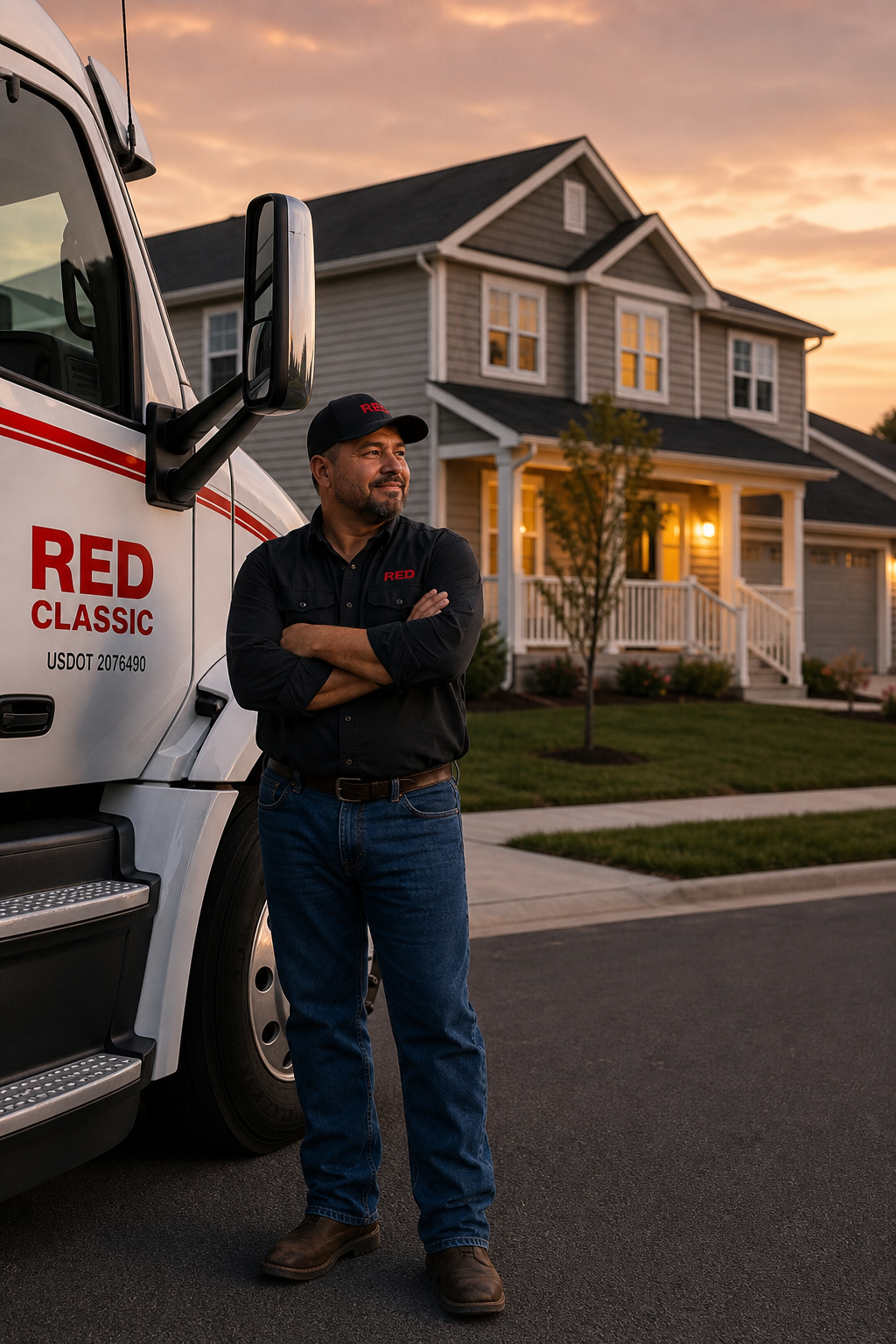
6. Working for a Contractor vs Owner‑Operator, Why Company Driving Wins
Many drivers think owning a truck means higher earnings, but the reality is more nuanced. Contractors handle the paperwork, insurance, and maintenance for you. That frees you to focus on driving and staying safe.
Owner‑operators bear all costs: truck payments, fuel, repairs, and insurance. Those expenses can eat into the per‑mile rate quickly, especially if you face an unexpected breakdown. In contrast, a contractor pays you a set per‑mile rate, often $0.80 with monthly safety bonuses, while covering the big overhead.
Safety bonuses matter. When you drive for a contractor that rewards safe behavior each month, you get a steady extra income that isn’t tied to a one‑time sign‑on bonus. It also pushes you to follow best practices, which lowers the risk of accidents.
Another advantage is access to top‑tier equipment. Contractors often lease newer trucks with better fuel economy and newer safety tech. That means lower fuel costs and fewer breakdowns.
Finally, contractors usually have a dispatch team that finds loads for you. You don’t spend hours chasing freight on load boards. The dispatch team also handles paperwork, so you get paid faster.
For the official definition of an owner‑operator and how regulations apply, see Wikipedia’s owner‑operator entry. It explains the legal responsibilities and why many drivers prefer contractor work.
FAQ
What’s the typical mileage for regional drivers?
Regional drivers usually log between 2,000 and 2,800 miles each week, staying within a 750‑mile radius of their home base. That range keeps fuel costs low and allows for regular home time on weekends.
How do OTR bonuses work?
OTR carriers often add safety and on‑time delivery bonuses on top of the base per‑mile pay. Those bonuses can be a flat amount per month or a percentage of the weekly earnings, and they are paid with the regular paycheck.
Can I switch from local to regional without losing seniority?
Most carriers let you transfer within the same company, but seniority may reset if you change the route type. Talk to your HR rep early to understand the policy and see if a lateral move is possible.
Do team drivers split the same per‑mile rate as solo drivers?
Yes. The per‑mile rate stays the same, but it’s divided between the two drivers. Because you can log more miles in a 24‑hour period, the combined earnings often exceed solo pay.
What are the main costs for an owner‑operator?
Owner‑operators cover truck payments, fuel, insurance, maintenance, and licensing fees. Those costs can add up to $2,000‑$3,000 a month, which cuts deeply into gross earnings.
How does safety bonus eligibility work?
Safety bonuses typically require a clean driving record for a set period, often 30‑60 days. You must also meet on‑time delivery targets. The bonus is added to your monthly pay slip and is not taxed differently than regular earnings.
Is home time guaranteed on regional routes?
Regional routes aim for one or more days home each week, but exact schedules can shift due to load volume or weather. Most carriers try to keep the promise, but you should confirm the specific home‑time policy when you accept a job.
Do contractors provide health benefits?
Many contractors partner with insurance providers to offer health, dental, and vision plans. These plans are often more affordable than individual policies because the cost is shared across the driver pool.
Conclusion
Choosing between regional, OTR, dedicated, team, local, or contractor work hinges on what you value most: home time, mileage, pay, or support. Regional routes give you a balanced life with regular nights at home. OTR maximizes mileage and pay but trades home time for adventure. Dedicated runs bring predictability and steady income. Team driving doubles the miles and the earnings, at the cost of sharing a cab. Local driving offers the ultimate home‑time schedule, while contractor work cushions you with higher net pay and fewer headaches.
When you stack the numbers, the CDL Jobs Inland Empire platform stands out with $0.80 per mile and monthly safety bonuses, both higher than typical regional or OTR rates. That financial edge, paired with a fast‑track hiring process, makes it the top pick for drivers who want stable income and the chance to earn more.
Take the next step today. Apply, get a direct‑deposit paycheck, and start earning the pay you deserve. Your next driving adventure is just a few clicks away.