Fuel costs chew up a big chunk of a linehaul driver’s paycheck. In the Inland Empire, a few smart habits can shave gallons off every mile. Below are five proven steps you can start using today to keep more cash in your pocket.
Step 1: Optimize Route Planning
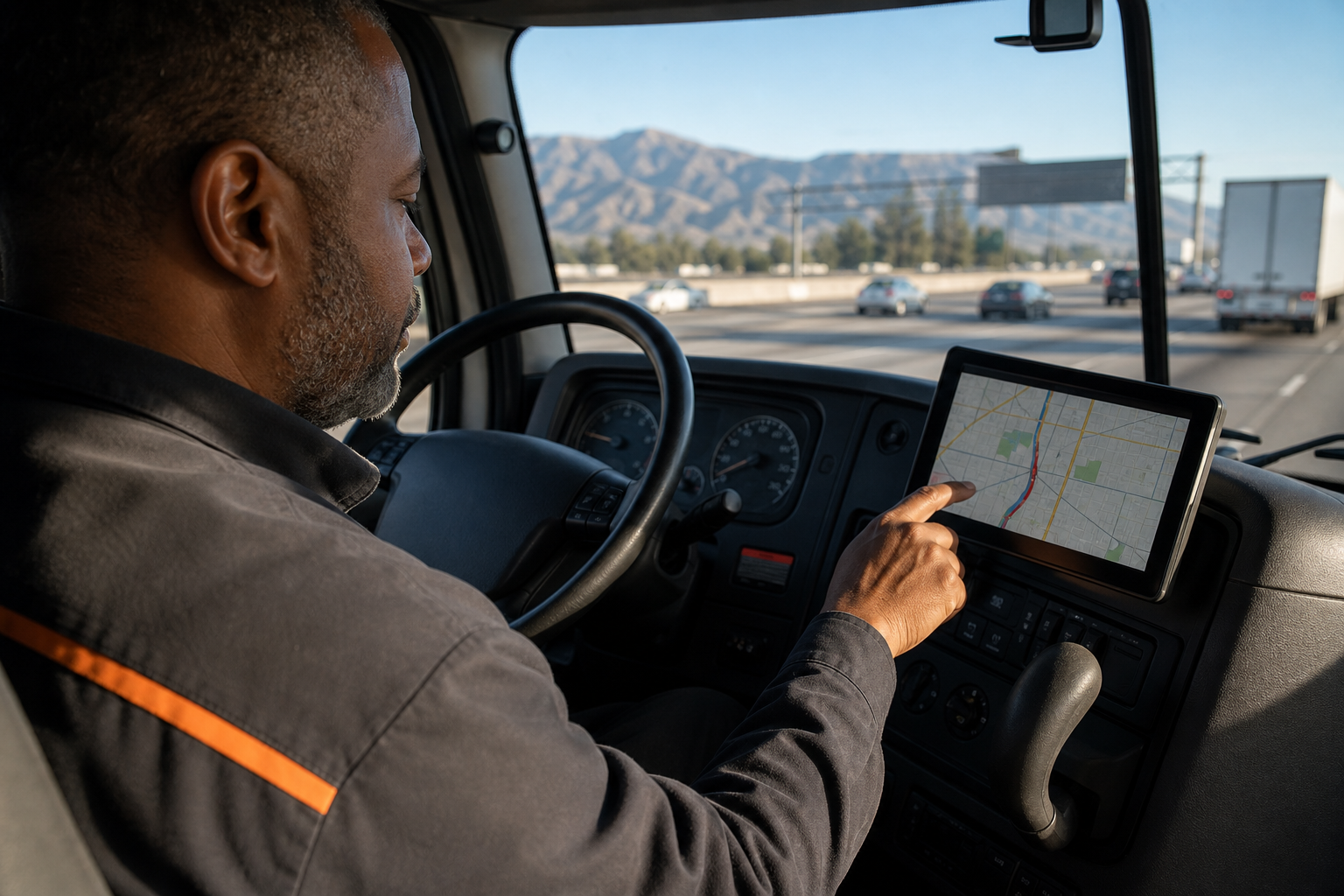
Start each shift by loading the latest route data into your GPS. Use the dispatch system to pull the most up‑to‑date stops, then run a quick “right‑truck‑right‑route” check. The idea is simple: match the truck’s weight and engine size to the terrain and distance. When the right truck hits the right route, fuel burn can drop noticeably.
Look for ways to avoid congested freeways during peak hours. In the Inland Empire, the I‑10 and CA‑60 can grind to a crawl around morning rush. Shift your departure time by 30 minutes or use alternate corridors like the CA‑71 to keep moving. A smoother flow means less idle time, and idle time is a silent fuel thief.
Combine stops that are close together. If two deliveries sit on the same street, bundle them into one pull‑in rather than two separate entries. The fewer you stop, the less you accelerate from zero, which saves fuel. Pro tip: the routing app flags “clustered” stops automatically, just accept the suggestion.
By now you should have a route that avoids jams, clusters nearby drops, and pairs the right truck to the mileage. The result is a cleaner plan that cuts fuel use before you even hit the road.
Step 2: Maintain Proper Tire Pressure
Check tire pressure at the start of each day. Under‑inflated tires create extra rolling resistance, which forces the engine to work harder. A drop in tire pressure can increase fuel consumption.
Use a digital gauge for accuracy and compare the reading to the manufacturer’s recommendation, usually printed on the door jamb. If you drive a 2023 FedEx tractor‑trailer, the spec often sits around 80 psi for the front and 75 psi for the rear.
Don’t forget the spare. A flat spare can cause uneven wear and force the driver to over‑compensate on steering, which burns extra fuel. Keep a quick‑check checklist in the cab so you can scan the numbers in under a minute.
While you’re in the cab, glance at the tire wear bars. If the tread is low, plan a rotation at the next service stop. Properly inflated and well‑worn tires keep the truck rolling smooth, and the fuel gauge will thank you.
Our partner CDL Jobs Inland Empire encourages drivers to log their pressure checks in the daily report, a habit that builds safety and saves dollars.
Step 3: Adopt Fuel‑Efficient Driving Techniques
Gentle acceleration is the cornerstone of fuel savings. Instead of flooring the pedal, press the gas just enough to keep momentum. A smooth throttle can shave 1, 2 % off fuel use per hour.
Maintain a steady speed whenever possible. The optimal range for most diesel engines sits between 55 and 65 mph. Cranking up to 75 mph spikes fuel burn dramatically. Use the cruise control on flat stretches to lock in a constant pace.
Coast into deceleration zones. When you see a stop sign or a red light, lift off the accelerator early and let the truck slow on its own. This reduces brake wear and cuts fuel spikes caused by hard braking.
Keep the engine RPMs low. Shift up early and stay in higher gears as long as the load permits. A diesel engine is most efficient at lower RPM ranges. If you hear the engine roar, you’re likely over‑revving.
By now you should have a driving style that feels relaxed but stays in the fuel‑saving sweet spot. Below is a quick visual recap.
Step 4: Use Fuel Cards and Discounts
Most FedEx contractors issue a fleet fuel card that automatically applies negotiated discounts at participating stations. Use the card for every fill‑up, it records mileage, price per gallon, and total spend in one place.
Check the card’s online portal each week. Look for any “fuel‑up‑early” promotions that lower the price by a few cents per gallon. Those small drops add up over a month of long hauls.
Don’t mix cash purchases with the card. Splitting payments can break the discount eligibility and cause the system to flag your account.
Keep receipts in the cab until the portal syncs. A missing receipt can delay reimbursement and force you to cover the cost out of pocket.
By now you should have a habit of using the card for every gallon, checking the portal for extra deals, and keeping a clean record. The net effect is a steady reduction in fuel cost per mile.
Step 5: Schedule Preventive Maintenance
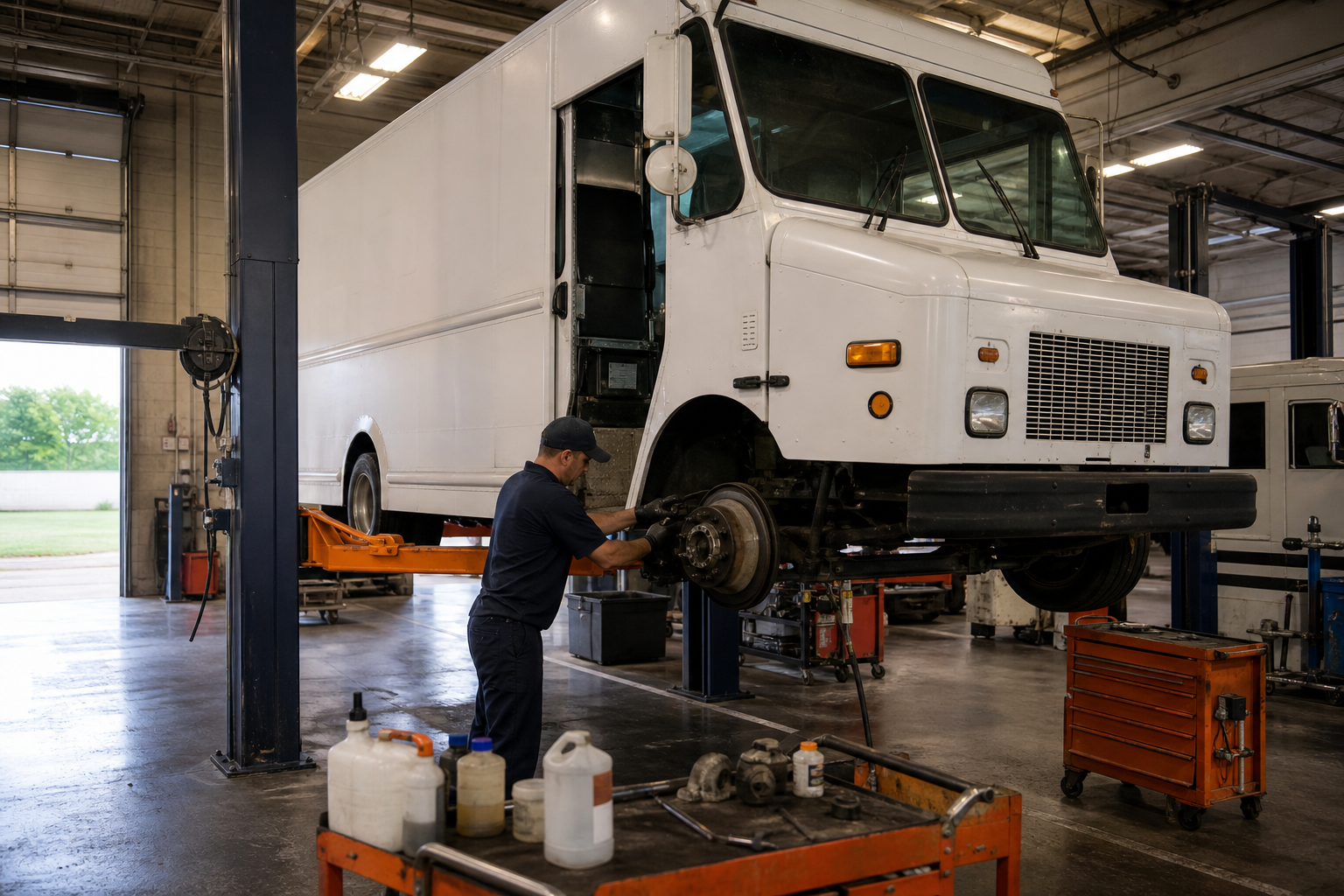
Regular maintenance stops are more than a compliance check, they keep the engine breathing easy. Follow the manufacturer’s service interval schedule, including regular oil changes and air‑filter swaps.
Watch the fuel filter. A clogged filter forces the engine to pull harder, which burns extra fuel. Replace it at the first sign of reduced flow or according to the recommended service interval.
Inspect the brake system. Worn brakes can cause the driver to ride the brakes longer, adding drag. A quick pad check at each service stop helps you avoid that hidden fuel drain.
Log each maintenance event in the fleet management app, which can warn you when the next service is due, so you never miss a window.
By now you should have a calendar of service dates, a checklist of parts to watch, and a habit of logging everything. The truck runs smoother, the engine stays clean, and fuel consumption drops.
FAQ
How much fuel can I actually save with better route planning?
When you match the right truck to the right route, fleets have seen reductions in mileage, which translates directly to fuel savings.
Do tire‑pressure checks really matter for a big truck?
Yes. Under‑inflated tires increase rolling resistance, and a drop in tire pressure can raise fuel use.
What speed range gives the best fuel economy for a diesel tractor?
The sweet spot sits between 55 and 65 mph. Staying in that band avoids the steep fuel‑burn curve that appears above 70 mph.
Can I use any fuel card, or does FedEx require a specific one?
FedEx contractors typically provide a fleet card that’s linked to negotiated discounts. Using that card for every fill‑up ensures you capture the discount and keep accurate records.
How often should I change the fuel filter?
Replace the fuel filter regularly, such as at the first sign of reduced flow or according to the vehicle’s maintenance schedule. A clean filter helps the engine run efficiently and avoids hidden fuel loss.
Conclusion
Start with route optimization, keep tires at the right pressure, drive smooth, use your fuel card, and stay on top of preventive maintenance. Those five habits together can shave a noticeable amount off your fuel bill. Take the first step today by logging into the dispatch system and mapping your next run.