So you’ve got your CDL and you’re eyeing a FedEx Ground linehaul gig, what’s the real paycheck look like, and what should you brace for? Let’s break down the money, the contractor setup, and the everyday pros and cons so you can decide if it’s the right haul for you.
In this guide we’ll walk through how the pay structure is built, what the contractor model means for your wallet, the key factors that push your earnings up or down, a day‑in‑the‑life snapshot, and proven ways to squeeze more dollars out of each mile you drive. By the end you’ll have a clear picture of the numbers and the actions you can take right now.
How FedEx Linehaul Pay Works
FedEx linehaul drivers get paid mainly on a per‑mile basis. The base rate can vary by contractor, but the most transparent example comes from CDL Jobs Inland Empire, which openly lists a $0.80‑per‑mile rate for solo drivers. When you multiply that by the miles you clock each week, the math is simple: 2,000 miles × $0.80 equals $1,600 before any bonuses or incentives.
Most contractors also guarantee a minimum mileage floor. For instance, a typical guarantee might be 1,800 paid miles for solo drivers and 4,000 paid miles for team drivers. That floor protects you from a slow week and keeps weekly earnings in a predictable range.
Beyond the base mileage, many contractors add extra pay for spot runs, detention time, and city‑spot pickups. Spot runs are short, local hauls that fill gaps between your main route. They can be paid per‑day or as a percentage of the revenue they generate, often around 30 % of the run’s gross. Detention time, when you’re forced to wait at a terminal, may also be compensated, usually at a flat hourly rate.
Safety and attendance bonuses are another piece of the puzzle. Contractors use these bonuses to reward drivers who meet safety metrics (like no accidents) and maintain perfect attendance. A typical safety bonus can be a few hundred dollars per quarter, adding a nice bump to the base pay.
It’s worth noting that overtime rules differ by vehicle weight. If your tractor‑trailer is under 10,000 lb, federal law requires overtime pay after 40 hours a week. Heavier rigs can be exempt, which some contractors use to keep payroll costs down.
All of these pieces, base mileage, guaranteed miles, spot runs, detention, and bonuses, combine to form the total weekly earnings. The average weekly pay across FedEx linehaul contractors sits around $1,624, with a range from $1,315 to $2,000 depending on location, route quality, and contractor policies.
According to Wikipedia’s FedEx Ground page, the company moves more than 1.7 billion packages each year, which translates into a massive, steady flow of linehaul freight for contractors.
And that volume is why the per‑mile model works so well: each mile you drive directly correlates to a package moved, so the math stays transparent.
The Contractor Model, What It Means for Your Paycheck
FedEx Ground does not directly hire most linehaul drivers. Instead, it contracts with independent service providers (ISPs) who own the trucks, hire the drivers, and negotiate the pay rates with FedEx. As a driver, you are an employee of the ISP, not FedEx itself.
That arrangement brings both flexibility and risk. On the upside, ISPs can tailor pay packages to local market conditions. Some offer weekly direct‑deposit payroll, performance bonuses, and even sign‑on bonuses. CDL Jobs Inland Empire, for example, offers a $2,000 sign‑on bonus that matches the top end of the weekly‑earnings spectrum reported by other contractors.
But the downside is that benefits vary widely. Many ISPs do not provide health insurance, retirement plans, or paid time off. Federal law requires benefits only for employers with 50 + employees, so smaller contractors often skip them. This can make the total compensation picture look lower than the headline mileage rate.
Contract renewal is another factor. ISP agreements typically last a few years, after which FedEx can re‑award routes to a different contractor. When that happens, your mileage guarantee or bonus structure could change overnight.
Because you’re not a FedEx employee, you also need to watch the payroll schedule. Some ISPs pay weekly, others bi‑weekly. Knowing the schedule helps you budget for rent, fuel, and insurance.
And you should keep an eye on the contractor’s safety record. A contractor with a strong safety culture will likely have lower accident rates, which can translate into fewer detentions and smoother routes for you.
For a deeper look at federal regulations that affect driver pay, the FMCSA website offers official guidance on hours‑of‑service limits and overtime rules.
In short, the contractor model means your paycheck is tied to the ISP’s policies, not FedEx’s corporate pay scale. Choose a contractor with transparent rates, solid benefits, and a good track record, and you’ll set yourself up for steady earnings.
Factors That Impact Your Earnings
Even with a clear per‑mile rate, several variables can shift your take‑home pay. Understanding these factors lets you make smarter decisions about routes, equipment, and work habits.
First, mileage volume matters. Routes that cover high‑traffic interstate corridors often generate more miles per hour, boosting your effective rate per hour. Conversely, a route that meanders through rural areas may have lower mileage density, meaning you earn less for the same time spent.
Second, equipment quality affects fuel efficiency and downtime. A well‑maintained tractor‑trailer can shave a few cents per mile off fuel costs, which adds up over thousands of miles.
Third, driver endorsements matter. Having a doubles endorsement lets you haul two trailers, which many contractors pay a higher combined per‑mile rate for. For example, a team of two drivers might split a $0.60 total per‑mile rate, giving each driver $0.30 per mile, still higher than a solo driver’s $0.50 rate on many contracts.
Fourth, fuel price volatility can erode profit margins. When diesel spikes, your net earnings drop unless your contractor offers fuel‑surcharge adjustments. Keeping an eye on local fuel prices and planning routes to minimize idle time can help you stay ahead.
Fifth, seasonal demand shifts affect load volume. Peak holiday seasons bring a surge in packages, which can translate into extra miles or higher spot‑run pay. Off‑peak months may see fewer miles, so having a guaranteed mileage floor becomes important.
Sixth, the contractor’s bonus structure can add a sizable boost. Safety bonuses, attendance bonuses, and performance incentives can each add a few hundred dollars per quarter.
| Factor | Impact on Pay | Example Action |
|---|---|---|
| Mileage Volume | Higher miles = higher gross pay | Choose routes on major interstates |
| Equipment Quality | Better fuel efficiency, less downtime | Invest in regular maintenance |
| Endorsements | Enables higher per‑mile rates for doubles | Obtain a doubles endorsement |
| Fuel Prices | Directly cuts net earnings | Plan refuel stops at low‑price stations |
| Seasonal Demand | Peaks can add extra runs | Stay flexible for overtime |
| Bonus Structure | Can add $300‑$500 per quarter | Maintain perfect safety record |
And remember, the Bureau of Labor Statistics reports that the median annual wage for heavy‑and‑tractor‑truck drivers is about $48,000, which translates to roughly $923 per week before taxes. FedEx linehaul rates typically sit above that median, especially when bonuses are factored in.
But each of these factors interacts with the others. For instance, a driver with a doubles endorsement who also manages fuel costs well can see a net boost of several hundred dollars per week compared to a solo driver on a low‑volume route.
The Day-to-Day Reality of Linehaul Driving
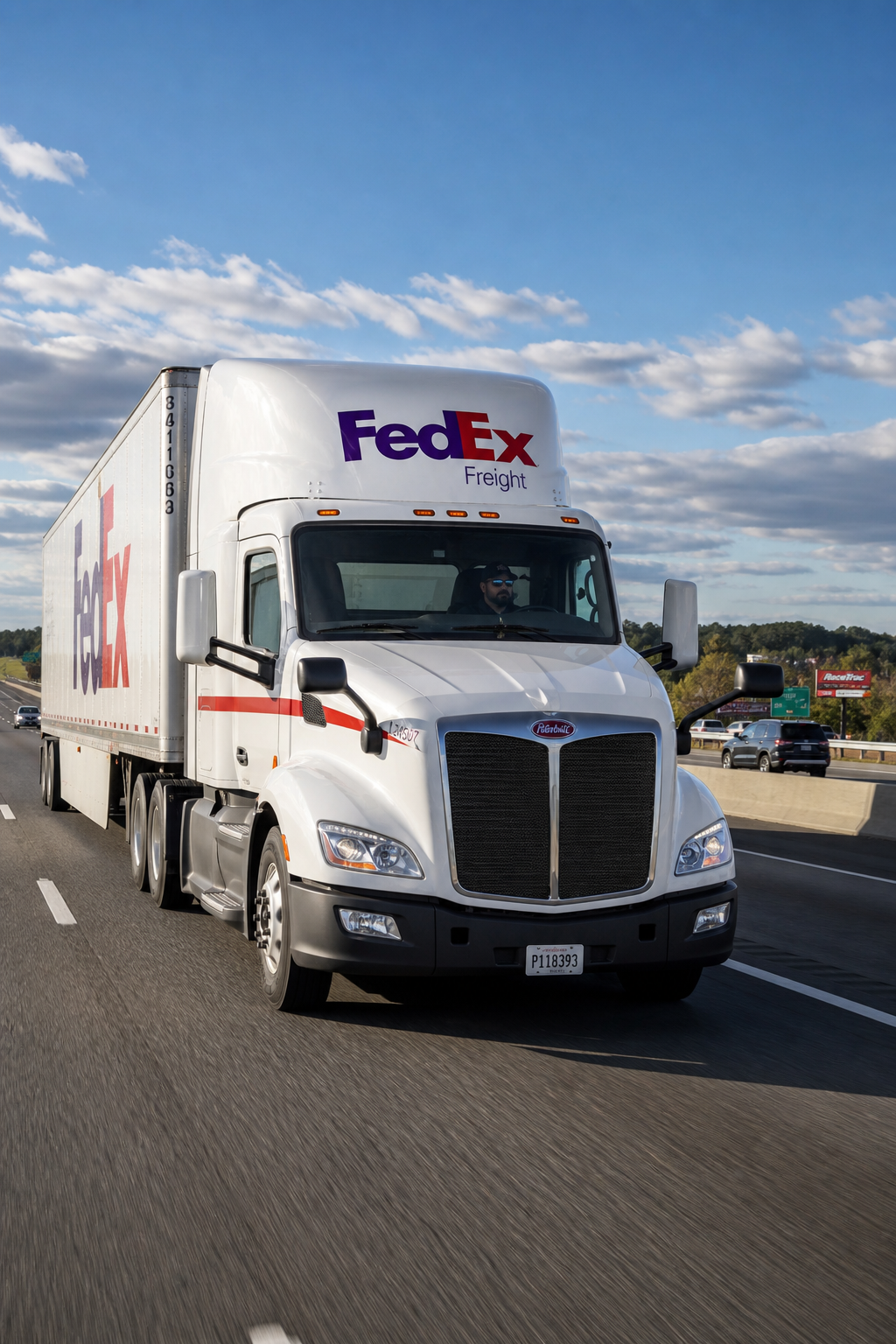
Linehaul work is a rhythm of night‑time runs, terminal stops, and brief home time. Most routes start after dusk, when traffic is light, and end early morning, giving you a few hours of sleep before the next shift.
Drivers typically report a “run” that lasts 10‑12 hours, with a few short breaks for meals and restroom stops. The bulk of that time is spent on the highway, hauling a 53‑foot trailer filled with FedEx packages. Because you’re moving from one FedEx facility to another, you rarely interact with end customers.
And the drop‑and‑hook system means you don’t load or unload the trailer yourself. At each terminal you simply hook up to the next empty trailer or drop off the loaded one. This cuts handling time but also means you’re dependent on terminal efficiency. A delayed trailer can cause you to wait, which is why many contractors pay detention time.
Home‑time varies by contractor. CDL Jobs Inland Empire promises “consistent home time between runs,” meaning you can expect a solid block of sleep each night. Some contractors, however, run routes that keep you on the road for multiple consecutive nights, especially during peak season.
Safety is a daily focus. Night driving reduces traffic but increases fatigue risk. Drivers need to monitor their alertness, use rest stops wisely, and follow federal hours‑of‑service limits (no more than 14 hours on‑duty per day and 70 hours per week).
And while the job can feel repetitive, same highways, same terminals, many drivers find a sense of freedom in the open road. You get to see different parts of the country, from desert stretches to mountain passes, all while earning a steady paycheck.
Here’s a quick snapshot of a typical night:
But keep in mind that occasional delays, weather, traffic, or terminal bottlenecks, can push those times later, so a buffer in your schedule is wise.
Overall, the day‑to‑day life of a linehaul driver blends steady mileage, limited customer interaction, and a schedule that leans heavily on night work. If you can manage fatigue and enjoy the highway, it can be a rewarding routine.
How to Maximize Your Pay as an Linehaul Driver
Boosting your earnings isn’t about working longer hours for the same rate; it’s about working smarter within the pay structure your contractor offers.
First, negotiate mileage guarantees. If a contractor offers a floor of 1,800 miles for solo drivers, see if you can raise that to 2,000 miles. The extra 200 miles at $0.80 per mile adds $160 to your weekly pay.
Second, chase city‑spot runs. These short hauls often pay a flat fee plus a per‑mile bonus. Because they’re local, you can stack a few in a night and see a noticeable bump.
Third, secure a doubles endorsement. With a doubles endorsement you can qualify for team‑driver routes that pay a higher combined per‑mile rate. Even though you split the pay, the total mileage earned per hour often rises, making your individual earnings higher.
Fourth, keep your safety record spotless. Many contractors hand out quarterly safety bonuses ranging from $200 to $500. Missing a single safety incident can cost you that extra cash.
Fifth, watch for detention pay. If you’re stuck waiting at a terminal, make sure your contractor logs that time and compensates you. Some contractors have an automatic detention rate of $25 per hour.
Sixth, consider the sign‑on bonus as part of your first‑month earnings. CDL Jobs Inland Empire’s $2,000 bonus can cover a whole week’s top‑end earnings, effectively giving you a head start.
Seventh, manage your fuel costs. Use fuel‑price apps to find the cheapest stations along your route, and keep your truck in top shape to improve fuel economy.
Here are three quick actions you can take this week:
- Ask your dispatcher about any upcoming city‑spot runs and sign up.
- Review your contract for mileage guarantees and request an increase.
- Log every detention minute in a notebook; bring it up at the next payroll review.
And remember, building a good relationship with your contractor’s fleet manager can open doors to premium routes and extra miles. Be proactive, reliable, and communicative, and you’ll often be the first driver they think of when a high‑pay run opens up.
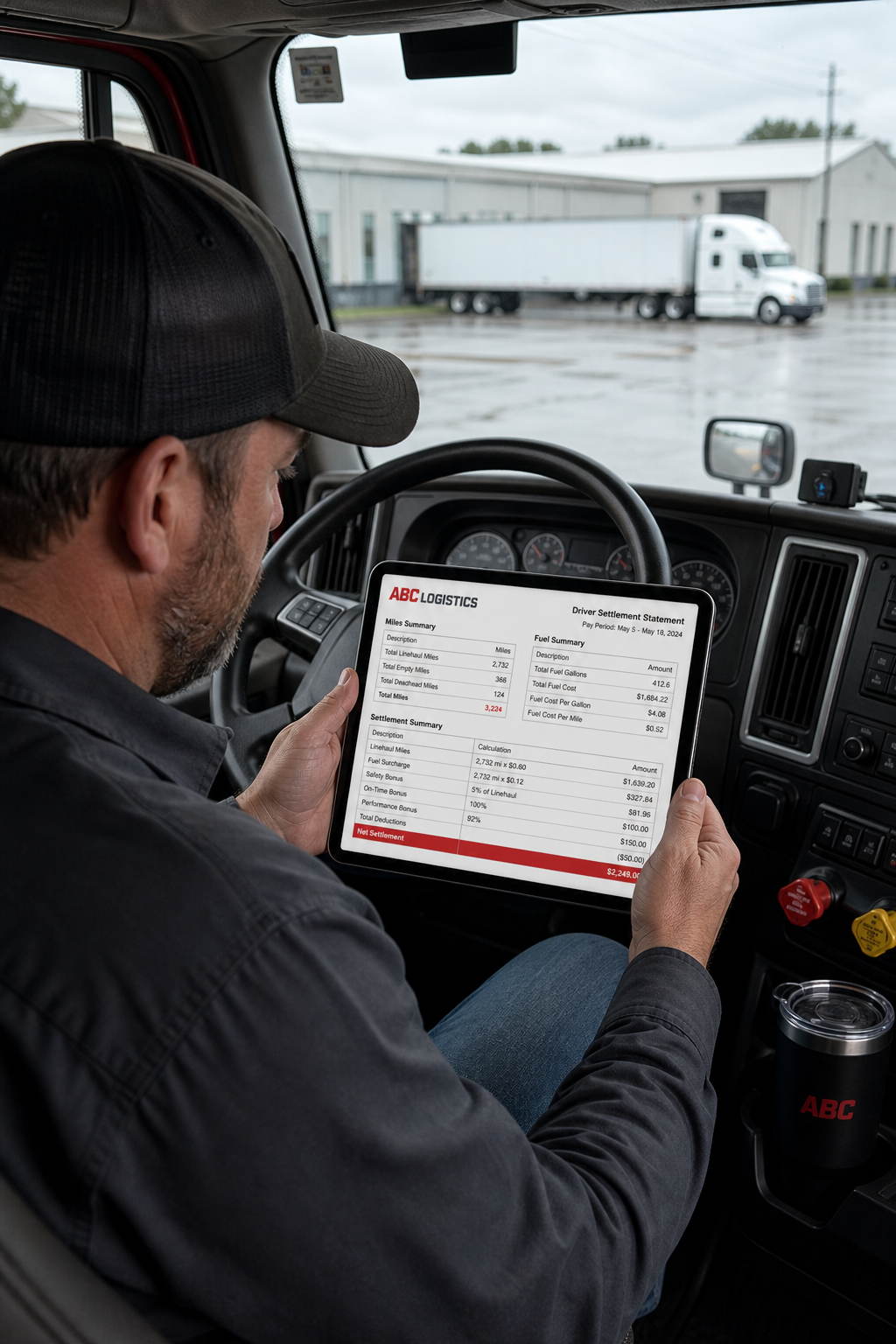
Finally, think long‑term. The more experience you log, the more likely you are to be assigned to higher‑value routes or to qualify for performance‑based pay tiers. Keep your logbook clean, stay on top of endorsements, and treat every mile as a stepping stone to a better paycheck.
FAQ
What is the typical per‑mile rate for a FedEx linehaul driver?
The base per‑mile rate varies by contractor. The most transparent public rate comes from CDL Jobs Inland Empire at $0.80 per mile for solo drivers. Team drivers often split a higher combined rate, such as $0.60 total, giving each driver $0.30 per mile. Rates can shift with market conditions, so checking your contractor’s current schedule is essential.
How does a signing bonus affect my overall earnings?
A signing bonus is a one‑time payment that can boost your first month’s earnings significantly. CDL Jobs Inland Empire offers a $2,000 signing bonus, which equals the top end of the typical weekly earnings range for linehaul drivers. It effectively gives you a full week’s pay before you even start driving, helping with upfront costs like fuel and insurance.
Do linehaul drivers get health benefits?
Benefits depend on the contractor. Larger contractors may offer health insurance, 401(k) plans, and paid time off, while smaller operators often do not. Federal law requires benefits only for employers with 50 + employees, so many independent service providers skip them. Always ask your prospective contractor about the full benefits package before signing.
What is a mileage guarantee and why does it matter?
A mileage guarantee is a minimum number of paid miles you’ll receive each week, regardless of actual load volume. For example, a contractor might guarantee 1,800 paid miles for solo drivers. This protects you from low‑volume weeks and ensures a baseline income, making budgeting easier.
Can I earn extra money through spot runs?
Yes. Spot runs are short, often local hauls that fill gaps between main routes. They can be paid per day or as a percentage of the revenue they generate, commonly around 30 % of the run’s gross. Adding a few spot runs each week can add $100‑$200 to your paycheck, especially during slower periods.
How do I qualify for a doubles endorsement?
To get a doubles endorsement, you need a clean driving record and a valid CDL‑A. You’ll also need to pass a written test and a skills test that covers coupling two trailers. Once you have the endorsement, you become eligible for higher‑pay team routes that often command premium per‑mile rates.
What are the typical hours‑of‑service limits for linehaul drivers?
The Federal Motor Carrier Safety Administration limits drivers to 14 hours on‑duty per day and 70 hours per week, with a mandatory 10‑hour off‑duty period after the 14‑hour window. Exceeding these limits can lead to penalties for both you and the contractor, so it’s important to track your hours accurately.
Is there a difference in pay between night and day routes?
Night routes often pay slightly higher per mile because they keep traffic low and meet FedEx’s next‑day delivery commitments. However, some drivers prefer daytime routes for better home‑time. Pay differentials vary by contractor; ask about night‑run premiums when evaluating offers.
Conclusion
FedEx linehaul driver pay is built on a clear per‑mile foundation, layered with mileage guarantees, bonuses, and extra‑run opportunities. The contractor model adds a level of flexibility, but also puts the onus on you to pick a partner that offers transparent rates, solid benefits, and reliable route assignments.
By understanding the pay mechanics, recognizing the factors that move the needle, like endorsements, fuel costs, and seasonal demand, and taking proactive steps to negotiate guarantees and capture spot runs, you can push your earnings toward the top of the $1,300‑$2,000 weekly range. The $0.80‑per‑mile rate and $2,000 signing bonus from CDL Jobs Inland Empire illustrate how a transparent contractor can give you a solid earnings framework right from day one.
Ready to lock in a steady paycheck and start driving with a contractor that values transparency? CDL Jobs Inland Empire offers weekly direct‑deposit payroll, performance bonuses, and the kind of home‑time consistency many drivers crave. Take the next step today and put your mileage to work for you.
- 6:00 PM, Arrive at the home terminal, hook up trailer.
- 6:30 PM, Depart for the destination terminal, settle into cruise.
- 10:00 PM, Short fuel break at a rest area.
- 2:00 AM, Arrive at the destination terminal, drop off trailer.
- 2:30 AM, Hook up an empty trailer for the return leg.
- 6:00 AM, Return home, complete paperwork, and rest.