Finding CDL A regional jobs takes more than searching for a mileage rate. You need to match the route, home-time plan, freight, and employer to your life. Use these steps to compare regional work in Southern California, check your qualifications, and apply for a stable FedEx contractor position through CDL Jobs Inland Empire.
Step 1: Define the Regional CDL-A Job That Fits Your Schedule
Start by defining what regional work means for you. A regional driver stays within a set part of the country instead of taking long national routes. The exact area can still cover several states or long highway corridors.
Local driving usually brings you home each day. Over-the-road, or OTR, work can keep you out for longer stretches. Regional work sits between those models. You may run longer lanes, then return home on a planned schedule.
Write down your limits before you answer a job ad. Ask yourself:
- How many nights can you stay out each week?
- Do you need home time on set days?
- Can you work nights, weekends, or holiday runs?
- Do you prefer solo driving or team driving?
- Do you want drop-and-hook freight, where loaded trailers are exchanged instead of unloaded?
Also ask what kind of freight the route carries. Van or truckload work may involve general freight. Dedicated work follows one customer or lane. Intermodal work moves freight between trucks, rail, and terminals. Tanker work has extra training and safety demands.
For a driver near the Inland Empire, the best fit may be a linehaul route with a repeat schedule. Linehaul means moving trailers between terminals rather than making many local delivery stops. That setup can make your day easier to plan, though night work may be part of the job.
Start your search with CDL Jobs Inland Empire if you want FedEx contractor work in Southern California. We connect CDL-A drivers with a FedEx contractor that provides linehaul work, weekly direct-deposit payroll, and bonus incentives. Review the route details before you apply so the schedule matches your home needs.

Do not judge a regional job by the word “regional” alone. One employer may mean home weekly. Another may mean several nights out with a longer reset at home. Get the exact dispatch pattern in writing.
Step 2: Confirm Your CDL-A Qualifications and Driving Record
Before applying for CDL A regional jobs, check your license status and documents. Most regional tractor-trailer positions require a valid Class A CDL. The employer may also ask about your driving history and endorsements.
If you are still working toward a California CDL, review the commercial driver license rules.
Build a clean application packet before you start sending forms. Keep these details close:
- Your CDL number and expiration date.
- The date you received your Class A CDL.
- Any restriction or endorsement on the license.
- Your recent employer and driving history.
- A clear record of tickets, crashes, or safety events.
Be accurate. An application that leaves out a major event can create a bigger problem during a background check. If you have a past issue, explain what happened in plain terms. Include the final result when you know it.
Endorsements can widen your options, but don't chase one without knowing the job need. Hazmat and tanker work may require added testing and screening. A standard linehaul position may focus more on your Class A license, medical status, and safety record.
Medical rules can also change how you submit records. Confirm the current process with the licensing agency and your medical examiner before you assume a paper form is enough.
Then check your work history for gaps. A recruiter will want to know when you drove, what equipment you used, and why a job ended. Short answers work best. Your goal is to make the review easy, not to bury the key facts.
Step 3: Evaluate Pay, Benefits, Freight, and Weekly Home Time
When you compare CDL A regional jobs, look past the headline pay. A useful offer explains how you earn money, when you get home, what freight you pull, and who pays for required work.
The word regional describes work tied to a particular part of a country or area. It does not promise one fixed distance or home-time plan. Ask for the actual lane map or route description.
Use this question set during a recruiter conversation:
- Is pay based on miles, hours, a load rate, or a weekly amount?
- How are empty miles handled?
- What happens when a trailer is delayed?
- How often are drivers home?
- Is home time a fixed schedule or an estimate?
- Are safety or performance bonuses available?
- How does weekly direct deposit work?
- What deductions come from each paycheck?
Pay only makes sense beside the time needed to earn it. A higher mileage rate may not help if you spend long periods waiting at a dock. A lower rate may fit better when the route has steady freight and predictable returns. Ask for an example week rather than a single best-case number.
Freight type changes the work. Drop-and-hook moves can reduce loading time because you exchange trailers. Live loads may require a dock wait. Dedicated freight can bring a repeat route, while general truckload work may change more often.
Home time needs the same level of detail. “Weekly home time” can mean one full day at home, a partial day, or a return that depends on dispatch. Ask when your home clock starts. Is it when you reach the terminal, or after you finish a required reset?
For FedEx contractor work through CDL Jobs Inland Empire, ask about the linehaul schedule, direct-deposit payroll, and available bonus incentives before accepting. We want drivers to understand the work before they join. That first conversation should cover the route and the pay process, not just the sign-on message.
Write down the answers after each call. Two jobs can sound alike until you compare waiting time, home time, and how pay is calculated. Pick the offer you can explain clearly to someone at home.
Step 4: Prepare for Safer, More Efficient Regional Driving
Good preparation makes regional driving safer and keeps small delays from becoming lost time. Start by learning the route, terminal process, and common weather risks before your first dispatch.
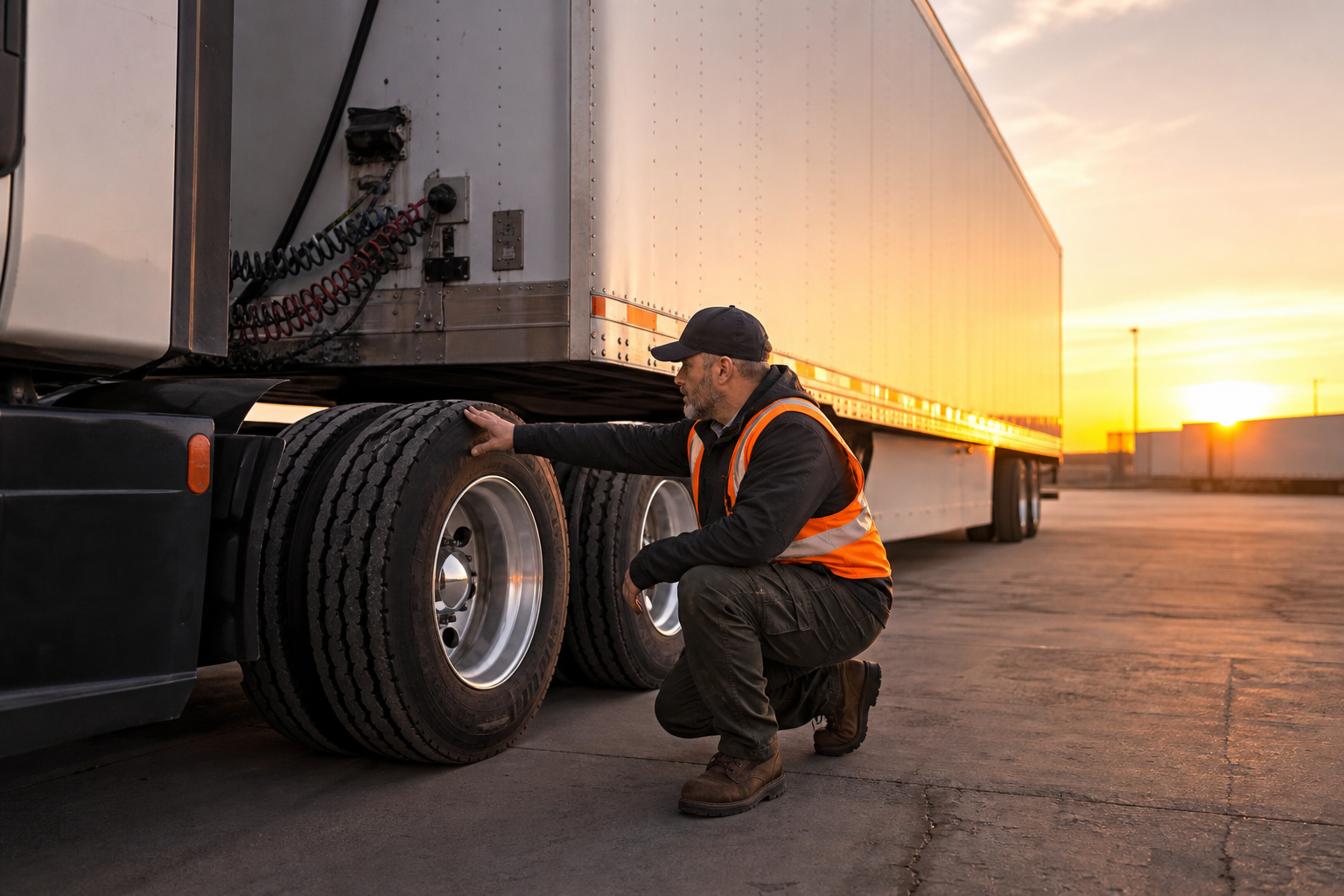
Build a pre-trip routine that you can repeat without rushing. Check tires, lights, mirrors, brakes, coupling points, and trailer doors. Look for leaks or damage before you leave. If something seems unsafe, report it before the truck moves.
Plan the first part of each trip around risk, not speed. Give yourself extra time near crowded terminals, freeway merges, and construction zones. Southern California traffic can change fast. A route that looks short on a map may take longer during a peak commute.
Use these habits on every regional run:
- Keep a safe following gap and add space in poor weather.
- Slow down before curves, ramps, and crowded work zones.
- Check mirrors on a set rhythm instead of waiting for a warning sign.
- Protect your sleep before a night run.
- Stop when fatigue affects your focus.
Weather can create a risk even on a familiar lane. Rain can make oil-slick roads harder to read. Wind can push a trailer across a lane. Heat can increase stress on tires. Mountain routes may bring fog or sudden temperature changes.
Efficient driving is not about rushing. It means reducing avoidable stops while keeping the truck and trailer safe. Set up fuel and rest plans early. Keep paperwork in one place. Learn how the terminal handles drop-and-hook moves so you don't lose time searching for the next step.
Team driving requires extra care. Agree on sleep rules, handoff notes, cab temperature, and meal timing before the run. A clear handoff protects both drivers. It also prevents a small detail, such as a fuel issue or trailer concern, from getting missed.
Keep a short record of safety questions from your first week. Ask about parking, trailer swaps, weather alerts, and fatigue policy. A strong contractor should want those questions answered.
Step 5: Apply for a Stable FedEx Contractor Position With CDL Jobs Inland Empire
Once your schedule and documents line up, apply through CDL Jobs Inland Empire for a FedEx contractor position in the Inland Empire. We connect drivers with stable linehaul work built around terminal-to-terminal freight movement.
Make your application easy to review. Use the same name and contact details across your form, license records, and work history. Check every date. A recruiter can move faster when the basic facts are complete.
Show the work habits that matter in linehaul driving. Mention your Class A status, tractor-trailer experience, night-driving background, and record of safe equipment care when those details apply to you. Newly licensed drivers should state when they earned the CDL and what training they completed.
Prepare for questions about:
- Your preferred home-time schedule.
- Your ability to work assigned linehaul shifts.
- Your comfort with drop-and-hook freight.
- Your recent driving history.
- Your experience with inspections and securement.
- Your interest in safety or performance bonuses.
Ask direct questions in return. Find out how dispatch communicates, how payroll reaches your bank, and how bonus incentives are explained. Ask what happens during a breakdown or missed appointment. Those answers show how the operation works when a run does not go to plan.
We value drivers who show up prepared and treat the equipment with care. In return, the FedEx contractor opportunity connected through CDL Jobs Inland Empire includes stable linehaul work, weekly direct-deposit payroll, and bonus incentives. Exact terms depend on the position and should be confirmed during the hiring process.
Don't wait until your documents expire. Gather them now and submit a complete application while the role fits your schedule. A fast hiring process helps, but a good match matters more than speed alone.
FAQ About CDL A Regional Jobs
What are CDL A regional jobs?
CDL A regional jobs are tractor-trailer driving positions that keep you within a defined geographic area. You may stay out for several nights before returning home on a set or expected schedule. The route is shorter than many OTR assignments, but it can cover long highway lanes between terminals.
How often do regional CDL-A drivers get home?
Home time depends on the employer, lane, freight, and dispatch plan. Some regional jobs offer daily returns, while others provide weekly home time. Ask whether “weekly” means a full day at home or a shorter break. Get the normal schedule in writing before you accept.
Do you need experience for CDL A regional jobs?
You don't always need years of experience for CDL A regional jobs. Some employers consider newly licensed drivers if they meet license, medical, training, and safety requirements. Be ready to explain your CDL date, school or training record, and comfort with the assigned schedule.
What should I ask about regional truck driver pay?
Ask how the job calculates pay and how it handles empty miles, delays, detention, and bonuses. A mileage rate alone doesn't show your likely weekly income. Also ask when payroll arrives, what deductions apply, and whether the route usually provides enough miles to meet the stated pay plan.
How can I find FedEx contractor work in the Inland Empire?
You can apply through CDL Jobs Inland Empire, which connects CDL-A drivers with a FedEx contractor in the Inland Empire. The opportunity focuses on linehaul work with weekly direct-deposit payroll and bonus incentives. Confirm the route, home-time plan, qualifications, and pay terms during the application process.
Conclusion
Choose regional work by matching the route and home-time plan to your actual week, then verify every pay and qualification detail before you accept. If FedEx linehaul work in Southern California fits your goals, submit a complete application to CDL Jobs Inland Empire and be ready to discuss your CDL, driving record, and schedule.