Truck driver home daily jobs can give you a steady route without weeks away from home. But “home daily” can mean different things, so read the schedule closely before you apply. Use these five steps to check the route, confirm the CDL requirements, compare pay details, and apply with CDL Jobs Inland Empire.
Step 1: Define What Home Daily Means for Your Driving Job
Home daily means your truck driving job brings you back to your home terminal or residence each workday. It doesn't always mean a short shift or a fixed start time.
Start by asking what “daily” means for the job you want. Some drivers leave before sunrise and return in the evening. Others work overnight linehaul runs, then sleep at home after the shift. Both may count as home daily, but they create very different routines.
Ask the recruiter these questions before you spend time on an application:
- What time does the shift usually start?
- What time do drivers normally return?
- How often does the schedule change?
- Does the route use a fixed terminal?
- Will you sleep at home after every shift?
- Are weekend or holiday runs part of the job?
Also ask if the role is linehaul, local delivery, or yard work. Linehaul drivers move freight between terminals. A yard driver usually positions trailers on private property. Local delivery may include more stops and more contact with freight. These jobs can all keep you close to home, but the work feels very different.
Federal hours-of-service rules affect how long you can drive and when you must rest. General hours-of-service guidance explains the limits that apply to many commercial drivers. A recruiter should still explain how those rules fit the actual shift.
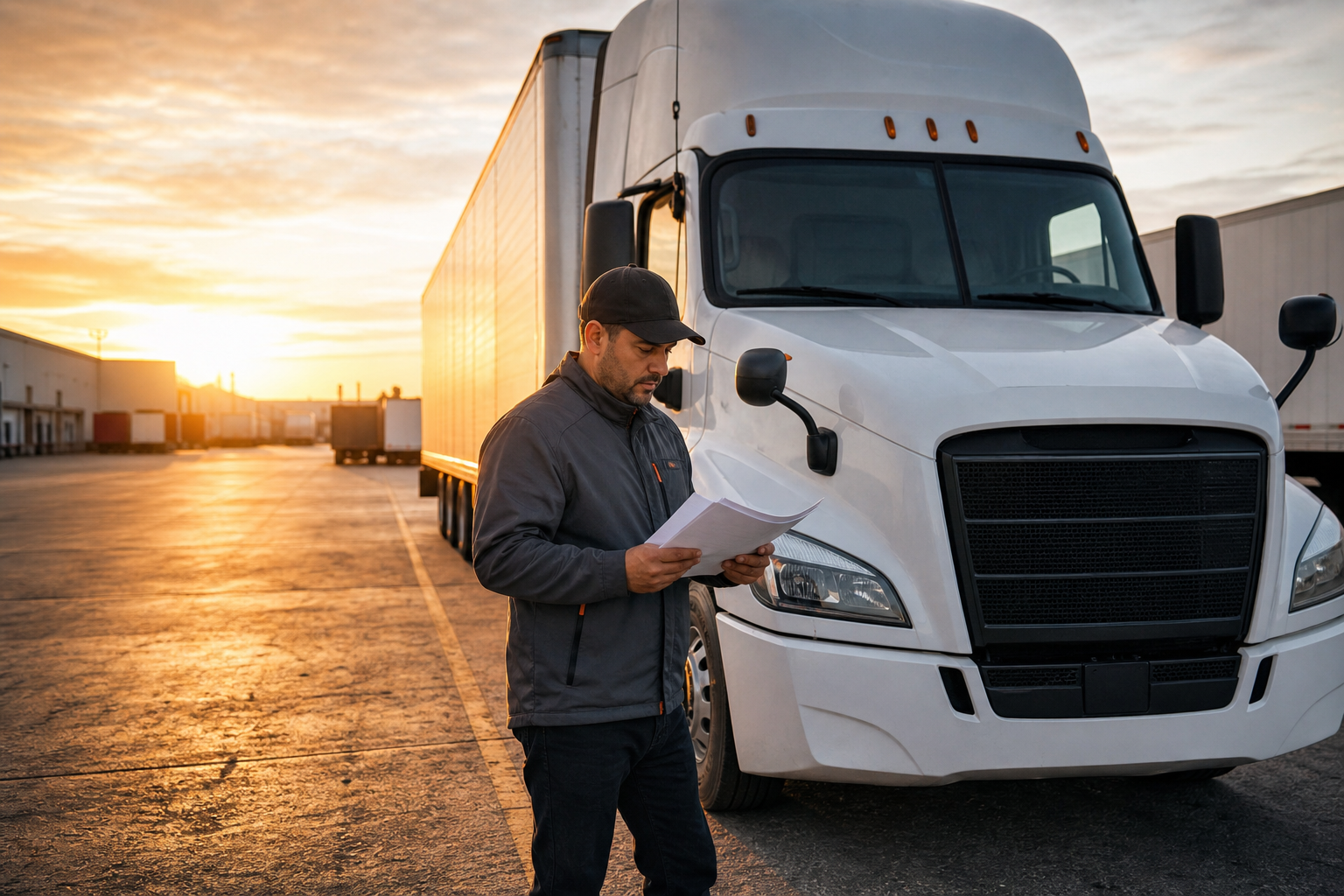
Write down your ideal home time before you compare jobs. For example, you may need to be home by 7 p.m. for child care. Or you may prefer an overnight run because it leaves your daytime open. The right job is the one that matches your life, not the one with the shortest description.
Step 2: Check the CDL, Schedule, and Route Requirements
Truck driver home daily jobs still have firm license and safety requirements. Check those details before you judge the pay.
Start with your CDL class. A CDL-A is commonly used for tractor-trailer linehaul work, but the employer may also ask about your driving record, experience, medical qualification, or endorsements. Read the job post for exact requirements. If the wording is vague, ask what can disqualify an applicant.
Next, study the route. Inland Empire freight work can involve large terminal areas, busy freeway corridors, and scheduled trailer exchanges. A drop-and-hook run means you leave one trailer and connect to another. That can reduce loading time, but you still need to inspect the equipment and secure the connection before moving.
Ask whether the job includes:
- No-touch freight, where you don't load or unload the trailer.
- Live loading, where you wait while freight is loaded.
- Drop-and-hook moves between set terminals.
- Backing into docks or moving trailers in a yard.
- Solo or team driving.
Team driving needs its own questions. Find out how the team shares driving time. Ask where the truck stops for fuel and rest. Ask how the company handles a mismatch between teammates. A team can cover more road time, but the arrangement only works when both drivers communicate well.
The official commercial driver's license information explains the federal CDL framework and links to related requirements. Your state and employer may add their own rules, so use the official source as a starting point rather than your only check.
Don't assume no-touch means no responsibility. You still inspect the tractor and trailer. You still watch for damage during the handoff. If a seal, light, tire, or coupling looks wrong, stop and report it before the truck moves.
Make a short fit list. Put your CDL class at the top. Then note your available shift, preferred route length, team preference, and any schedule limits. This list lets you reject a poor match early.
Step 3: Compare Pay, Benefits, and Home-Time Details
Pay matters in truck driver home daily jobs, but the pay structure tells you more than a large headline number. Ask how the job pays for the work you will actually do.
Linehaul pay may be tied to miles, trips, shifts, or a mix of factors. Some jobs may include bonus incentives. CDL Jobs Inland Empire connects CDL-A drivers with a FedEx contractor that provides weekly direct-deposit payroll and bonus incentives. Ask which parts of the offer are regular pay and which depend on performance or eligibility.
Before you compare two offers, request the details in writing. Check these points:
- How is regular pay calculated?
- Is training paid?
- Are waiting time or extra stops paid?
- When do bonus incentives begin?
- What conditions can reduce or remove a bonus?
- When does health coverage begin?
- Does the job include a retirement plan?
- How are holiday and weekend shifts handled?
Then compare gross pay with your likely take-home pay. Gross pay is the amount before taxes and deductions. Net pay is what reaches your bank account. Health premiums, retirement contributions, tax withholding, and other deductions can change the number you see each week.
Keep a simple worksheet with three columns:
- Guaranteed or regular pay.
- Possible bonus pay.
- Expected deductions and unpaid time.
This keeps a bonus from hiding a weak base offer. It also helps you compare a weekly payroll plan with an offer that pays on a different cycle.
Home time has a money value too. A job that gets you home each day may reduce the need for meals or lodging on the road. But a long commute to the terminal can take back part of that benefit. Measure the full day, including your drive to the terminal, shift length, and trip home.
A general truck-driver job profile can help set broad expectations about common work conditions and job duties. Then rely on the employer's written offer for the details of one position.
A good offer should let you explain how a normal week works. If you can't tell when you start, when you return, or how pay is calculated, keep asking questions.
Step 4: Evaluate Safety, Equipment, and Team-Driving Fit
Safety and equipment checks should be part of your choice when you look at home daily trucking work. A short route doesn't remove the risks of commercial driving.
Ask what equipment you will drive and how it is maintained. You may work with dry vans or other freight equipment, but the key question is how the fleet handles defects. Find out how drivers report a problem. Ask who decides whether a truck is safe to dispatch. Ask what happens when a repair delays a run.
Pay attention during any yard visit or interview. Look for a clear process around:
- Pre-trip and post-trip inspections.
- Trailer and coupling checks.
- Defect reports.
- Weather delays.
- Fatigue concerns.
- Incident review.
Good safety talk should be specific. A recruiter should be able to explain what you do when a tire loses air, a light fails, or a trailer has visible damage. “Safety first” is easy to say. A clear stop-and-report process is what you need.
Now decide if team driving fits your life. Team work can make sense when two drivers want shared road time and a planned schedule. It may also help a contractor keep freight moving between terminals. But you spend long stretches in a small space with another person.
Ask about sleeping arrangements inside the truck. Ask how drivers trade seats. Ask if teams are assigned or if you can request a partner. Talk about cleanliness, music, food, and quiet time before the first run. Small conflicts become large ones when neither driver says what they need.
Parents should ask how far in advance schedules are posted. Drivers who care for a family member should ask about shift swaps and attendance rules. Female drivers may also want to ask how the company handles safe parking, restroom access, and concerns raised during a run. Don't assume an answer. Get the policy and the day-to-day expectation.
Equipment fit matters as much as route fit. A job can be home daily and still feel wrong if the truck, shift, or team setup doesn't suit you.
Step 5: Apply for a Home Daily Job with CDL Jobs Inland Empire
Once the schedule fits, apply with the information a recruiter needs to review you quickly. CDL Jobs Inland Empire connects CDL-A drivers with a FedEx contractor in the Inland Empire for linehaul work.
Prepare these details before you start:
- Your CDL class and endorsement information.
- Your recent driving experience.
- Your current employment status.
- Your preferred shift and home-time needs.
- Your general availability.
- Any questions about team or solo work.
Be accurate about your work history. Include the type of equipment you drove and the kind of freight you handled. If you have worked with drop-and-hook freight, say so. If your CDL is new, state that clearly and ask what entry requirements apply.
Use the CDL Jobs Inland Empire driver application page to submit your information. Keep your phone and email details current so the team can reach you. Never send a copy of a license or medical document through an unverified channel.
After you apply, prepare for a short screening conversation. Be ready to explain why you want home daily work. Give a clear answer about your preferred schedule. If you need a specific return time, say it early. That helps both sides avoid a poor fit.
Ask the recruiter to confirm the following before you accept:
- The terminal or reporting location.
- The normal start and return window.
- The type of linehaul freight.
- Whether the run is solo or team-based.
- The pay method and payroll timing.
- Bonus rules and eligibility.
- Training and onboarding steps.
- Home-time expectations during busy periods.
We work with drivers who want stable weekly pay, regular home time, and a clear path into FedEx contractor linehaul work. We also know that the right fit depends on the details. A fast application is useful only when the job matches your license and your life.
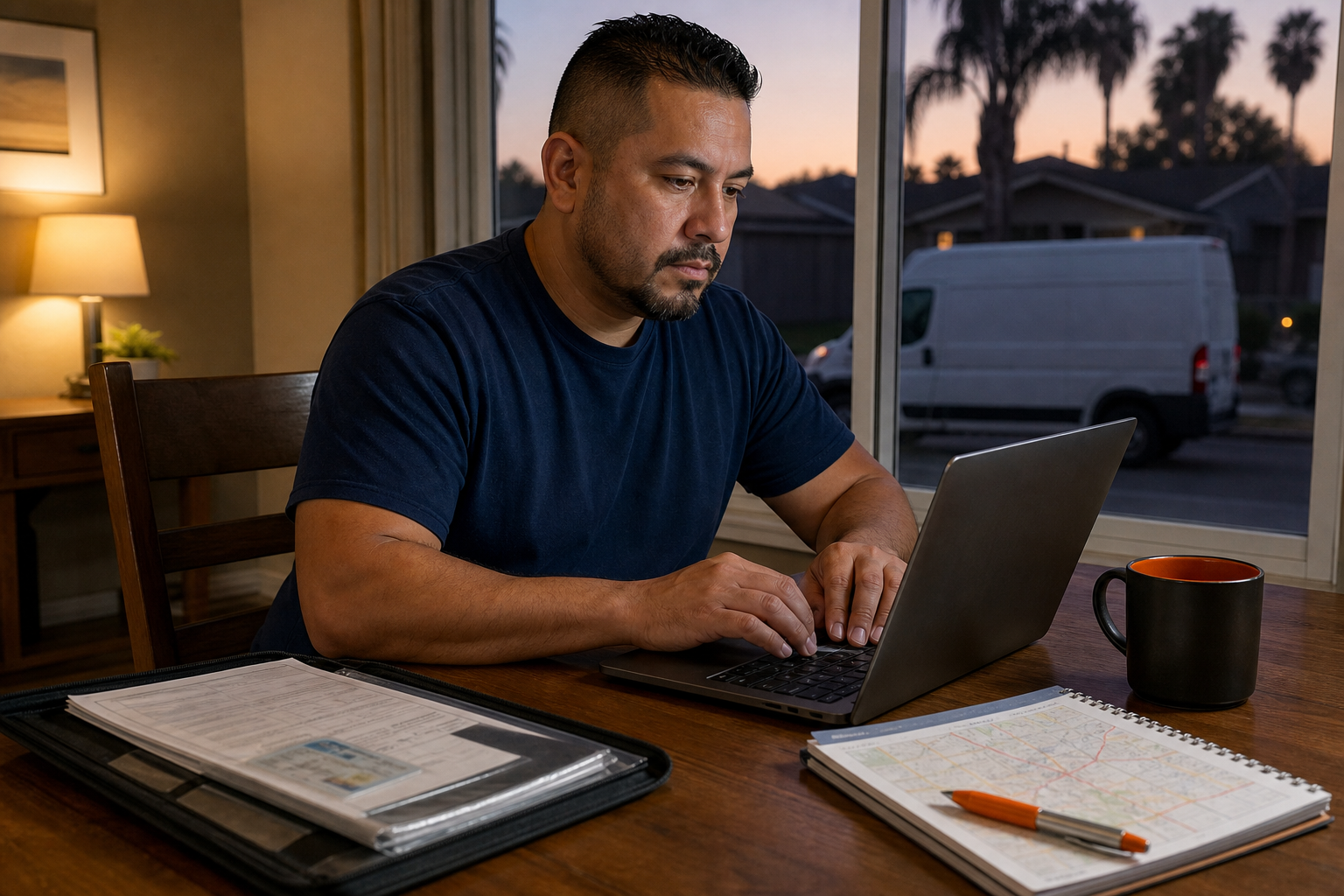
Before you submit, proofread your contact information and work dates. Then save a copy of the job details you reviewed. That record gives you a clear list of questions during the next conversation.
FAQ: Truck Driver Home Daily Jobs
What are truck driver home daily jobs?
Truck driver home daily jobs bring you back to your home terminal or residence after each scheduled shift. The work may involve linehaul, local delivery, or yard moves. Check the exact start time, return window, weekend schedule, and overnight expectations because “home daily” doesn't guarantee short hours.
Is linehaul work home daily?
Linehaul work can be home daily when the route runs between nearby terminals and returns within the same work period. Some linehaul shifts run overnight. Ask where you sleep after the run, how far you travel, and whether the route changes during busy periods.
What CDL do I need for home daily driving?
Many tractor-trailer home daily jobs ask for a CDL-A, but each employer sets its own requirements. Check the job posting for experience, endorsements, medical qualification, and driving-record rules. Newly licensed drivers should ask whether the contractor accepts applicants with limited commercial experience.
Does no-touch freight mean an easier driving job?
No-touch freight means you may not load or unload the trailer, but it still requires careful work. You must inspect the equipment, confirm the trailer connection, watch for damage, and report problems. The route may be less physical than hand-loading freight, yet the driving and safety duties remain serious.
How do I apply for home daily work in the Inland Empire?
Apply through CDL Jobs Inland Empire with your CDL details, driving history, availability, and schedule needs. Be ready to discuss linehaul work, team driving, pay timing, and home time. Ask for the normal shift pattern before you accept an interview or offer.
Conclusion
Start with the schedule, not the pay headline. Confirm the route, CDL rules, home-time window, equipment process, and pay structure before you commit. If the fit looks right, submit your details to CDL Jobs Inland Empire and ask for the exact linehaul schedule during the first recruiter conversation.