Need a CDL medical card to keep driving your linehaul truck? The paperwork can feel heavy, but the steps are clear. Follow this guide and you’ll be back on the road in no time.
Step 1: Confirm Whether You Need a CDL Medical Card
The first thing to check is the class of your license and the type of work you do. Class A and Class B commercial drivers, plus anyone pulling a school bus or fire vehicle, must meet federal medical standards. If you drive for a FedEx contractor in the Inland Empire, you fall squarely in that group.
California requires you to certify your medical eligibility every two years. The certification must be dated within the last 24 months when you apply for a new CDL or when you renew the existing one. Drivers with an expired or suspended license cannot submit a medical report until the status is cleared.

Even if you only haul intrastate loads, the same two‑year rule applies. The DMV’s form MCSA 5875 and form MCSA 5876 (Medical Examiner’s Certificate) are the official documents you’ll need.
Take a quick inventory of your current license. If it’s a Class A CDL and you’re hauling interstate freight, you’ll need the electronic submission route (see Step 4). If you’re limited to intrastate routes, the paper route still works.
Step 2: Schedule Your Commercial Driver Medical Examination
Find a qualified medical examiner. Those providers include MDs, DOs, physician assistants, advanced practice nurses, and chiropractors who are authorized to conduct the exam.
Call the office and ask if they submit MERs (Medical Examination Reports) electronically for interstate drivers. If they do, you’ll save a trip to the DMV later. Otherwise, book a date for a paper exam.
When you call, mention that you need a form MCSA 5875 completed within the last 24 months. The examiner will confirm the paperwork they’ll provide. Some clinics have online portals where you can pre‑fill your personal details, cutting down the wait time at the appointment.
Because the DMV now requires electronic submission for interstate drivers, schedule the exam at least two weeks before your current medical card expires. That buffer lets the examiner upload the results and gives the DMV a day to post them on your record.
For drivers who prefer to handle everything through a single portal, official online information about the electronic MER process may be available.
Step 3: Prepare for and Complete the Medical Exam
The DOT physical looks at vision, hearing, blood pressure, and overall fitness. Bring any prescription glasses, hearing aids, and a list of current medications. The examiner will check your eyesight with a standard vision chart and test your hearing with a simple tone‑check.
Be ready to discuss any chronic conditions, diabetes, asthma, or back issues. The examiner will note whether you need a restriction on your CDL, such as a vision‑only or intrastate limit.
Most clinics run the exam in under 30 minutes. If the doctor finds an issue, they’ll give you a short window (often 30 days) to address it before they can sign off.
After the exam, the examiner will either submit the MER electronically (for interstate drivers) or hand you the completed paper forms. Keep the signed copies in a safe place; you’ll need them for the next step.
Double‑check that the MER shows the correct date and your full name. A typo can delay processing.
Step 4: Submit Your Medical Certification to the California DMV
If you’re an interstate driver, the examiner will have already sent your MER and MEC (Medical Examiner’s Certificate) to the required electronic system. The DMV pulls that data automatically, so you don’t need to file anything yourself.
Intrastate drivers still use the paper route. Mail the completed MCSA 5875 and MCSA 5876 to a DMV office, drop them off at a local field office, or fax them if you prefer. The DMV will review the forms for legibility and compliance before posting the result.
Because the DMV posts electronic results within one business day, you’ll see the updated status on your driver record quickly. If you submit paper forms, expect a processing time of up to five business days.
For more detail on the electronic submission requirement, see commercial driver licensing information. It outlines the split‑path model for interstate versus intrastate drivers.
Once the DMV confirms your medical certification, you’ll receive an interim CDL valid for 60 days if you’re waiting for the permanent card. Use that window to schedule any required skills test.
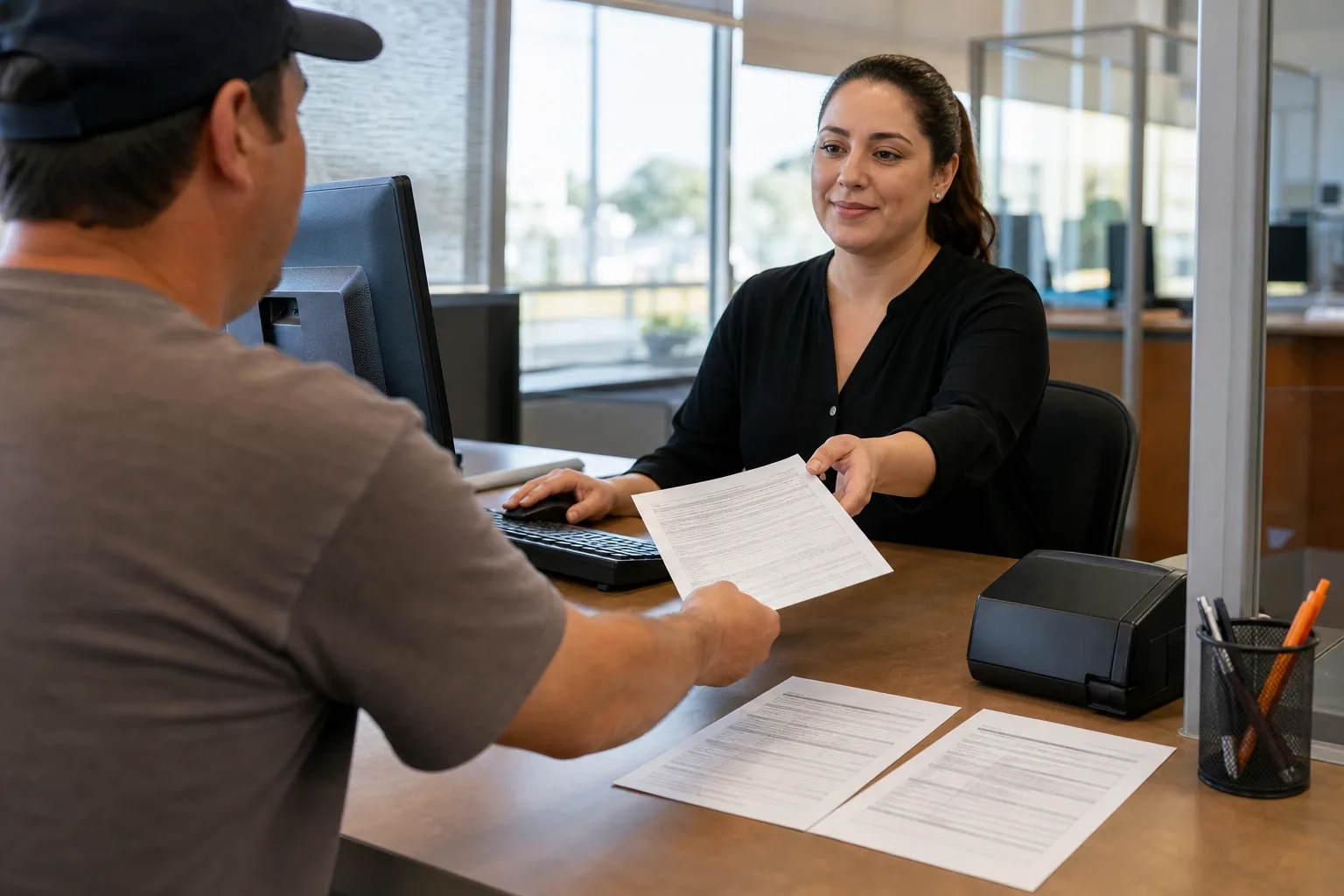
"The DMV must post medical examination results on the driver’s record within one business day," the agency states.
Step 5: Track Your Expiration Date and Renew on Time
Every CDL medical card expires after two years. Mark the expiration date on your calendar the day you receive the certification. Most drivers set a reminder 30 days before the date so they have time to schedule a new exam.
If you drive for CDL Jobs Inland Empire, we’ll send you a quick email reminder when your medical card is due. That way you won’t miss the window and risk a license suspension.
When it’s time to renew, repeat Steps 1‑4. The process is the same, but you can often reuse the same examiner if they’re still listed on the National Registry.
Keep a copy of your old MER for reference. If the DMV asks for proof of a prior exam, you’ll have it ready.
Staying on top of the two‑year cycle keeps your driving record clean and avoids unexpected downtime.
FAQ
Do I need a CDL medical card if I only drive within California?
Yes. Both interstate and intrastate Class A and B drivers must meet federal medical standards and certify eligibility every two years.
Can I submit the medical exam myself?
No. For interstate drivers the examiner must upload the MER to the National Registry; intrastate drivers can submit paper forms themselves or have an employer do it.
How long does the DMV take to post my medical results?
For electronic submissions the DMV posts the result within one business day. Paper submissions may take up to five business days.
What happens if my medical exam fails?
The examiner will note the issue and may require a re‑examination or issue a restricted license. You’ll receive a notice from the DMV with next steps.
Is there a fee for the medical exam?
Fees vary by provider. Most clinics charge between $75 and $150 for a full DOT physical. Check with your examiner before the appointment.
Do I need a new exam if I get a medical waiver?
If you receive a waiver for a specific condition, the waiver stays in effect until it expires or your health changes. You’ll still need to renew the overall medical certification every two years.
Getting a CDL medical card doesn’t have to be a hassle. Follow the steps, stay on top of the two‑year renewal, and you’ll keep your linehaul runs smooth.
Ready to start? Book your exam today, keep the forms handy, and let CDL Jobs Inland Empire help you stay on schedule.