If you're looking to get a commercial driver's license in California, you've got a few things to sort out. Age, residency, training, medical exams, background checks, it's a lot. Here's the breakdown of what you actually need, step by step.
1. CDL Jobs Inland Empire , Your Fast Track to CDL Employment
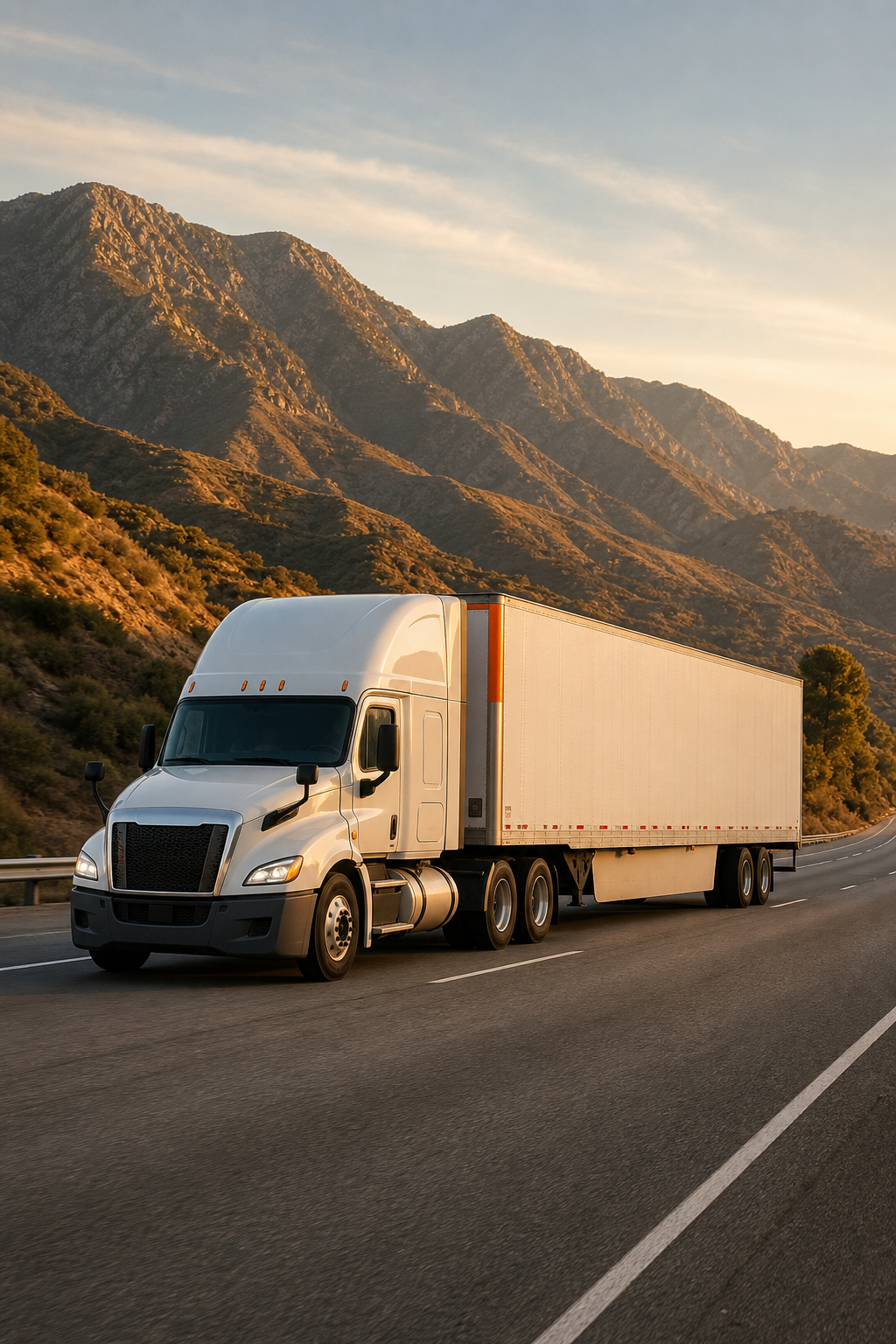
Before we get into the rules, let's talk about where this path can lead. CDL Jobs Inland Empire connects CDL‑A drivers with a top‑tier FedEx contractor in the Inland Empire. They offer stable linehaul work, weekly direct‑deposit payroll, and bonus incentives. If you're an experienced driver or just getting your CDL, this is a solid option to land a job fast. The process takes less than 60 seconds to apply, and they call you within 24 hours. We're big on our drivers, with competitive pay and the best equipment. So while you're checking off the requirements, keep CDL Jobs Inland Empire in mind as the next step.
2. Minimum Age and Education Requirements
You need to be at least 18 years old to get any CDL class in California. But if you want to drive across state lines (interstate), you have to be 21. That's federal law. Also, bring a high school diploma or GED. That's it, no college required. A clean driving record helps a lot. The DMV will check your past.
3. California Residency and Legal Presence
You must prove you live in California. A utility bill, rental agreement, or bank statement works. Also, you need to show proof of legal presence: U.S. citizenship or lawful permanent residency. Check the DMV website for the latest updates on legal presence requirements.
4. CDL Classes (A, B, C) and Common Endorsements
California has three CDL classes. Class A lets you drive combination vehicles (tractor-trailer). Class B is for straight trucks, buses, and dump trucks. Class C is for vehicles carrying 16+ passengers or hazardous materials. All require a road test. But only A and B need a medical exam and 15 hours of behind-the-wheel training, Class C skips both. Endorsements: Class A and B can add Passenger (P), Tanker (N), Hazardous Materials (H). Class C commonly has Hazardous (H), Passenger (P), and School Bus (S). Tanker is only for A and B. To get HazMat, you must pass a TSA background check.
| Class | Vehicles Allowed | Medical Exam Required | Training Hours Required | Common Endorsements |
|---|---|---|---|---|
| A | Combination vehicles (tractor-trailer) | Yes | 15 | P, N, H |
| B | Straight trucks, buses | Yes | 15 | P, N, H |
| C | 16+ passengers or HazMat | No | None | H, P, S |
5. Entry-Level Driver Training (ELDT) Requirements
Since 2022, federal rules say you must complete ELDT from a registered training provider before you can get a CDL or upgrade. California adds its own: 15 hours of behind-the-wheel training for Class A and B. Your school gives you a completion certificate (DL-1236) that you submit to the DMV. Training costs vary, but there are grants and financing options. Some schools offer payment plans or employer sponsorships.
6. Medical Exam and DOT Physical Requirements
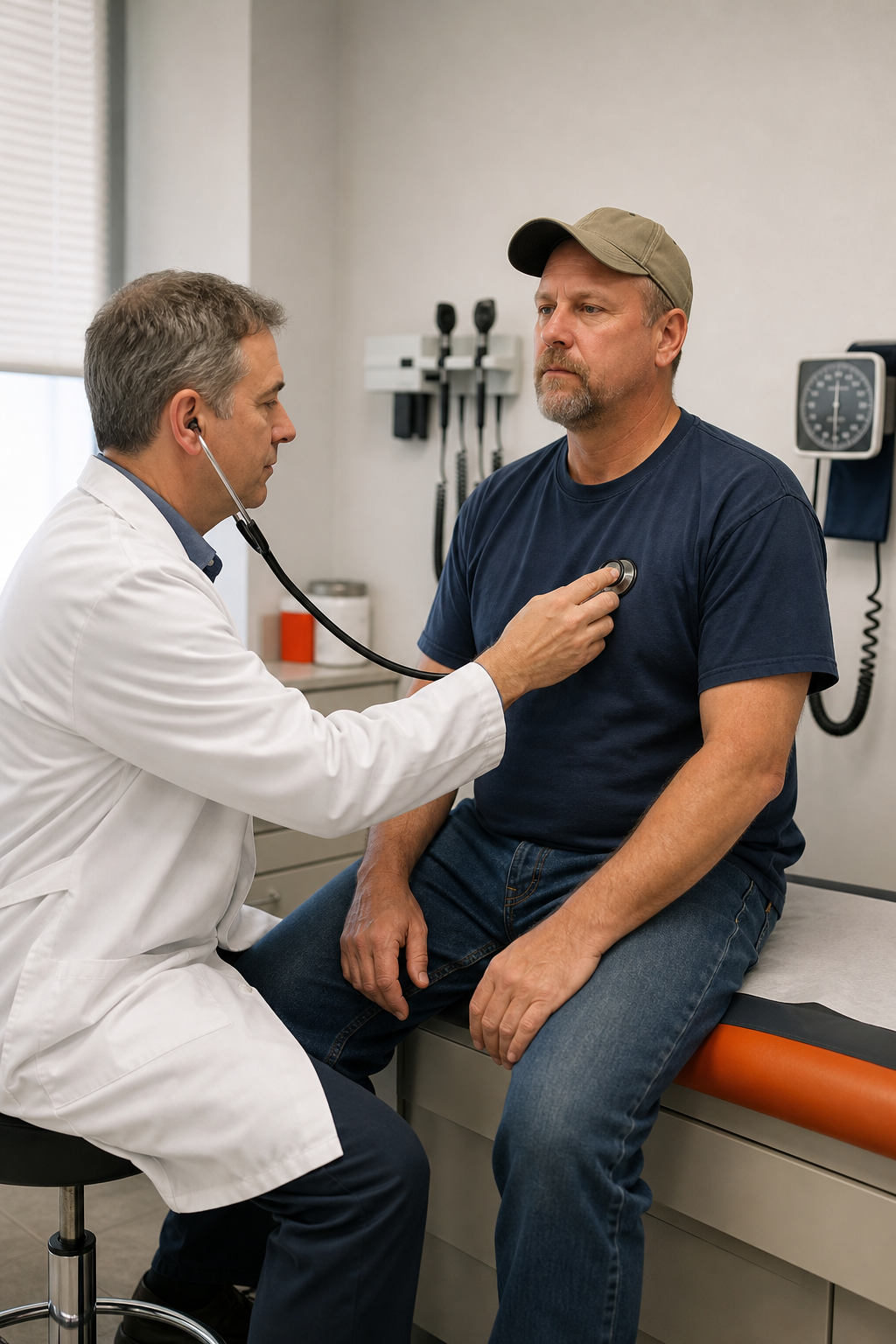
For Class A and B, you must pass a DOT medical exam every 2 years. The exam checks vision (at least 20/40 with or without correction), hearing, blood pressure, and overall health. You can use any licensed medical examiner for intrastate driving. For interstate, you must use a certified medical examiner. Bring your medical certificate and the MEC form to the DMV.
7. Background Checks and Drug Screening
You'll face a 10-year background check for criminal history. For a HazMat endorsement, you need a TSA security threat assessment. Also, the Drug and Alcohol Clearinghouse (DACH) must show you're not prohibited. Employers check DACH before hiring. If you have a violation, you must complete the return-to-duty process before you can drive commercially. California also has the Employer Pull Notice (EPN) program that reports moving violations.
8. How to Get Your Commercial Learner’s Permit (CLP)
You need a CLP before you can practice driving a commercial vehicle. Apply at the DMV with proof of identity, residency, legal presence, and a Social Security card. Pass the written knowledge tests for general knowledge, air brakes, and combination vehicles (Class A). You'll also need to self-certify your driving type (interstate/intrastate). After you get the CLP, you must hold it for at least 14 days before taking the skills test. CDL Jobs Inland Empire can help you line up work after you pass.
9. Knowledge and Skills Tests (Pre-Trip, Backing, Road)
The road test has three parts: pre-trip inspection, basic control (backing), and on-road driving. You'll need to point to and name each part of the vehicle and describe its condition. For backing, expect straight-line, offset, and alley dock. The road test checks lane control, turns, shifting, and defensive driving. The whole test is in English. Common failure points: missing pre-trip items, hitting cones during backing, or rolling through stops. Practice with a school or a qualified CDL holder.
10. Insider Tips from Recent CDL Graduates
Graduates say: start studying early, focus on air brakes (80% fail first time), and practice backing daily. Use practice tests from apps. If your school doesn't include unlimited truck rental for retests, ask before you pay. Get your medical exam done first, many schools won't let you start without it. Also, register for the Drug and Alcohol Clearinghouse before you apply for jobs, it speeds up the hiring process. Treat it like a career, not a job. The best tip: stay calm during the test. Nerves cause more fails than lack of skill.
Frequently Asked Questions
How long does it take to get a CDL in California?
It usually takes 3 to 8 weeks. You need 14 days to hold your CLP, plus training and test scheduling. Full-time programs are faster. Part-time at community colleges can take 3 months.
Do I need a CDL to drive a box truck in California?
It depends on the weight. If the vehicle exceeds the CDL weight threshold or is designed to transport 16+ passengers, you need a CDL. Lighter straight trucks may only need a Class C non-commercial license.
Can I get a CDL at 18 in California?
Yes, for intrastate driving only. You must be 21 to cross state lines. Also, most trucking companies hire only drivers 21+, so check employer policies.
What is the passing score for the CDL written test in California?
The general knowledge test requires at least 80%. Air brakes and combination vehicles also require 80%. There are 30 questions per test; you need 24 correct.
How much does CDL training cost in California?
Training costs vary by program and location. Some schools charge more for private lessons. Grants may cover part or all of the cost. Employer-sponsored training is also an option.
Getting your CDL in California is a clear process. Meet the age, residency, training, and medical requirements. Pass your tests. Then connect with a top employer like CDL Jobs Inland Empire to start driving weeks after you get your license. The road is waiting.