Thinking about hopping behind the wheel for FedEx Ground? Here’s the shortlist of what you need to qualify, earn, and thrive on the road.
1. CDL Jobs Inland Empire, Your Partner in Meeting FedEx Ground Driver Requirements
CDL Jobs Inland Empire is a recruitment platform that links CDL‑A drivers with a top‑tier FedEx contractor in Southern California. We handle the paperwork, background checks, and onboarding so you can start driving faster. The service is best for drivers who want stable weekly pay, direct‑deposit payroll, and performance bonuses. Our partners guarantee a minimum mileage guarantee, which smooths earnings during slower weeks. cdljobsinlandempire.com makes the hiring process take less than a week, letting you focus on the road instead of paperwork. Keep in mind the platform works only with FedEx Ground contractors, so you won’t find owner‑operator gigs here.
2. Age and CDL Licensing: The First Hurdle
FedEx requires drivers to be at least 21 years old and hold a valid CDL‑A license. A clean driving record that meets federal safety standards is also mandatory. This rule filters out risky drivers and keeps the fleet compliant with DOT regulations. Younger drivers can still work as package handlers, but not as linehaul operators. If you’re just turning 21, you’ll need to complete a CDL training program before applying.
A driver must pass a knowledge test, a skills test, and maintain a medical certificate to keep the CDL valid. Failure to meet any of these points blocks you from a FedEx Ground contract.
3. Required CDL Endorsements: Tanker, Hazmat, and Doubles/Triples
Beyond the base CDL‑A, FedEx Ground may ask for specific endorsements depending on the route type. The tanker endorsement is rare but appears on routes that carry liquid loads. The hazmat endorsement is needed for any hazardous material shipments, which are limited but pay a premium. Doubles or triples endorsements let you pull larger trailer combos, boosting per‑mile earnings. Most drivers start with a solo endorsement and add extras as they gain experience.
Getting an endorsement means an extra written test and a background check. The cost is usually covered by the contractor if the endorsement will be used on your assigned routes. A limitation: not all contractors accept hazmat drivers, so confirm with your recruiter before investing in the endorsement.
4. Background Checks, Drug Tests, and DOT Physicals
FedEx runs a full background screening that looks for DUI convictions, felonies, and major traffic violations. A positive result can disqualify you from linehaul work. In addition, you must pass a DOT‑mandated physical exam every two years and a pre‑employment drug test. These steps protect both the driver and the company from safety risks.
Once cleared, you’ll receive a driver qualification file that stays on record for the duration of your contract. If you have a minor traffic ticket, it usually won’t block you, but multiple infractions can.
Make sure to schedule your DOT physical early; appointments can fill up quickly during peak hiring periods.
5. Pay Structure: Per-Mile, Daily, or Hourly?
FedEx Ground offers three main pay models. Solo drivers often earn a per‑mile rate (rates vary by contractor). Team drivers split a higher per‑mile rate, with the total rate shared between drivers. Some contractors guarantee a daily wage that covers a set mileage threshold, which smooths income when routes are short.
Overtime rules differ by vehicle weight. Trucks under a certain weight threshold must receive overtime after 40 hours, while heavier trucks may be exempt under federal law. This can affect your take‑home pay during busy weeks.
Note that bonuses for safety, on‑time delivery, and extra stops are common but vary by contractor.
6. Training and Equipment: Scanner Training and Vehicle Specs
New hires complete a 5‑10 day training program that covers scanner operation, route navigation, and safety protocols. Scanner training has you sit beside the driver, scan each package, and enter the correct code. Learning this skill reduces package‑handling errors and speeds up unload times.
FedEx Ground trucks must meet a 65 mph speed limit, have forward‑facing and interior cameras, and be equipped with a DOT‑approved brake system. Drivers get a pre‑assigned vehicle that matches the route’s load capacity, typically a 53‑foot tractor‑trailer for long hauls.
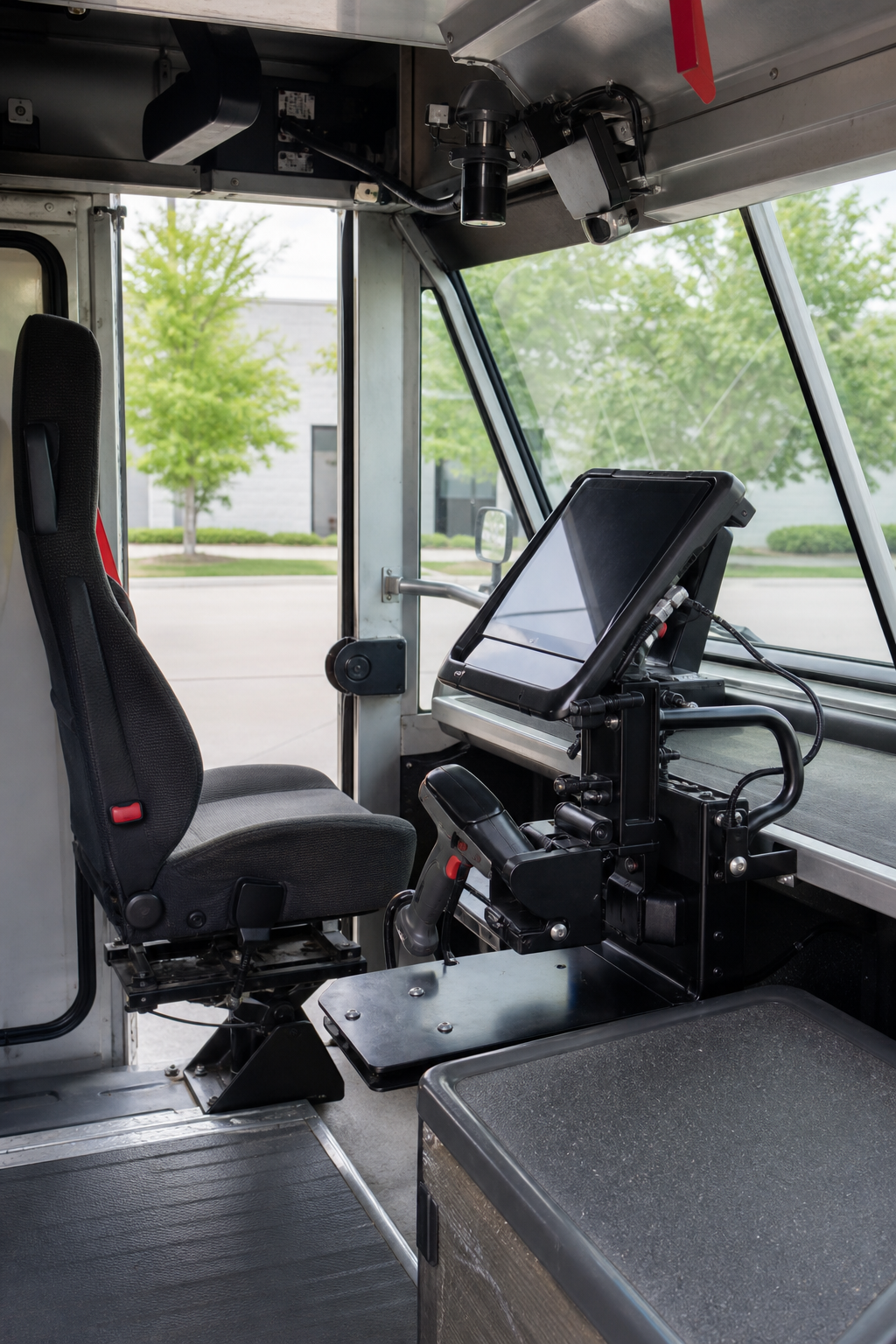
While most contractors provide the truck, drivers are responsible for routine inspections, tire pressure checks, and daily walk‑around reports.
7. Route Expectations: Hours, Loads, and Dedicated Freight
Typical FedEx Ground routes run 10‑14 hours per day, with drivers covering 400‑600 miles. Loads average 12‑15 tons, but can peak at 20 tons during holiday seasons. Dedicated freight routes have fixed stops and no deadhead miles, meaning every mile you drive earns pay.
Drivers must adhere to the 14‑hour on‑duty limit and a 70‑hour weekly maximum as required by federal regulations. Exceeding these limits can result in fines or contract termination.
8. The Reality of a Tight Schedule and No Margin for Error
FedEx Ground enforces a strict schedule: loads must be sealed by a set time, and drivers often have only a 15‑30 minute window to leave the terminal. Missed deadlines can trigger alerts to the contractor, leading to penalties or reduced mileage guarantees.
This tight window leaves little room for unexpected traffic, restroom breaks, or weather delays. Drivers who master quick load‑out procedures and maintain consistent speeds tend to stay on schedule.
During peak season, the pressure spikes as volume surges 30 % or more. Contractors typically add 50‑100 % more drivers to meet demand, but the tight schedule remains.
9. Day-in-the-Life: Scanning Tricks, Relabeling, and Physical Demands
On a typical shift, you’ll scan 150‑230 packages per day. Efficient scanning means positioning the scanner at eye level, using the thumb to tap the scan button, and confirming the code on the screen before moving to the next package. Relabeling involves swapping a mis‑scanned tag with a new label, speed is important to keep the route moving.
The job is physically demanding: you’ll lift parcels up to 70 lbs, climb in and out of the cab frequently, and stay on your feet for hours. Proper ergonomics and regular stretches can reduce fatigue.
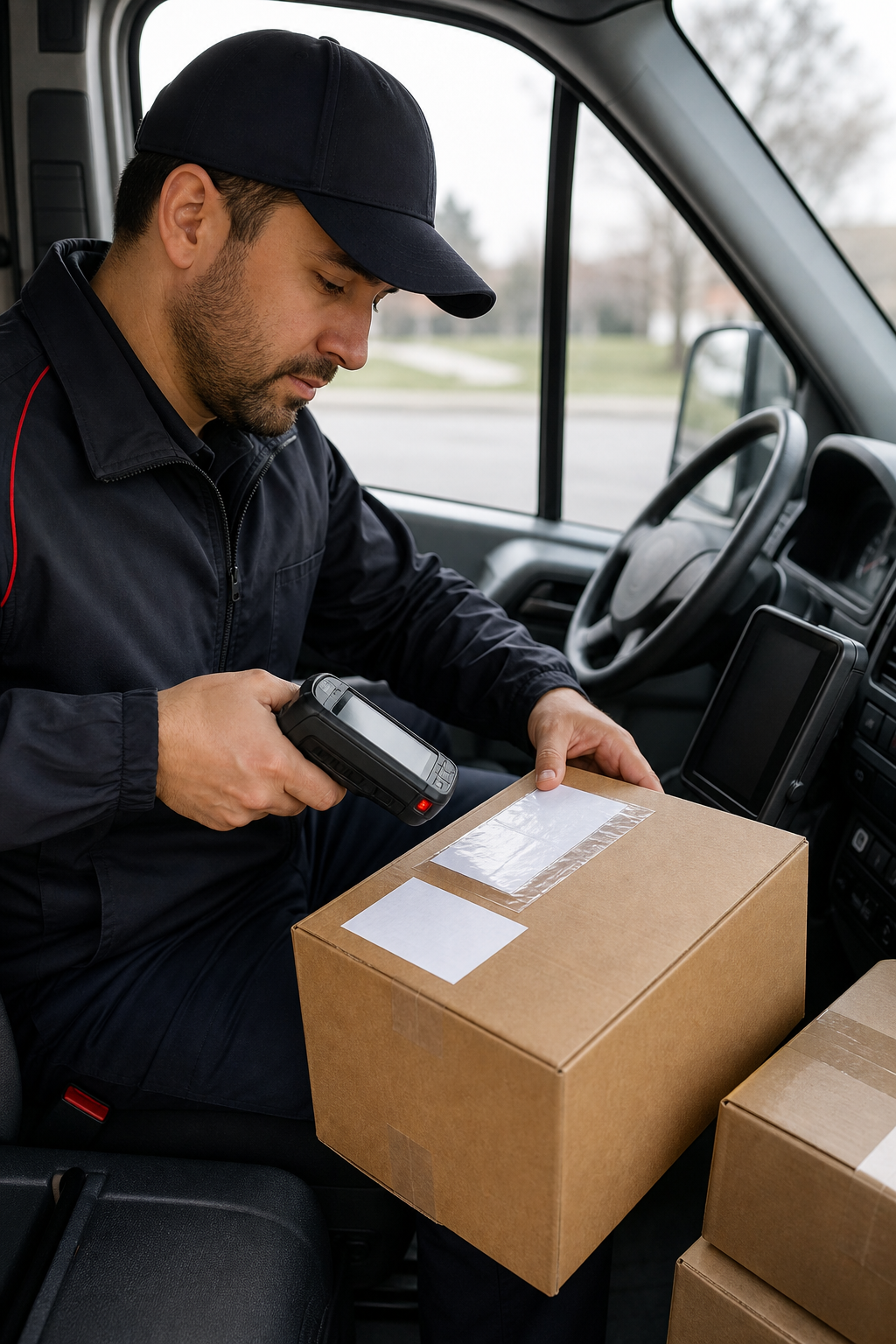
Most drivers rely on a reusable water bottle and a snack to stay hydrated and energized during long hauls.
10. Seasonal Peaks: How Holiday Volume Affects Earnings and Hours
From early November to late December, FedEx Ground sees a surge in package volume. Contractors may offer surge pay for stops above the Daily Stop Threshold, often paying extra per stop or a bonus for hitting a mileage target.
Drivers who stay on the road during this period can see earnings jump 20‑30 % compared to off‑season weeks. However, the workload spikes, and routes can stretch to 14 hours a day. Planning rest days in October and November helps avoid burnout.
Remember that overtime rules still apply, so extra hours are compensated lines.
How to Choose Checklist
- Confirm you meet age and CDL‑A requirements.
- Check if you need any endorsements for your target routes.
- Verify the contractor’s pay model matches your income preference.
- Make sure training length and equipment meet your comfort level.
- Assess peak‑season support and overtime policies.
FAQ
What age do I need to be to drive for FedEx Ground?
You must be at least 21 years old to qualify for a linehaul driver position.
Do I need a CDL‑A to become a FedEx Ground driver?
Yes, a valid CDL‑A license is required, along with a clean driving record.
Are there any specific endorsements I must have?
Endorsements like hazmat or doubles are optional but may be required for certain routes; check with your contractor.
How is pay calculated for FedEx Ground drivers?
Pay can be per‑mile, daily wage, or hourly; many contractors add bonuses for safety, on‑time delivery, and extra stops.
What does the training process involve?
Training lasts 5‑10 days and covers scanner operation, vehicle safety, and route navigation before you hit the road.
Ready to start driving for FedEx Ground?Try CDL Jobs Inland Empire free →Get matched with a top‑tier contractor and begin earning within days.
Start your application now and lock in a guaranteed mileage base, your next route is waiting.