Want to drive a big rig in the Golden State? You’ve got a few routes to a CDL, and each one fits a different need. Below are the top 11 ways to get a CDL in California, and who each option works best for.
1. CDL Jobs Inland Empire , Get Sponsored by a FedEx Contractor
CDL Jobs Inland Empire connects you with a top‑tier FedEx contractor in the Inland Empire. It’s built for drivers who want stable linehaul work, weekly direct‑deposit pay, and bonus incentives. We value your time, so the hiring process takes less than 60 seconds and you hear back within 24 hours. The partnership offers a clear path from training to a full‑time FedEx route, and you keep your driving record clean because we handle compliance.
Because the contractor runs its own fleet, you get access to newer tractors and a consistent mileage schedule. That means you can plan home time and avoid the feast‑or‑famine cycles some carriers impose. Bottom line: If you want a quick start with a reputable FedEx linehaul, this is the fastest ticket.
2. Private CDL Training Schools , Fast‑Track Programs
Private schools offer intensive, fast‑track courses that cram 160 hours of classroom, yard, and road training into a few weeks. They often partner with carriers that promise a job placement after graduation. Many accept grants, loans, and even the Workforce Innovation and Opportunity Act (WIOA) funding, so you can start without paying upfront.
Students appreciate the hands‑on experience with both manual and automatic rigs, and the ability to finish before the summer rush. The downside? Tuition can range from $4,000 to $6,000, and not every school guarantees a job.
3. Community College CDL Programs , Affordable and Accredited
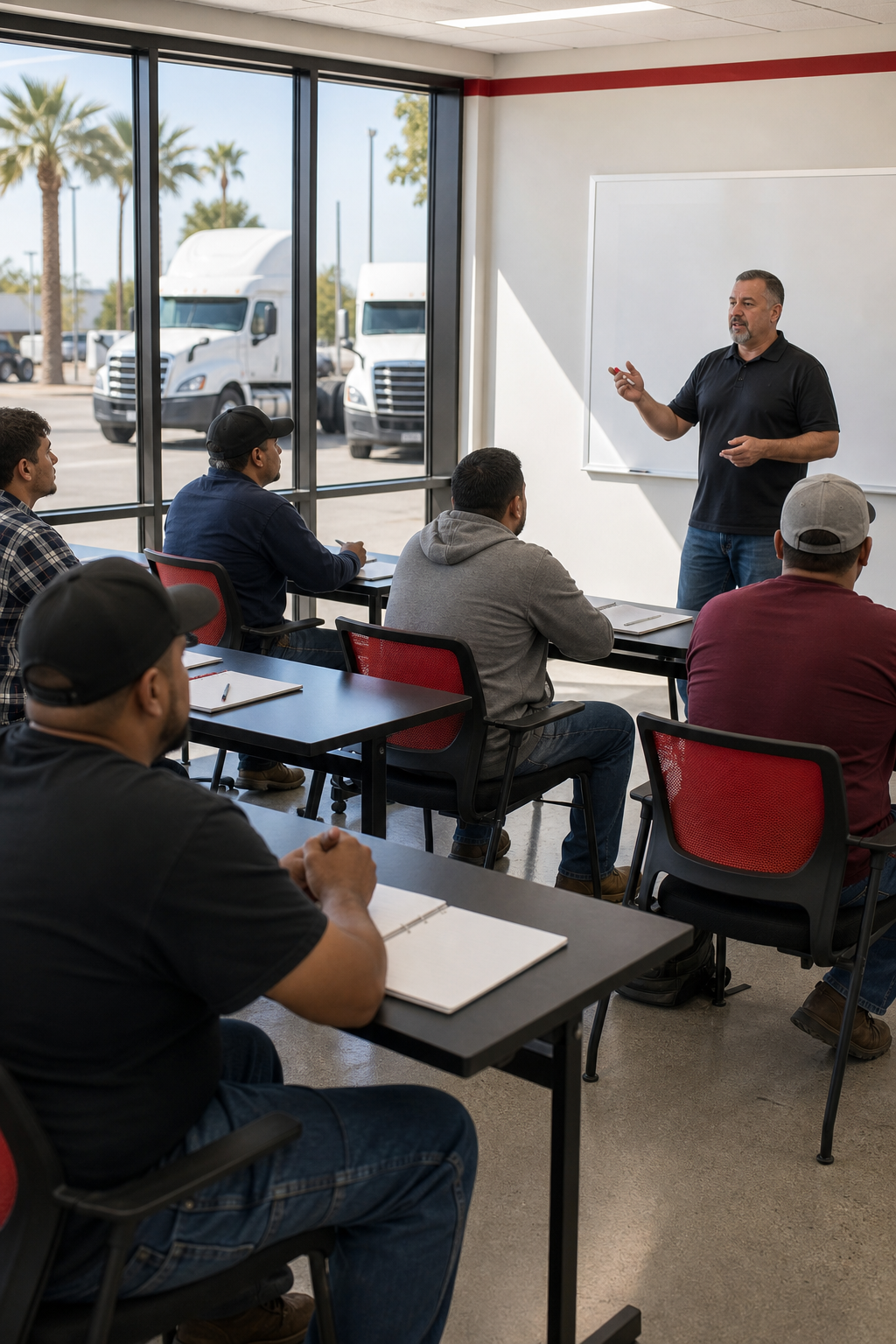
Community colleges like Victor Valley College run ELDT‑approved programs that cost nothing out of pocket. State funding covers tuition, and you only pay for fees like the DOT physical. The curriculum meets the federal entry‑level driver training standards, so you earn a valid CLP after 15 hours of behind‑the‑wheel practice.
Students benefit from small class sizes and access to simulators before handling a real rig. The program also links you with local employers, though you’ll need to chase job leads yourself. Victor Valley College’s CDL page details the schedule and fee waiver options.
One caveat: If you need a specific endorsement, you may have to take an extra class outside the core program.
4. Company‑Sponsored Training , Zero Upfront Cost
Some carriers cover the entire cost of your CDL school in exchange for a commitment to drive for them after graduation. The agreement often includes a tuition reimbursement plan that pays you back $200 a month once you’re on the road.
This path eliminates the financial barrier and gives you a built‑in job pipeline. However, you’re tied to the company for a set period, usually 12‑24 months, and breaking the contract can mean paying back the training.
Make sure the carrier’s safety record and equipment meet your standards before you sign.
5. Veterans and Military CDL Programs , Use Your GI Bill
Active‑duty service members, veterans, and National Guard personnel can tap the GI Bill to cover all CDL training costs. The VA only funds schools that are VA‑approved, which guarantees a quality curriculum and veteran‑focused support services.
Many programs also offer flexible schedules for reservists, so you can train on weekends or evenings. The main limitation is that you must enroll in a VA‑certified school; not every private academy qualifies.
Check the VA’s WEAMS tool to verify a school’s approval status before you apply.
6. Workforce Innovation and Opportunity Act (WIOA) Programs , Free Training
WIOA grants fund CDL tuition for unemployed or low‑income Californians. Local workforce centers act as the liaison, helping you complete the paperwork and match you with a training provider.
The program covers tuition, fees, and often the cost of the DOT physical. You’ll need to meet eligibility criteria such as income limits and job readiness assessments.
Because funding is limited, spots fill quickly; act fast if you qualify.
7. Online Entry‑Level Driver Training (ELDT) , Complete Theory Online
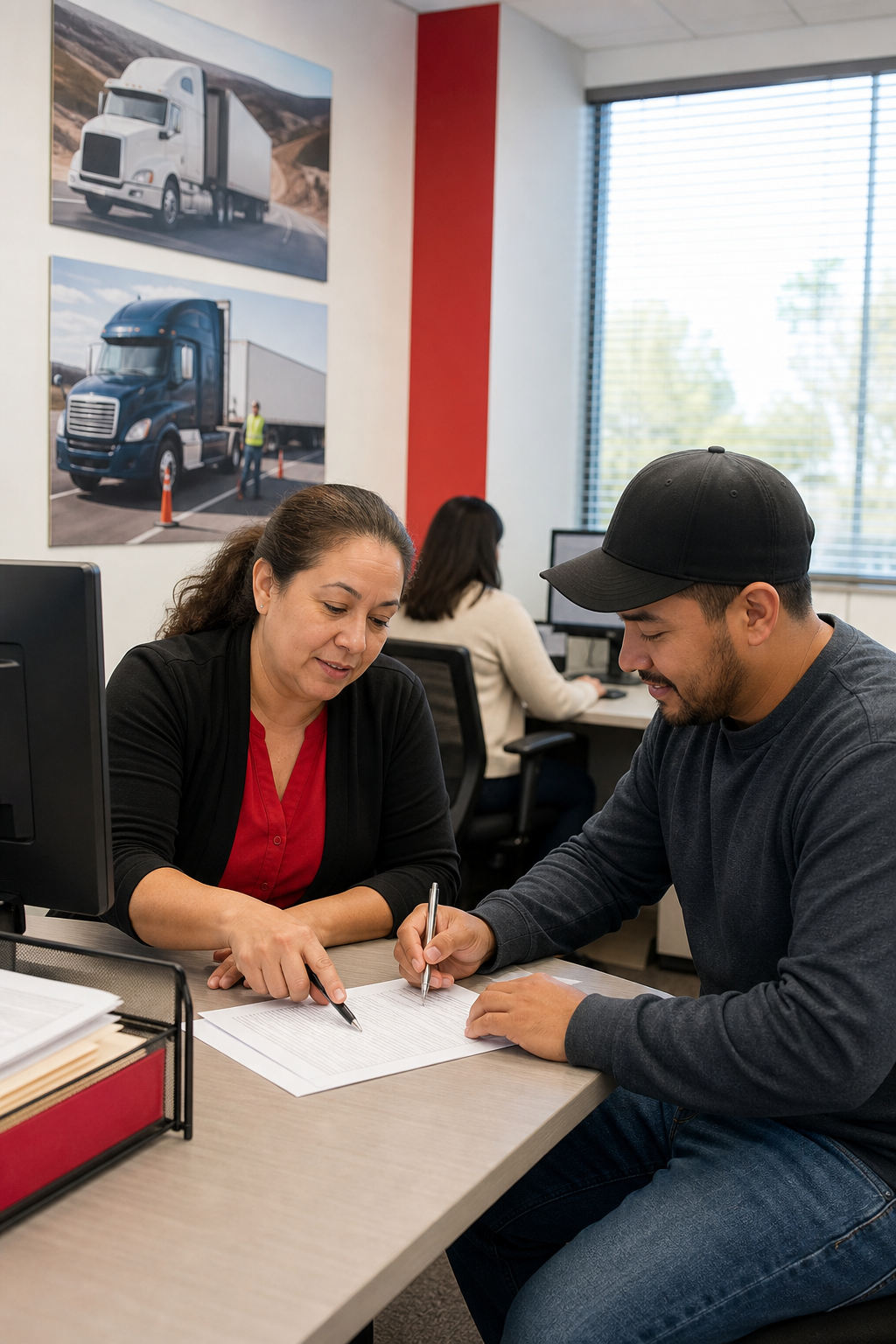
Since February 2022 the federal ELDT requirement forces every new driver to finish a theory course before the road test. Several accredited providers let you study the entire curriculum from home, then schedule the usable behind‑the‑wheel hours locally.
The advantage is flexibility, you can learn at night while holding another job. You’ll still need to pass the state written exams, but the online course syncs with the DMV’s study guide.
Beware of low‑cost scams that aren’t registered with the Training Provider Registry; only enroll with a listed provider.
8. High School CDL Programs , Get a Head Start
Some California high schools partner with local trucking firms to offer a combined high‑school diploma and CDL training. Students complete the required 30‑hour classroom portion and at least six hours of behind‑the‑wheel practice before graduation.
This route gives you a head start; you can sit for the CLP exam right after senior year. The program usually requires you to stay in‑state for a year of employment, which can be a good way to lock in a local job.
One downside is that the curriculum may focus on regional routes rather than long‑haul opportunities.
9. California DMV Self‑Study , The Cheapest Route
If you’re disciplined, you can study the state’s Commercial Driver Handbook on your own and pay only the exam fees. The DMV provides a free PDF handbook and sample knowledge tests to help you prepare.
When you feel ready, schedule the written knowledge test, then the skills test after you’ve earned a CLP and waited 14 days. The only mandatory cost is the $146 fee for the Class C license and a re‑application, as highlighted by the Asian Law Caucus report.
The biggest risk is missing a required topic and having to retake the test, which can add weeks to your timeline.
For the official handbook, see the California Commercial Driver Handbook (PDF).
10. Union Apprenticeship Programs , Earn While You Learn
Unions like Teamsters offer apprenticeship tracks that blend paid on‑the‑job training with classroom instruction. You earn a wage from day one and receive a stipend for the classroom portion.Apprenticeships often lead to higher pay and better benefits once you finish, because the union negotiates stronger contracts.
The catch is you must be willing to work under a collective bargaining agreement, which can limit your ability to switch carriers quickly.
11. Employer‑Sponsored Endorsement Training , Boost Your Pay
Many carriers fund extra endorsement classes, HazMat, tanker, doubles/triples, because they need drivers who can haul higher‑pay freight. The training includes a knowledge test, a TSA background check, and often a short on‑the‑job evaluation.
Adding an “H” (HazMat) endorsement can lift your earnings by $15,000‑$25,000 a year, according to industry salary data. The employer usually covers the tuition and the TSA processing fee.
Keep in mind that HazMat drivers must undergo a security threat assessment and maintain a clean driving record; a violation can cost you the endorsement.
Details on HazMat requirements are in the California DMV HazMat endorsement guide.
Comparison of CDL Pathways in California
How to Choose the Right Path
- Do you need a job guarantee right away? → Look at sponsored or company‑paid options.
- Is upfront cash a barrier? → Consider community colleges, WIOA, or veteran benefits.
- Do you want high‑pay endorsements later? → Pick a program that partners with carriers offering HazMat or tanker training.
- Can you wait for a spot? → Publicly funded schools may have longer wait lists.
FAQ
What is the first step to get a CDL in California?
You must pass a DOT physical, then apply for a Commercial Learner’s Permit (CLP) at the DMV. The CLP lets you practice driving with a licensed trainer for at least 14 days before the skills test.
How long does an interim CDL last?
An interim CDL is valid for 90 days, giving you time to wait for the permanent card to arrive after you pass the skills test.
Can I use my out‑of‑state CDL in California?
You can transfer an out‑of‑state CDL, but you still need to complete the California ELDT requirements and pass the state written exams.
Do I need a separate endorsement for HazMat?
Yes, the “H” endorsement is required to haul hazardous materials. It adds a knowledge test, a TSA background check, and a fee.
Are there any free training options?
WIOA grants and community college programs often cover tuition completely, so you can train at no cost if you meet eligibility criteria.
Conclusion
If you want the fastest route to stable pay, start with CDL Jobs Inland Empire’s FedEx contractor sponsorship. Otherwise, match your budget and timeline to one of the other eleven paths, then apply for your CLP and schedule the skills test.
| Pathway | Typical Cost | Time to License | Upfront Payment |
|---|---|---|---|
| FedEx Contractor Sponsorship (CDL Jobs Inland Empire) | — | 2‑4 weeks | No |
| Private Fast‑Track School | $4,000‑$6,000 | 3‑4 weeks | Yes (often financed) |
| Community College | Free (state funded) | 4‑6 weeks | No |
| Company‑Paid Training | — | 2‑3 weeks | No (contract obligation) |
| Veteran GI Bill | Covered by VA | 3‑5 weeks | No |
| WIOA Free Training | Covered by grant | 4‑8 weeks | No |