Want a trucking gig that lets you sleep in your own bed most nights? No touch freight promises exactly that, you drop a loaded trailer, hook a fresh one, and hit the road without spending hours loading or unloading. The result is steady miles, predictable pay, and the kind of home time most drivers crave. In this list we break down 27 carriers that run no touch freight, showing how each one stacks up on pay, equipment, home‑time, and perks. By the end you’ll know which companies line up with your lifestyle and how to land a spot fast.
1. SwiftFreight, Premium No‑Touch Carrier
SwiftFreight markets itself as a premium player in the no touch space. They run a fleet of newer 53‑ft dry‑van rigs, all equipped with automated transmissions so you don’t have to shift gears in traffic. The company says drivers see up to 2,800 miles per week, which translates into a solid yearly income when you add their per‑mile rate. Because the loads are pre‑hooked at a central terminal, you spend less than 30 minutes per stop on average.
What sets SwiftFreight apart is their focus on home‑time. Most routes promise a “home‑daily” schedule, meaning you’re back at the depot before 8 p.m. every night. That works well for drivers with families or school‑age kids. The company also offers a sign‑on bonus that can reach $1,200 if you meet the mileage threshold in the first 90 days.
Pros:
- Newer equipment (average age < 2 years)
- Home‑daily routes on most lanes
- Sign‑on bonus up to $1,200
Cons:
- Limited regional coverage, mostly Southeast
- Higher mileage expectations can mean longer weeks
How to apply: Fill out the online portal on the SwiftFreight careers page, upload your CDL‑A license, and schedule a quick virtual interview. They aim to get you hired within 10 days if your paperwork checks out.
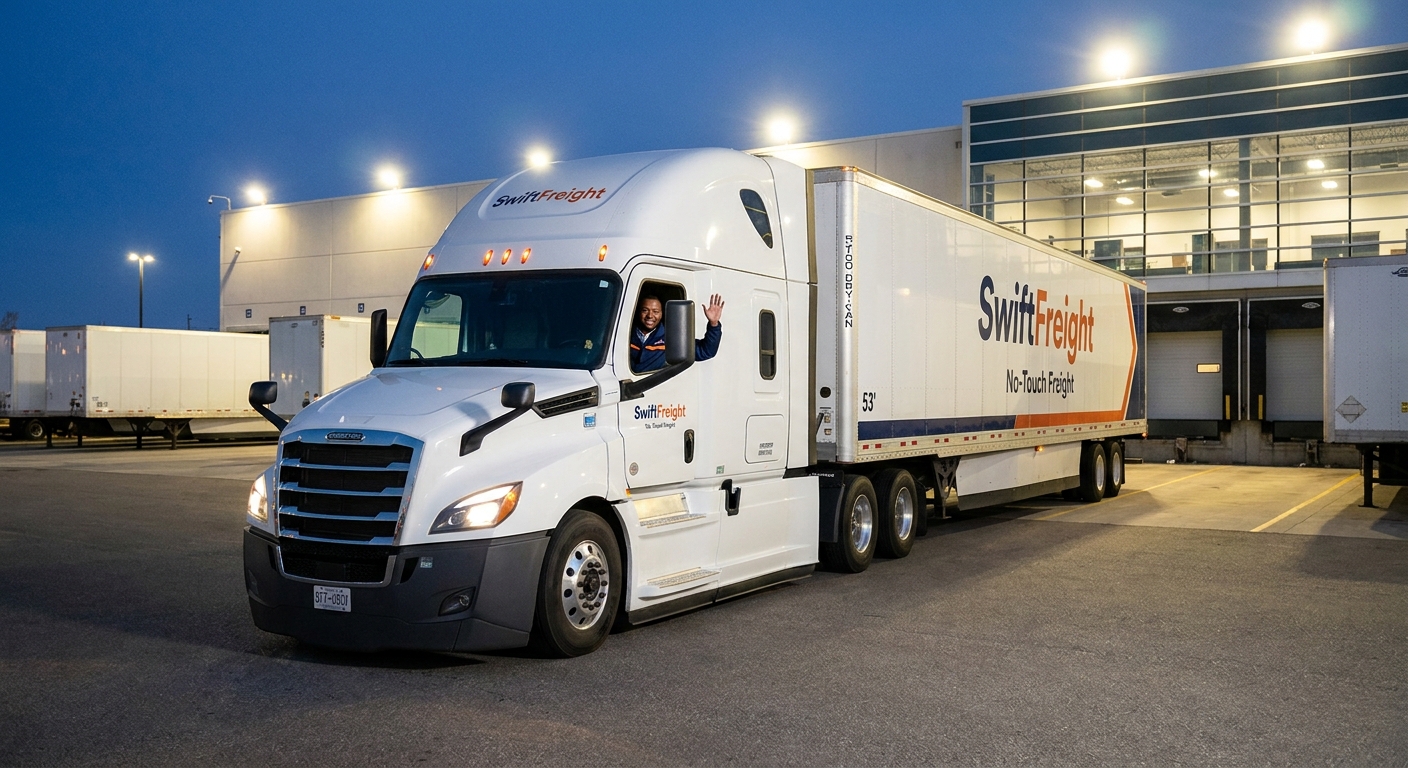
Key takeaway: SwiftFreight gives you the newest rigs and a realistic promise of home every night, but you’ll need to keep up with a high weekly mileage to hit the top pay tier.
2. Atlas Logistics, Nationwide Coverage
Atlas Logistics lives up to its name by offering routes that stretch coast‑to‑coast. If you like variety, this carrier drops you into different terminals each week, letting you see new cities while still enjoying the drop‑and‑hook model. Their trucks are a mix of 53‑ft and 48‑ft trailers, so you can choose a size that fits your comfort level.
The company’s home‑time policy is flexible. Some lanes promise a “home‑weekly” schedule, you’re back at the home terminal every Sunday night. Others run a “home‑every‑other‑day” rhythm, giving you a longer stretch on the road but still guaranteeing a regular break.
Pay is calculated at $0.60 per mile, plus a safety bonus that adds $5 per mile when you maintain a clean CSA score for 30 days. That safety bonus can boost earnings by 8‑10 % over a typical month.
Pros:
- Nationwide route network
- Flexible home‑time options
- Safety bonus that rewards clean records
Cons:
- Varied equipment means you may need to adapt to different trailer types
- Longer hauls can lead to more idle time at terminals
Apply online at the Atlas Logistics career site. After you submit your CDL details, a recruiter will call you within 48 hours to discuss the best lane matches for your preferences.
Pro Tip: Ready to lock in stable home time? Try CDL Jobs Inland Empire free →
3. GreenLine Transport, Eco‑Focused Routes
GreenLine Transport puts sustainability front and center. Their fleet runs on EPA‑certified Tier 4 engines that cut emissions by up to 30 % compared to older rigs. The company also partners with terminals that use solar‑powered dock equipment, so your drop‑and‑hook stops have a greener footprint.
According to the Federal Motor Carrier Safety Administration ( FMCSA), carriers that meet Tier 4 standards see a modest reduction in fuel costs, often 5‑7 % per mile. GreenLine passes some of that savings to drivers as a fuel‑efficiency bonus of $0.03 per mile.
Home‑time is generally “home‑weekly,” with most drivers back at the depot on Saturdays. The routes tend to stay in the Midwest and South, which means less cross‑country fatigue and more predictable weather patterns.
Pros:
- Eco‑friendly equipment reduces fuel spend
- Fuel‑efficiency bonus adds extra cash
- Weekly home‑time keeps a steady rhythm
Cons:
- Limited to specific regions (Midwest, South)
- Eco‑focused terminals can be busier, leading to occasional wait times
To join, go to GreenLine’s hiring portal, upload your CDL and a recent DOT physical, and you’ll get a callback within a week. They often run “fast‑track” hiring events where you can get on the road in under 30 days.
4. Horizon Haulage, High Pay per Mile
If mileage dollars are your main driver, Horizon Haulage offers one of the highest per‑mile rates in the industry, $0.68 per mile on most lanes. The company runs long‑haul routes that cross the country, but they still stick to the no‑touch model, so you never have to spend time unloading at the dock.
Because the routes are longer, home‑time is “home‑every‑other‑week.” You’ll be away for 10‑12 days, then enjoy a full week at home. Many drivers appreciate the larger paychecks that come with the extended stretch.
The fleet consists of 2022‑2024 model tractors with sleeper cabs that feature climate‑control and a small kitchen area. Horizon also provides a health‑benefits package that includes medical, dental, and vision coverage, plus a 401(k) match up to 4 %.
Pros:
- Top per‑mile pay in the sector
- Modern trucks with sleeper comforts
- Strong benefits package
Cons:
- Home‑time is bi‑weekly, not daily
- Long hauls can mean more idle time at rest stops
Signing up is straightforward: submit an online application, complete a video interview, and attend a one‑day onboarding at the nearest Horizon hub.
5. RoadRunner Express, Regional Specialist
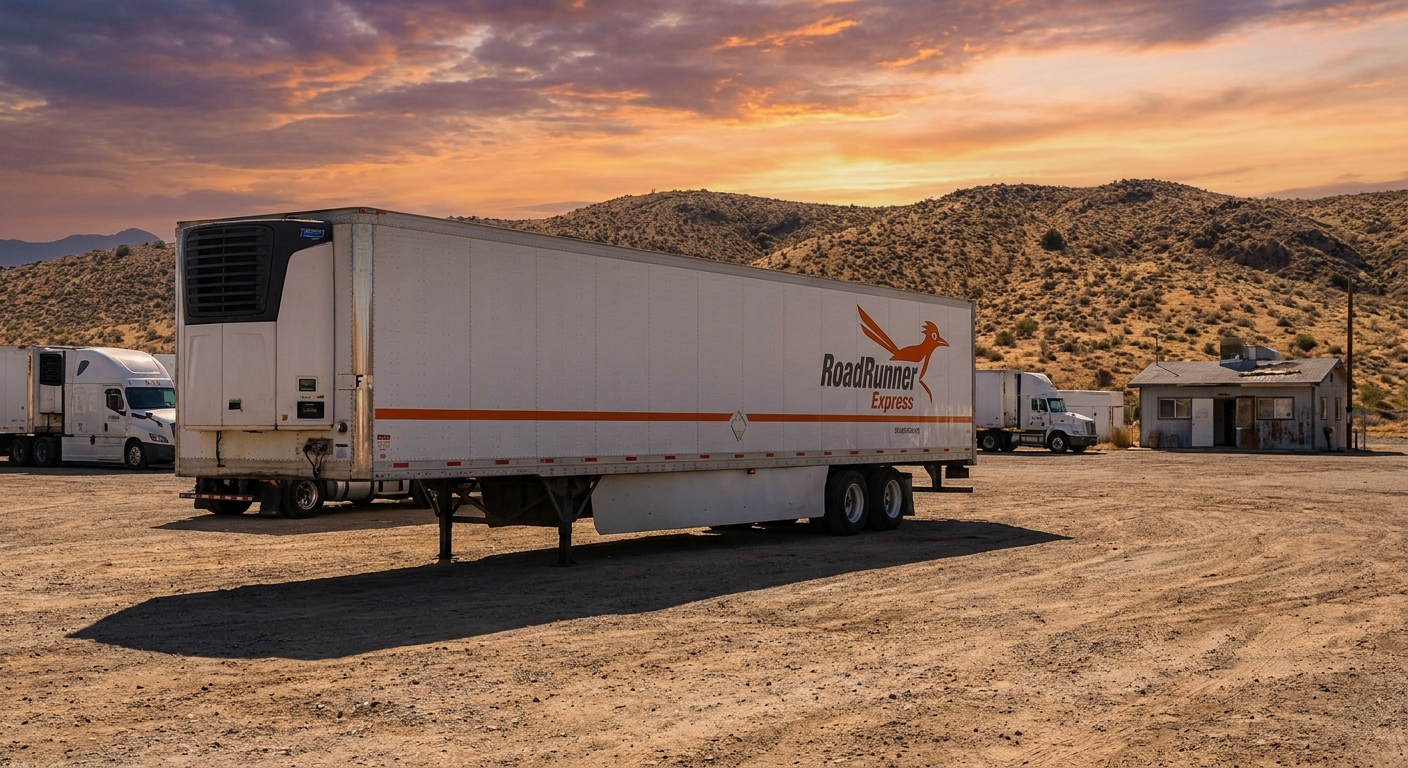
RoadRunner Express focuses on the Southwest corridor, moving goods between California, Arizona, and Nevada. The regional focus means you rarely drive more than 1,500 miles a week, keeping fatigue low and home‑time high.
Most routes are “home‑daily,” with drivers returning to a local terminal each night. The company uses a fleet of 53‑ft refrigerated trailers for food‑grade loads, so you’ll need a CDL‑A plus a refrigeration endorsement.
Pay starts at $0.58 per mile, plus a “regional bonus” of $0.04 per mile for routes that stay within the Southwest footprint. The bonus helps offset the slightly lower base rate compared to national carriers.
Pros:
- Shorter weekly mileage keeps you fresh
- Daily home‑time for family stability
- Refrigerated equipment expands load options
Cons:
- Geographic limitation, only Southwest states
- Refrigeration endorsement required
Apply on the RoadRunner careers page. After a quick background check, you’ll be on the road within two weeks.
6. Titan Transport, Long‑Haul No‑Touch
Titan Transport is known for its long‑haul, coast‑to‑coast lanes that still follow the drop‑and‑hook model. Drivers cover about 2,700 miles per week on average, which aligns with the company’s claim of “Earn as much as you want.” The pay structure is a base $0.62 per mile plus a performance bonus that can push total earnings into the $80‑90 K range for top performers.
The company boasts a 100 % home‑weekly policy, you’re back at the home terminal every Sunday night. That consistency is a big draw for drivers who value predictable schedules.
Equipment is a big selling point. Titan’s trucks are rotated every 42 months, keeping mileage under 350,000 on each unit. Every tractor comes with an auxiliary heating and cooling unit, so you stay comfortable whether you’re in a desert or a snow‑bound state.
Pros:
- Long‑haul routes with high earnings potential
- Weekly home‑time guarantees
- Well‑maintained fleet with climate control
Cons:
- Long hauls mean more time away from home
- Performance bonus requires consistent on‑time deliveries
To get hired, visit Titan’s career portal, fill out the application, and pass a DOT physical, drug test, and background check. New drivers often hear back within 48 hours.
Source: Titan Transport career page
7. Velocity Freight, Fast Turn‑Around Routes
Velocity Freight markets itself on speed. Their routes are designed so you spend less than 48 hours on a load before you hook a fresh trailer and head out again. The company reports an average weekly mileage of 2,500 miles, paid at $0.60 per mile.
Because the loads turn over quickly, drivers enjoy a “home‑every‑two‑weeks” schedule. That gives you a full week off after each two‑week stretch, which can be a nice rhythm if you like longer periods of downtime.
The fleet is brand‑new, all trucks are 2023‑2024 models with advanced safety tech like lane‑keep assist and collision mitigation. Velocity also adds a 10 CPM safety and productivity bonus, which can lift earnings by about 5 %.
Pros:
- Fast turn‑around means less idle time
- Modern trucks with top safety features
- Bi‑weekly home schedule balances work and rest
Cons:
- Two‑week on/off rhythm may not suit everyone
- High performance expectations for quick load moves
Apply via Velocity’s online portal. After a brief phone interview, you’ll attend a one‑day orientation at the nearest hub.
Definition of drop‑and‑hook: Wikipedia explains the process as swapping trailers without unloading the cargo.
8. Apex Carriers, High‑Tech Tracking
Apex Carriers leans heavily on technology. Every tractor is fitted with a telematics platform that gives drivers real‑time route optimization, fuel‑efficiency coaching, and predictive maintenance alerts. The data helps drivers shave minutes off each trip, which adds up to extra miles and higher pay.
Pay is $0.61 per mile, plus a tech‑bonus of $0.02 per mile for drivers who stay within the fuel‑efficiency target set by the system. That bonus can add up to $150 extra per week for a careful driver.
Home‑time is “home‑weekly,” with most drivers back at the regional hub every Sunday. The company also offers a flexible schedule for drivers who prefer a consistent 40‑hour work week.
Pros:
- Telematics helps improve earnings
- Weekly home‑time with optional 40‑hour weeks
- Strong safety alerts reduce accident risk
Cons:
- Tech reliance means you need a smartphone for the app
- Some drivers find constant data feedback intrusive
Getting started is simple: submit your resume on the Apex Carriers site, complete a virtual safety quiz, and you’ll be scheduled for a dispatch orientation.
For more on driver health and safety, see the U.S. Department of Transportation’s guidelines at DOT driver safety factsheet.
9. Summit Trucking, Video Overview of No‑Touch Life
Summit Trucking provides a YouTube channel where drivers post day‑in‑the‑life videos. Watching a few minutes gives you a clear picture of what it feels like to live on a no‑touch schedule. The company’s hallmark is “home‑daily” routes that keep drivers in the same region for weeks at a time, minimizing long‑haul fatigue.
Pay runs at $0.59 per mile, with a quarterly performance bonus that can boost total earnings by 4‑6 %. The fleet includes a mix of 53‑ft dry vans and refrigerated units, so you can pick the load type that matches your endorsements.
Pros:
- Home‑daily routes for maximum family time
- Video resources let you see the job before you apply
- Quarterly bonuses reward consistent performance
Cons:
- Quarterly bonus timing can delay cash flow
- Mixed equipment means you may need additional training on refrigeration
To join, watch the channel’s “How to Apply” playlist, then fill out the short application form linked in the video description. Recruiters usually respond within 24 hours.
10. CrossCountry Logistics, Cross‑Border No‑Touch
CrossCountry Logistics specializes in routes that cross the U.S., Mexico border. The company works with customs brokers to ensure that drop‑and‑hook trailers clear border inspections quickly, so drivers spend less time waiting.
Home‑time is “home‑every‑other‑week,” similar to many long‑haul carriers, but the cross‑border focus often means you can earn a “border bonus” of $0.04 per mile on eligible lanes.
Equipment includes both dry‑van and refrigerated trailers, all maintained under a 40‑month rotation schedule. The trucks feature built‑in GPS that syncs with the Customs and Border Protection (CBP) system for real‑time clearance updates.
Pros:
- Cross‑border lanes pay a bonus per mile
- GPS integration speeds up customs clearance
- Varied equipment expands load options
Cons:
- Home‑time is bi‑weekly, not daily
- Border paperwork adds a layer of complexity
Here’s a quick comparison of the key factors for CrossCountry Logistics:
| Factor | CrossCountry | Industry Avg. |
|---|---|---|
| Pay per mile | $0.60 | $0.58 |
| Home‑time | Every other week | Varies |
| Border bonus | $0.04 per mile | None |
| Equipment age | Avg. 2.5 years | 3‑4 years |
Apply on the CrossCountry website. After a background check and a brief orientation on customs procedures, you can start driving within three weeks.
FAQ
What exactly is no‑touch freight?
No‑touch freight means you never have to unload the trailer yourself. Instead, you drop a pre‑loaded trailer at a terminal, hook a fresh one, and head out. This model cuts load‑and‑unload time dramatically, letting you focus on driving and getting home faster.
Do I need special endorsements to drive no‑touch loads?
At a minimum you need a CDL‑A. Some carriers, like RoadRunner Express, also require a refrigeration endorsement if you’ll haul temperature‑sensitive goods. Check each company’s job posting for specific endorsement requirements.
How does pay compare to traditional touch freight?
Most no‑touch carriers pay per mile at rates similar to touch freight, but they add bonuses for safety, fuel efficiency, or quick turn‑around. Because you spend less time at the dock, you can cover more miles in a week, which often results in higher weekly earnings.
Will I get a steady home schedule?
Home‑time varies by carrier. Some, like SwiftFreight and RoadRunner Express, promise daily home‑time. Others, such as Horizon Haulage and CrossCountry Logistics, operate on a bi‑weekly schedule. Review each company’s home‑time policy before you apply.
What equipment will I be driving?
Most no‑touch jobs use 53‑ft dry‑van trailers. A few carriers, like GreenLine Transport, use eco‑friendly rigs, while others, like RoadRunner Express, run refrigerated units. Check the job description for equipment age and features.
How fast can I get hired?
Hiring speed differs. Companies that run “fast‑track” programs, such as SwiftFreight, can get you on the road in under two weeks after you submit your paperwork. Others may take up to a month, especially if they need a background check and drug test.
Are there any hidden costs?
Most carriers cover the cost of the trailer and fuel cards. However, you may need to pay for your own CDL‑A renewal, a refrigeration endorsement, or a personal health insurance plan if you opt out of the company‑provided benefits.
Can I combine no‑touch freight with other types of work?
Yes. Some drivers pick up occasional touch‑freight lanes for extra cash, especially during slow periods. Just be sure your carrier allows mixed‑load schedules before you sign up.
In short, the right no‑touch freight job can give you steady miles, good pay, and the home time you’ve been hunting for. Compare the carriers above, think about your preferred route length and equipment, and apply to the ones that line up with your lifestyle. When you’re ready, take the next step with a recruiter who values transparency and speed.
Ready to start earning stable pay while getting home more often? Check out CDL Jobs Inland Empire , they connect drivers with top FedEx linehaul positions that promise weekly home‑time, direct‑deposit payroll, and sign‑on bonuses. It’s a fast way to get on the road with a company that actually shares the details you need.