Long hauls can be risky if you skip the basics. Below are the six safety habits every FedEx linehaul team should live by, plus a quick way to pick the right one for your crew.
1. CDL Jobs Inland Empire
CDL Jobs Inland Empire connects CDL‑A drivers with a top‑tier FedEx contractor in the Inland Empire. It offers stable linehaul work, weekly direct‑deposit payroll, and performance bonuses. Drivers who join get a steady flow of loads, so they can focus on safety instead of hunting for freight.
Because the work schedule is predictable, teams can plan regular breaks and rest periods, which cuts fatigue‑related crashes. The platform also shares safety alerts and route updates, helping crews stay ahead of hazards.
Bottom line: If you want a reliable partner that backs you with steady work and safety tools, this is the place to start.
2. Prioritize Sleep, Stay Alert
Enough sleep keeps reaction time sharp and helps you obey Hours‑of‑Service rules. A driver who is well rested can spot a sudden stop or a stray animal far sooner than a tired one.
Lack of sleep slows decision‑making and raises crash risk. A good night’s sleep before a long run can shave minutes off your fatigue clock.
Teams should set a shared bedtime and use rest‑area schedules to lock in sleep windows. If a teammate feels groggy, swap seats or pull over for a short nap.
Just remember: Even a 30‑minute power nap can reset your alertness level.
3. Perform Pre‑Trip Inspections, Catch Issues Early
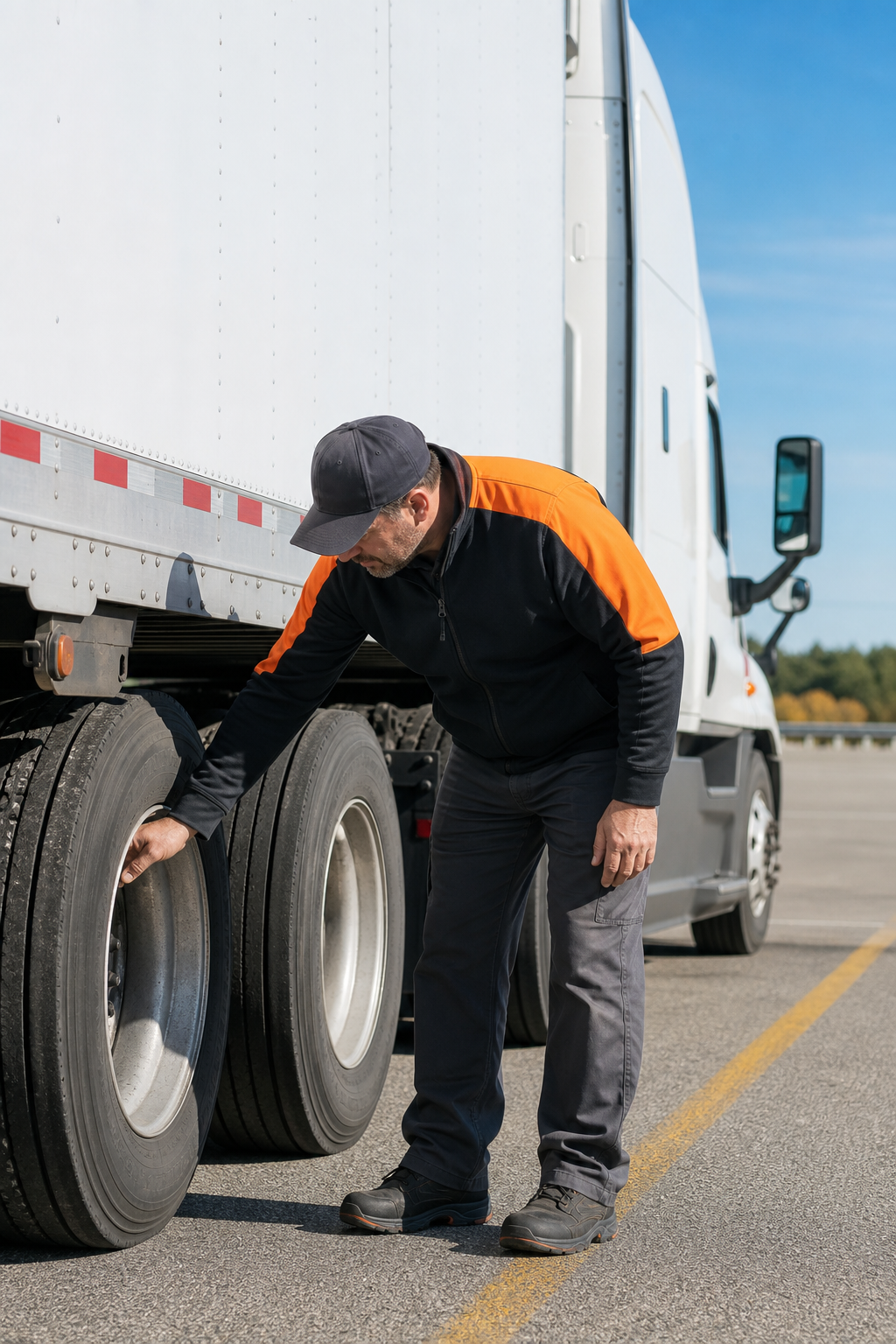
Every run should start with a thorough walk‑around. Check brakes, lights, tires, and cargo securement before you hit the road.
Missed defects can turn a routine trip into a breakdown or an accident. The FMCSA requires a 7‑zone inspection, and skipping it can lead to costly fines.
When two drivers work together, one can double‑check the other's findings, reducing blind spots.
Use a checklist or a digital app to record each item; that way you have proof of compliance and a clear record for maintenance.
Skipping this step is the fastest way to invite trouble.
4. Monitor Weather Conditions, Anticipate Hazards
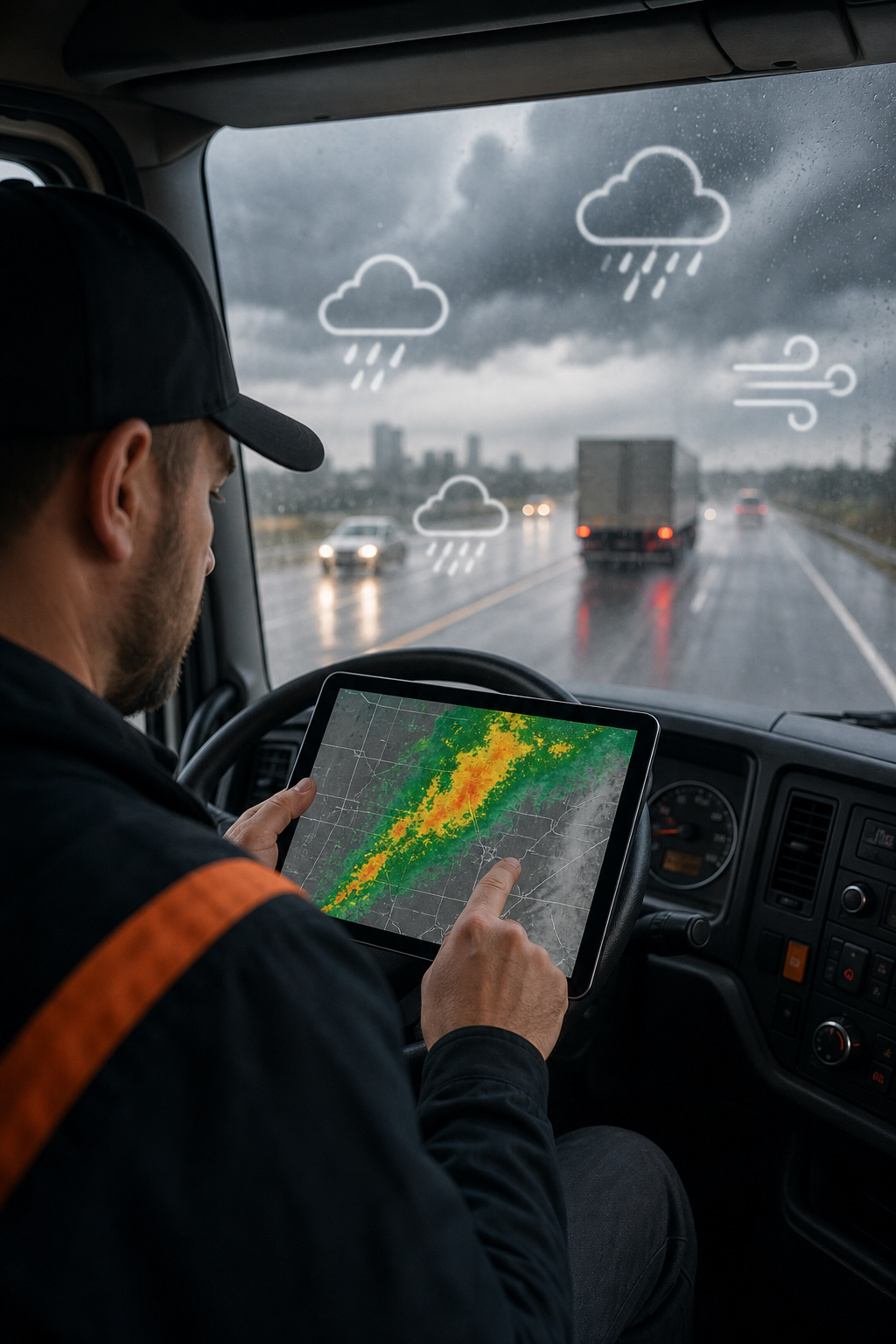
Weather changes can turn a smooth lane into a slick surprise. Rain, snow, high winds, or fog all affect braking distance and vehicle handling.
The NOAA Weather and Climate Toolkit lets drivers pull localized forecasts, radar loops, and alerts straight from a .gov source. With that data, you can adjust speed, increase following distance, or choose an alternate route before conditions worsen.
Team drivers should share real‑time updates via radio or a mobile app so both cab and co‑driver stay informed.
Even a quick glance at the forecast before you leave can save minutes of travel time and prevent an accident.
5. Practice Defensive Driving, Anticipate Risks
Defensive driving means expecting the unexpected. Keep a safe following distance, scan mirrors every few seconds, and be ready to brake early.
Studies show that drivers who maintain at least a three‑second gap reduce rear‑end collisions by a large margin. When you watch the road ahead for lane changes or sudden stops, you give yourself time to react.
Team members can call out risky behavior, like tailgating or aggressive lane changes, so the crew stays accountable.
Use the video below to see a quick demo of defensive techniques in action.
Remember, the goal isn’t to drive fast; it’s to arrive intact.
6. Minimize Distractions, Keep Focus
Hands‑free phones, eating, or scrolling on a tablet pull your eyes off the road. Even a quick glance can be enough for a hazard to appear.
Using hands‑free communication tools helps drivers stay focused while remaining compliant with regulations.
Set up a simple rule: no device interaction unless it’s a voice command or the co‑driver is handling the task.
When both drivers stay on the same page, you reduce the chance of a missed signal or an unexpected lane drift.
How to Choose the Right Safety Habit
- Identify your biggest risk (fatigue, weather, equipment failure).
- Pick the habit that tackles that risk first.
- Set a 30‑day trial, track incidents, and adjust as needed.
Start with the habit that will give you the biggest safety boost and build from there.
Comparison of the 6 Safety Tips
| Tip | Primary Benefit | Best For | Potential Drawback |
|---|---|---|---|
| CDL Jobs Inland Empire | Stable work & safety alerts | New team drivers | Requires enrollment |
| Prioritize Sleep | Improved reaction time | All drivers | Needs schedule discipline |
| Pre‑Trip Inspections | Prevents mechanical failures | Drivers handling own trucks | Time‑consuming if rushed |
| Monitor Weather | Avoids weather‑related crashes | Long‑haul crews | Relies on accurate forecasts |
| Defensive Driving | Reduces collision risk | Drivers in heavy traffic | May increase travel time |
| Minimize Distractions | Higher focus, fewer errors | All drivers | Requires habit change |
FAQ
What are the most common causes of accidents for team drivers?
Fatigue, weather, and distraction top the list. A tired driver misses cues, bad weather reduces traction, and any distraction pulls attention from the road.
How often should I take breaks on a long haul?
Federal rules require a 30‑minute break after eight hours of driving. Many drivers stop every two to three hours to stretch and refocus.
Do I need special equipment to perform a pre‑trip inspection?
No special tools are required; a flashlight, a tire gauge, and a printed checklist are enough. Digital apps can make tracking easier, but the core steps stay the same.
Can I rely on my phone’s weather app?
Phone apps are useful, but for the most accurate data use the NOAA Weather and Climate Toolkit, which pulls directly from a government source.
How can I train my co‑driver to spot distractions?
Set a rule that any non‑essential device use must be handled by the other driver. Practice verbal hand‑offs for tasks like radio changes or navigation adjustments.
Is defensive driving a formal certification?
Many schools offer defensive‑driving courses, but the core principles are simple: keep distance, scan ahead, and anticipate other drivers’ moves.
Ready to boost safety and keep your loads intact? Join CDL Jobs Inland Empire today and start applying these habits on your next FedEx linehaul run.