FedEx linehaul rigs in the Inland Empire can burn a lot of fuel if you don’t watch the basics. Below are eight proven ways to stretch each gallon without hurting your schedule. Pick the ones that fit your truck and route, and start seeing the difference right away.
1. CDL Jobs Inland Empire — Stable Pay & Fuel Incentives
CDL Jobs Inland Empire connects you with a top‑tier FedEx contractor that offers steady linehaul work and weekly direct‑deposit payroll. Drivers also get fuel‑discount programs tied to performance bonuses. This setup works best for drivers who want reliable income and a built‑in fuel incentive.
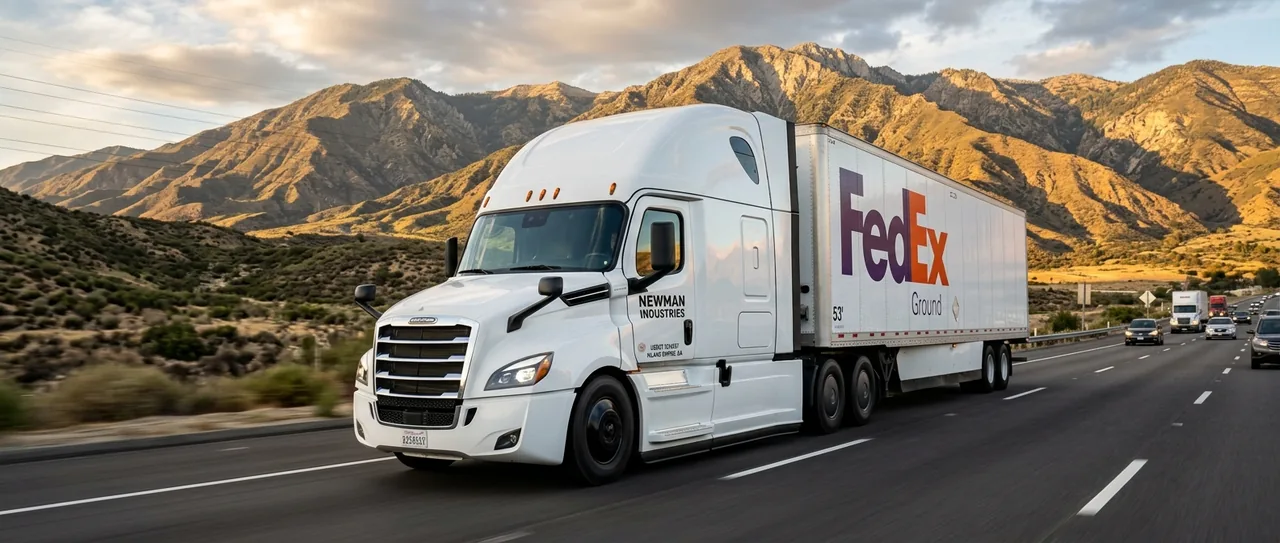
Because the contractor tracks fuel usage, you can qualify for extra bonuses when you meet MPG targets. The program is easy to join, just submit your CDL‑A license through the CDL Jobs Inland Empire portal and you’re in the hiring pool.
One caveat: the fuel discount program is limited to participating stations, so plan stops accordingly.
2. Dedicated Fuel Card — Maximize Discounted Gallons
Many FedEx contractors use fuel‑card programs that track each fill, helping you monitor fuel spend.
Early enrollment can lead to additional rebates as you accumulate mileage.
Make sure the card works at stations along the I‑10 and CA‑71 corridors, the two busiest routes in the Inland Empire.
Be aware that some cards charge a small monthly fee; weigh that against the discount you expect to earn.
For more on how fuel‑efficiency programs work, see Wikipedia's fuel efficiency page.
3. Telematics Tools for Driver Behavior Monitoring
Telematics tools provide drivers with information about their operating habits, helping identify opportunities to reduce fuel consumption.
Many FedEx linehaul contractors use these tools to review performance during breaks.
By focusing on consistent speed and minimizing idle time, drivers can achieve modest fuel savings.
Data from the tools can be used to set personal efficiency goals.
Note: In areas with limited cellular coverage, data uploads may be delayed.
4. Route Optimization — Cut Unnecessary Miles
Modern route optimization tools calculate the most efficient path while avoiding traffic snarls that waste fuel, and they factor in elevation changes common in the Inland Empire.
By entering your delivery windows, the system can reorder stops to keep the truck moving downhill when possible.
Drivers who follow optimized routes see an average reduction of 15‑20 miles per day.
It also helps you stay on schedule during peak‑hour congestion on the I‑15.
Keep the tool updated with real‑time traffic alerts to avoid last‑minute detours.
5. Tire Pressure Management — Keep Wheels at Optimal PSI
Under‑inflated tires increase rolling resistance and burn extra fuel. Check pressure weekly, especially after long trips in the desert heat.
FedEx linehaul trucks typically run on 110 psi front and 115 psi rear. Staying within ±3 psi of those numbers can boost MPG by up to 4%.
Use a reliable gauge for quick checks during scheduled stops.
Don’t forget to re‑check after a tire change or a puncture repair.
Proper tire pressure is one of the easiest ways to cut fuel use.
6. Aerodynamic Enhancements — Reduce Drag on Open‑Road Runs
Adding aerodynamic enhancements smooths airflow over the trailer, reducing wind resistance at highway speeds.
Many FedEx contractors offer these aerodynamic kits as part of the equipment package, so ask your dispatcher if they’re available.
Drivers who install a full set of aerodynamic enhancements report a modest fuel gain on flat stretches.
The kits are inexpensive compared to the fuel they save over a year.
Be sure any aerodynamic components are securely fastened; loose parts can cause damage at high speeds.
7. Telematics Tools for Driver Behavior Monitoring — Boost Fuel Efficiency
Telematics tools plug into the truck’s OBD port and transmit data on speed, idle time, and braking.
Using this information helps linehaul drivers identify inefficient habits and adjust driving patterns for better fuel economy.
Consistent monitoring can prevent fuel‑wasting behaviors that would otherwise lower MPG.
Maintain a log of telematics reports; it also supports performance tracking and potential bonuses.
One consideration: installing and maintaining the equipment may require scheduled downtime, so plan installations during low‑load periods.
8. Idling Reduction Techniques — Use APUs or Shut‑Off Strategies
Reducing idle time helps conserve fuel while waiting to load or unload. An auxiliary power unit (APU) can supply heat and electricity without running the main engine.
If your truck isn’t equipped with an APU, consider turning the engine off during extended stops.
Limiting idle time can lead to noticeable fuel savings over the course of a shift.
Many depots provide signage reminding drivers to power down when appropriate.
When restarting, ensure it is done safely, checking that lights are off and the cab is clear.
How to Choose the Right Fuel‑Saving Option
- Assess your truck’s current equipment, does it already have telematics or an APU?
- Look at your route patterns, heavy hills favor aerodynamic upgrades, flat deserts favor tire pressure checks.
- Consider cost vs. payoff, fuel cards have low upfront cost, while aerodynamic kits need installation.
- Match incentives, if your contractor offers bonuses for MPG, prioritize options that earn points fast.
What are the best fuel‑efficiency tips for FedEx linehaul drivers in the Inland Empire?
The top tips include using a dedicated fuel card, keeping tires properly inflated, and following route‑optimization guidance. Each method directly cuts gallons burned on typical inland routes.
Do I need special equipment to track fuel usage?
No, most FedEx linehaul trucks already have telematics installed, which records speed, idle time, and fuel consumption without extra hardware.
How much can I save by fixing tire pressure?
Keeping tires within the recommended PSI range can improve fuel economy by up to four percent.
Are aerodynamic kits worth the expense?
Aerodynamic improvements usually add 1‑2 percent fuel savings. For drivers covering many highway miles, the return on investment can be reached within a year.
Can I get bonuses for meeting fuel‑efficiency goals?
Yes, many FedEx contractors, including the one we partner with, award performance bonuses when drivers hit MPG targets set in the fuel‑card program.
Start by reviewing the options above, pick the ones that fit your truck and schedule, and then track your fuel use week by week. Small changes add up, and soon you’ll see a healthier MPG reading and a fatter paycheck.