Truck drivers see sign‑on bonuses flash across job boards like neon lights. It feels good to see $2,000 or more waiting for you, but the fine print often hides hidden costs. In 2026 the market is buzzing again, and a clear picture helps you keep more cash and avoid pitfalls. In this list you’ll learn how bonuses differ, what you must qualify, red‑flag warnings, tax tricks, and a ready‑to‑use checklist. By the end you’ll be able to compare offers side‑by‑side and pick the deal that actually pays off.
1. Bonus Payout Structures, Upfront vs. Gradual
Some carriers hand you the full amount the moment you sign on. Others spread it over months, tying each payment to miles, safety scores, or tenure. An upfront bonus gives you cash flow right away, you can cover your truck’s initial expenses, pay for a new set of tires, or simply boost your bank balance before the first paycheck hits.
Gradual payouts can look tempting on paper because the total amount may be larger. But they often come with hidden strings: you might have to stay for six months, meet a mileage target, or keep a perfect safety record. Miss one of those, and the remaining checks disappear.
Here’s a quick comparison:
- Upfront:Cash in hand day one. No claw‑back if you leave early (unless you signed a repayment clause).
- Gradual:Bigger headline number, but you risk losing part of it if you fall short of the milestones.
- Hybrid:A smaller upfront chunk plus later installments, a middle ground that many carriers use.
When you weigh offers, ask yourself how much you need right now versus how confident you are you’ll meet the later requirements. If you’re a new CDL‑A driver, the immediate cash can cover your training fees, making an upfront bonus a real advantage.
According to Wikipedia’s sign‑on bonus overview, many industries use upfront payments to attract talent, but the terms vary widely. In trucking, the fastest cash flow often wins the day.
Think about it this way: you get $2,000 today, you can invest it in a set of fuel‑efficient tires that may save $0.12 per mile. Over a 5,000‑mile month that’s $600 saved, a clear win.
Key Takeaway: An upfront bonus improves cash flow instantly, while a gradual plan can cost you if you miss a milestone.
2. Eligibility Requirements, Do You Qualify?
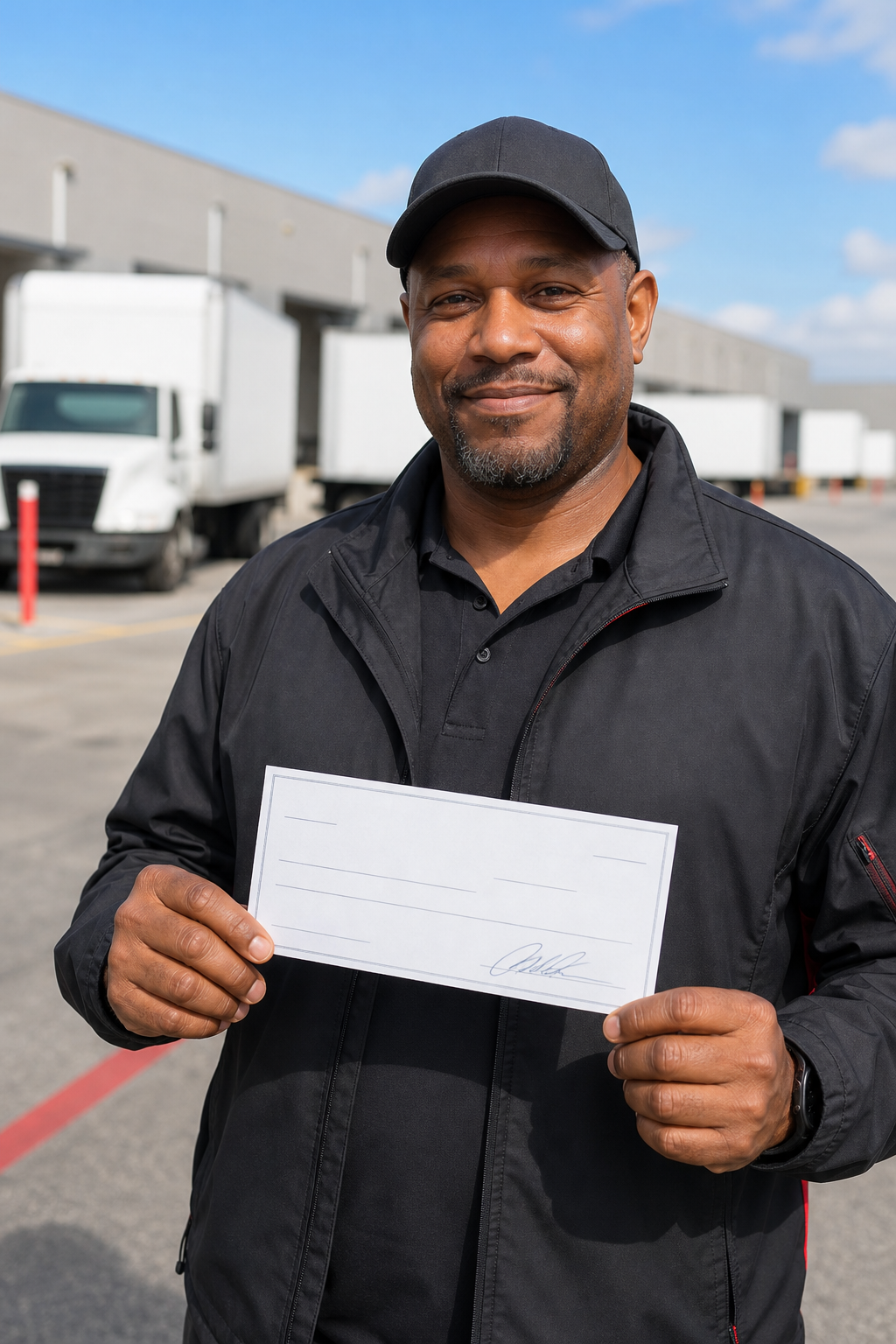
Every sign‑on offer starts with a set of eligibility rules. Most companies require a clean CDL‑A license, a good driving record, and a minimum of 1‑2 years experience. Some also ask for a background check, drug test, and proof of legal work status.
Newman FedEx Contractor, the recruiter behind CDL Jobs Inland Empire, does not demand prior FedEx experience. They do run an E‑Verify check to confirm you’re eligible to work in the U.S. You can read more about the process on the U.S. Department of Homeland Security E‑Verify page. If you have a valid CDL‑A and a clean DOT record, you’ll likely meet the baseline.
Don’t forget the paperwork. You’ll need:
- CDL‑A license copy
- Motor Vehicle Record (MVR) report
- Proof of citizenship or work visa
- Recent DOT drug test result
Once you’ve gathered those, the recruiter will schedule a quick orientation. The orientation can be virtual, and the whole process often finishes in less than an hour.
We’ve placed the link to our own platform right here so you can see the exact steps. Apply with CDL Jobs Inland Empire to start the eligibility check instantly. The site walks you through each document, and you can upload everything in a secure portal.
Remember, eligibility is the gatekeeper. If you miss a single item, the bonus never materializes.
Pro Tip: Keep a digital copy of your MVR and drug test result on your phone. Recruiters love fast uploads, and you’ll look prepared.
3. Red Flags and Common Scams
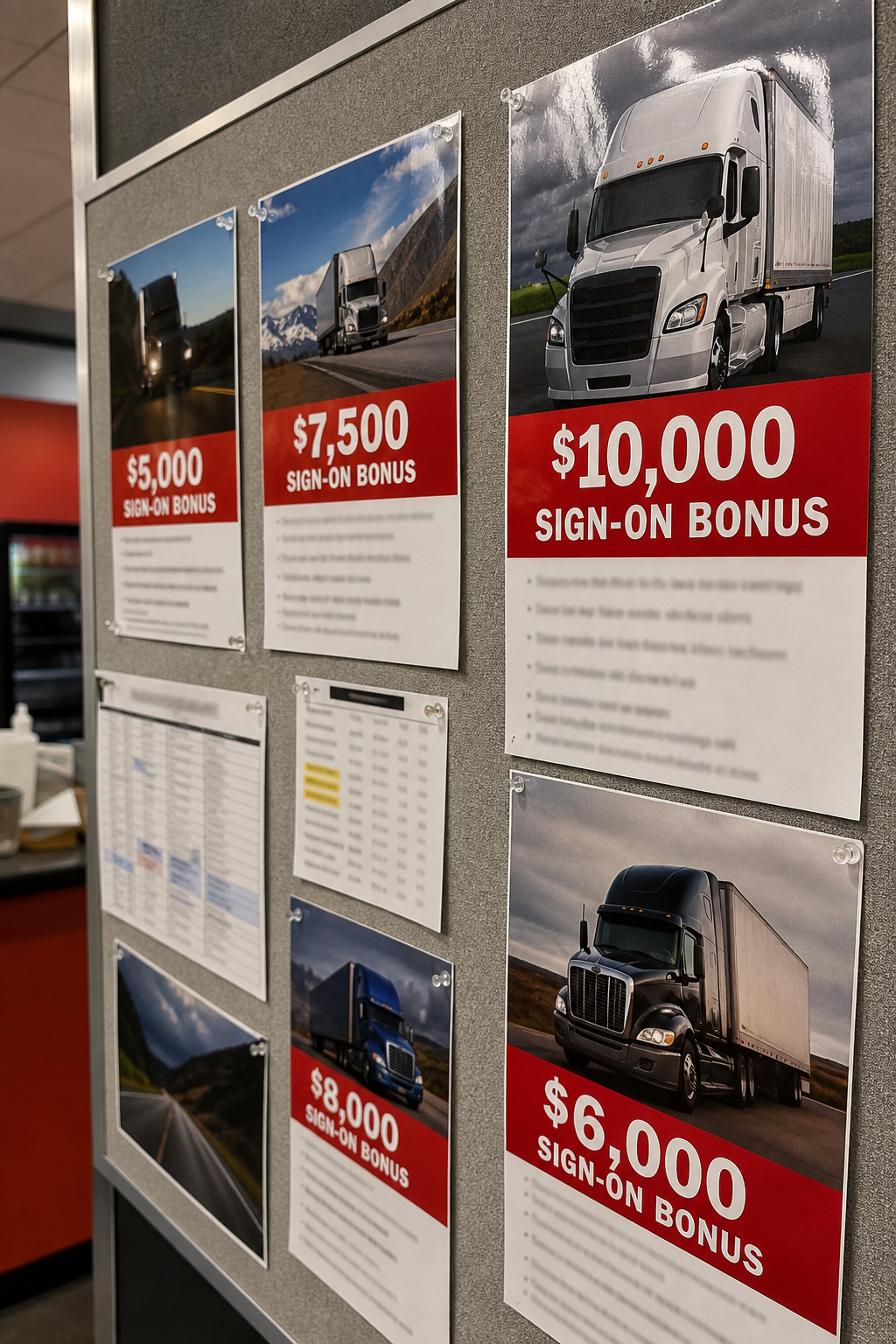
Not every “$10,000 sign‑on” promise is real. Scammers often lure drivers with huge numbers, then hide the fact that the pay per mile is well below market, or that you’ll be stuck paying the bonus back at $50 a week.
Here are the top warning signs:
- They ask for money up front for training, uniforms, or placement fees.
- The advertised bonus is paid over years, but the contract ties you to a low CPM rate that makes the total earnings lower than a standard driver job.
- The recruiter cannot give you a written bonus agreement or refuses to explain the repayment clause.
Legitimate carriers, like the FedEx contractor we work with, never ask you to pay for a bonus. They provide a clear written offer, and the bonus is either paid on day one or outlined with exact milestones.
“Signing bonuses may help attract talent but aren't without some traps for the unwary,” notes the Society for Human Resource Management ( SHRM article on signing‑bonus drawbacks). The article warns that undisclosed repayment clauses can turn a bonus into a debt.
“If a company asks you to pay for a bonus, walk away.” , industry veterans
To protect yourself, always request a written contract, verify the company’s DOT number on the FMCSA website, and ask current drivers for their experiences.
Bottom line: If something feels too good to be true, it probably is. Trust offers that are transparent and backed by a reputable recruiter.
4. Financial and Tax Considerations
A sign‑on bonus is taxable income. If you’re an employee (W‑2), the amount gets withheld like regular pay. If you’re an owner‑operator (1099), you’ll owe self‑employment tax on the full amount.
The IRS lets you deduct many trucking‑related expenses on Schedule C, which can offset the bonus tax hit. Common deductions include fuel, meals (80% for long‑haul drivers), lodging, insurance, and even the cost of a new set of safety gear.
Here’s a quick tax‑saving checklist:
- Track every receipt, fuel, tolls, meals, lodging.
- Keep mileage logs separate from personal use.
- Claim per‑diem for meals where eligible, the IRS allows a higher percentage for DOT‑regulated drivers.
- Deduct health‑insurance premiums on Schedule 1 if you’re self‑employed.
According to the IRS official site, long‑haul drivers can deduct 80% of actual meal costs, not just the standard 50% most workers claim. That can shave a few hundred dollars off the tax bill.
Pro Tip: Use a dedicated accounting app for drivers. It keeps receipts organized and makes filing Schedule C a breeze.
When you compare offers, factor the after‑tax value of the bonus. A $2,000 upfront bonus taxed at 22% leaves you with about $1,560. A $5,000 gradual bonus spread over a year might net less after taxes if you’re in a higher bracket.
Bottom line: Knowing the tax impact helps you see the real profit from any sign‑on deal.
5. Quick Checklist: Questions to Ask Before Accepting
Before you sign the dotted line, run through this short list. It keeps you from missing hidden clauses and ensures the bonus truly adds value.
- Is the bonus paid upfront, or is it tied to mileage, safety, or tenure?
- What is the exact dollar amount and the payout schedule?
- Are there repayment clauses if I leave early? If so, how is the amount calculated?
- Does the offer include any performance bonuses, such as monthly safety bonuses?
- What documentation will I need to provide for eligibility?
- How does the bonus affect my tax situation, will it be withheld at source?
- Is the recruiting company E‑Verify compliant and does it have a valid DOT number?
- Can I speak with a current driver who received the same bonus?
Answer each question honestly. If any answer feels vague, ask for written clarification before you accept.
FAQ
What is a sign‑on bonus and why do truck driver sign on bonus companies offer them?
A sign‑on bonus is a one‑time cash incentive given to lure a driver into joining a carrier. Companies use them to fill vacancies quickly, especially when driver shortages persist. The money helps cover training, equipment, or simply boosts a driver’s net pay in the first weeks.
How is the bonus taxed for a CDL‑A driver?
If you are an employee, the bonus is added to your regular wages and taxed at your marginal rate. If you are a 1099 owner‑operator, you’ll owe self‑employment tax on the full amount. Deductions for fuel, meals, and equipment can lower the taxable income.
Can I receive a bonus if I already have a FedEx badge?
Yes. Many FedEx contractors, including the Newman partner we work with, do not require prior FedEx experience. They only need a valid CDL‑A and a clean driving record.
What happens if I leave the company before the bonus schedule ends?
Most contracts include a claw‑back clause. You may have to repay a prorated portion of the bonus, or the remaining installments simply stop. Always ask for the exact repayment formula in writing.
Are there any hidden fees I should watch for?
Legitimate carriers never ask you to pay a fee to receive a sign‑on bonus. If a recruiter asks for upfront money for training, uniforms, or placement, that’s a red flag and likely a scam.
Do sign‑on bonuses affect my base pay?
The bonus is separate from base pay. However, some carriers may offer a lower CPM rate to offset the bonus cost. Compare the total compensation package, not just the headline bonus.
How can I verify a truck driver sign on bonus company’s reputation?
Check the carrier’s DOT number on the FMCSA website, read reviews on driver forums, and ask current drivers for their experience. A transparent recruiter will gladly provide references.
What tax forms will I receive for a sign‑on bonus?
Employees get a W‑2 showing the bonus in Box 1. Owner‑operators receive a 1099‑NEC if the bonus exceeds $600. Both forms are used when filing your 2026 tax return.
Conclusion
Signing up for a truck driver bonus can feel like a jackpot, but the real win comes from understanding the fine print. Upfront payouts give you cash when you need it most, while gradual plans can hide extra work. Eligibility rules are simple but must be met exactly, and any red‑flag, like a request for an upfront fee, should send you walking. Tax considerations can shave a few hundred dollars off your take‑home, so track every receipt and use the deductions the IRS allows. Finally, run the quick checklist before you sign anything.
When you weigh the options, the Newman FedEx Contractor’s $2,000 immediate bonus stands out for cash flow, transparency, and a built‑in safety bonus for both solo and team drivers. If that matches your goals, head over to CDL Jobs Inland Empire and start the fast‑track hiring process. Your next mile could be the start of a steadier paycheck and a safer, more rewarding driving career.