FedEx linehaul drivers in the Inland Empire get a monthly equipment allowance that can boost take‑home pay. Below we break down what the allowance is, how it’s calculated, tax tricks, and the full pay picture.
Understanding the Equipment Allowance
The allowance is a flat dollar amount FedEx gives each linehaul driver to cover the cost of a truck, trailer, and related gear. It’s meant to offset depreciation, insurance, and routine maintenance. Drivers who lease or own their rig receive the same amount, so the net effect on cash flow is similar across the board.
FedEx sets the figure each fiscal year based on regional cost‑of‑living data and average vehicle expenses. In the Inland Empire the allowance is provided as a regular monthly amount, as outlined in the company’s driver handbook. Allowances are part of the broader compensation package for linehaul staff.
We at CDL Jobs Inland Empire match drivers with contractors that honor the full allowance, so you never miss out on the cash that’s built into your paycheck.
Calculation Method for the Inland Empire Allowance
FedEx calculates the allowance using a simple formula: Base Rate + Regional Adjustment, Tax Withholding. The Base Rate is a national standard set by FedEx corporate. The Regional Adjustment reflects higher vehicle expenses in the Inland Empire, such as insurance premiums and fuel prices.
For example, the allowance combines a base rate with a regional adjustment, resulting in a gross amount before taxes. From that amount, FedEx withholds federal and state taxes based on your W‑4 settings. The net amount lands in your paycheck each month.
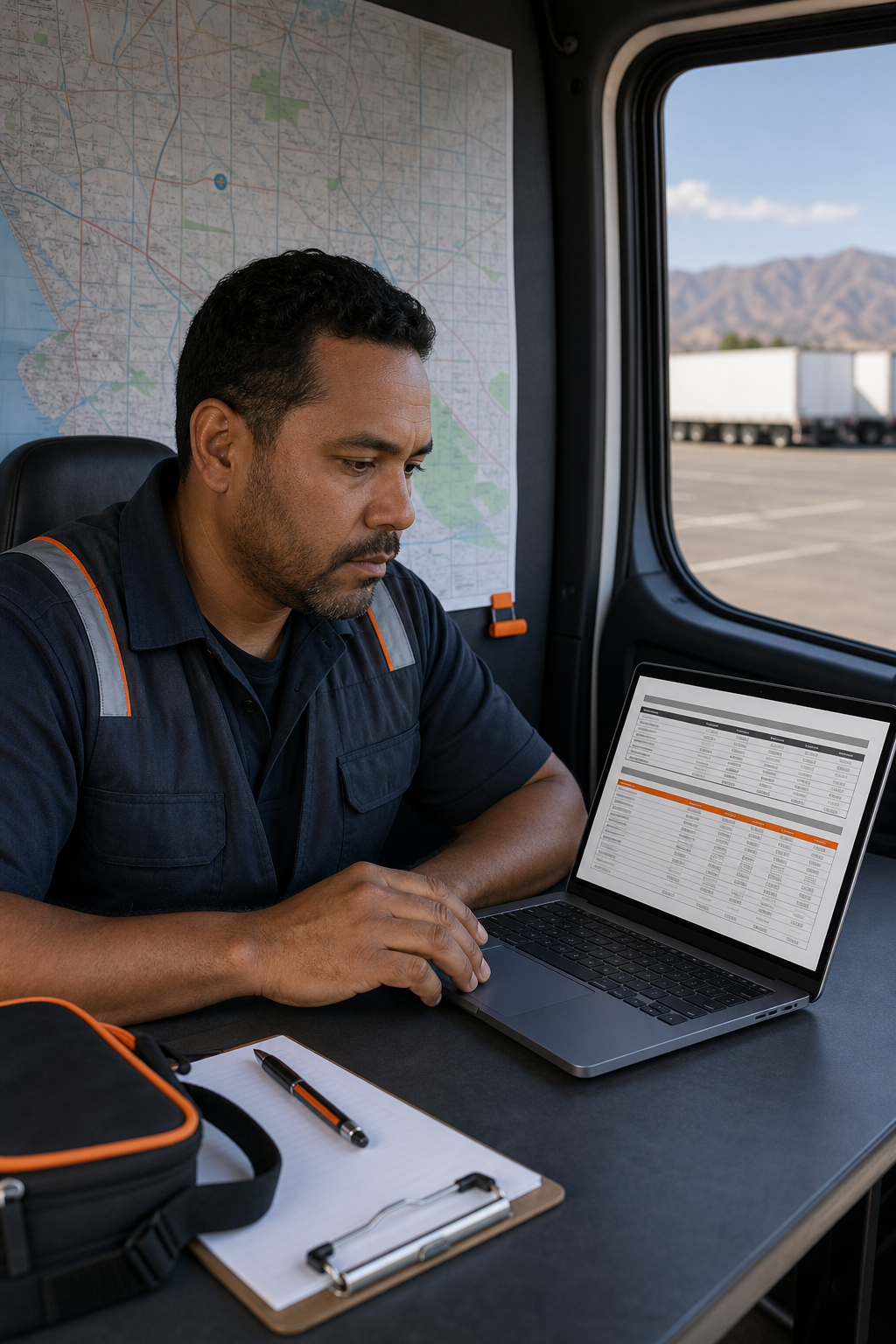
Drivers can request a quarterly statement that breaks down each component. Reviewing the statement lets you verify that the Regional Adjustment matches current market rates.
Tax Implications and Strategies to Maximize Your Allowance
The equipment allowance is taxable income, but you can offset a portion of it with vehicle‑related deductions. You may be able to write off depreciation, fuel, insurance, and repairs if you own the truck. If you lease, you can deduct lease payments as a business expense.
Keep meticulous logs of mileage, fuel receipts, and maintenance invoices. A good record‑keeping system lets you claim the maximum deduction when filing your 2026 return. Such “ordinary and necessary” expenses for a business vehicle are generally deductible.
Pay Structure, Bonuses, and Benefits for Inland Empire Drivers
FedEx linehaul pay combines a base hourly rate, mileage pay, the equipment allowance, and performance bonuses. In the Inland Empire the base hourly range is $22‑$28, plus mileage that is calculated per mile. Adding the equipment allowance, which varies, drivers can earn a competitive weekly total before bonuses.
Performance bonuses reward safety, on‑time delivery, and fuel efficiency. Drivers who stay under a set fuel‑use threshold can earn an extra performance bonus each month. Safety bonuses are available for drivers with zero violations over a quarter.
Benefits include health insurance, 401(k) matching, and paid time off. The allowance itself is considered part of your taxable earnings, but the extra bonuses are also taxed at the same rate.
The median annual wage for heavy‑and‑tractor‑truck drivers in California is comparable to the FedEx package when the allowance and bonuses are added in.
Conclusion
If you want a stable paycheck that includes a solid equipment allowance, join a FedEx contractor that respects the Inland Empire rates. Apply through CDL Jobs Inland Empire today and start earning the full allowance plus bonuses.